



Malta's economy continued to expand at a solid pace in recent months, with business activity remaining above its long-term average, inflation easing further, and government finances returning to surplus, according to the Central Bank of Malta's latest Economic Update.
The bank's Business Conditions Index edged slightly higher in May and continued to signal stronger-than-average economic activity, supported by robust tax revenue, inbound tourism and consumer confidence.
Manufacturing output rebounded strongly in April, rising by 7.3 per cent year-on-year after contracting in the previous month, while services production increased by 10 per cent in March, pointing to renewed momentum in a sector that had experienced more subdued growth last year. Retail trade also remained resilient.
Tourism continued to be a key driver of economic activity. Total tourist expenditure rose by 13.1 per cent in April compared with the same month last year, fuelled by higher visitor arrivals despite a decline in both average expenditure per tourist and average length of stay.
The bank also noted an improvement in Malta's merchandise trade balance during April, with exports increasing and imports declining compared with a year earlier, narrowing the country's trade deficit.
Consumer confidence strengthened significantly in May, with households becoming more optimistic about both their own financial situation and the wider economy over the coming year. However, business sentiment indicators are currently unavailable after the European Commission suspended business survey results for Malta and Estonia due to changes in partner institutes. Consumer confidence data remain available and have temporarily been incorporated into the Bank's Business Conditions Index methodology.
The property market also continued to show resilience. Commercial development permits increased compared with a year earlier, although residential activity softened, with both promise-of-sale agreements and final deeds declining in May.
On the labour market, the unemployment rate rose slightly to 3.6 per cent in April from 3.5 per cent in March and stood above the 3.0 per cent recorded a year earlier. Consumer expectations regarding unemployment also worsened in May, rising above their historical average for the first time in a year, although administrative data continued to show positive net employment growth.
Inflation continued to moderate. Malta's annual inflation rate, measured by the Harmonised Index of Consumer Prices (HICP), fell to 2.1 per cent in May from 2.5 per cent in April, remaining well below the euro area average. Core inflation, excluding food and energy, also eased to 2.3 per cent. According to the Bank, Malta's lower inflation partly reflects government measures that have kept domestic energy prices stable while energy inflation increased across the euro area. Retail Price Index inflation also declined, easing to 2.6 per cent in May.
Public finances showed further improvement. The Consolidated Fund recorded a surplus of €18.8 million in April, compared with a deficit of €21 million in the same month last year, as stronger government revenue outpaced higher expenditure. For the first four months of the year, the cumulative deficit narrowed substantially to €65.5 million from €261.4 million a year earlier.
Meanwhile, annual growth in Maltese residents' deposits slowed to 6.2 per cent in April from 7.5 per cent in March, while annual credit growth remained unchanged at 7.7 per cent. Lending continued to be driven primarily by loans to businesses outside government and households, with construction, real estate, accommodation and food services among the sectors recording the strongest credit growth.
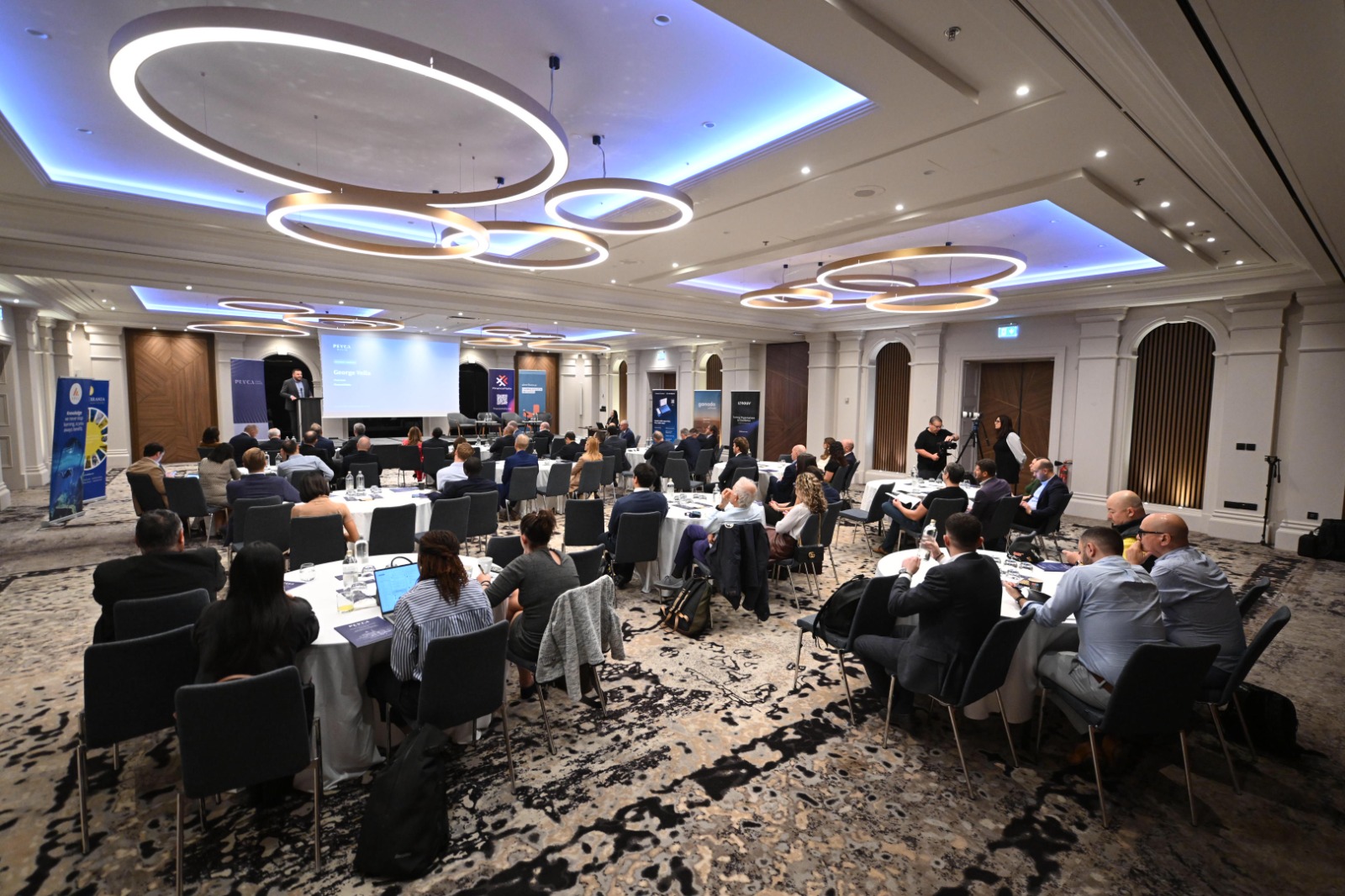
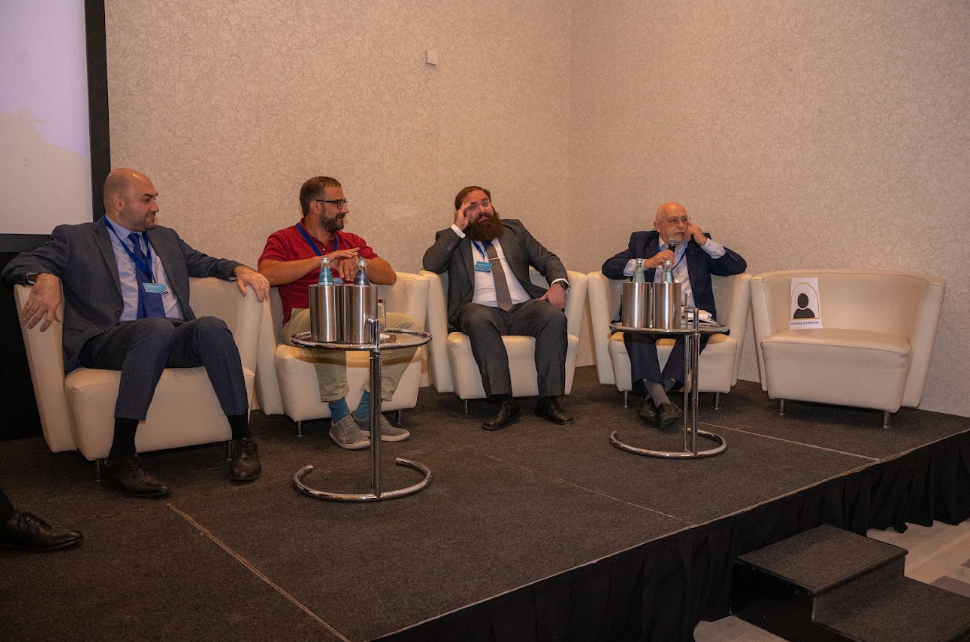
‘Businesses are making money, but at what cost?’ Malta’s tourism under the lens
Important questions were raised during FAA's national conference on Tuesday (today)

Planning Malta’s future, one shared map at a time
Ahead of the PA's annual conference, Joseph Gauci discusses integrated planning, 3D mapping and global insights for Malta’s future.
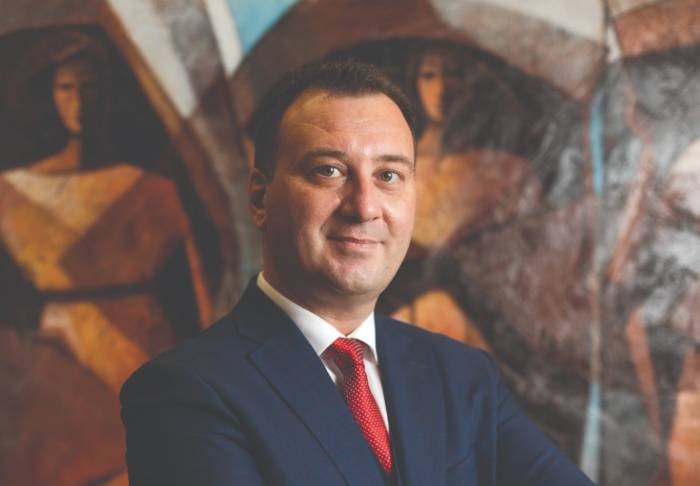
PA CEO resigns as director of his consultancy firm
The PA CEO remains the sole shareholder of the consultancy firm, under his legal name 'John Buttigieg'