



Malta’s foreign direct investment appeal has risen, but concerns about Malta’s skills shortage persist, the results of EY’s 2026 Attractiveness Survey Malta show.
81 per cent of foreign investors view Malta as attractive for foreign direct investment (FDI), a marginal increase over the 79 per cent in 2025.
The top driver of Malta’s FDI attractiveness was listed as the country’s telecommunications infrastructure, which overtook taxation for the number one spot. Corporate taxation now sits in the second highest-rated driver spot, followed by stability of social climate.
It means that telecoms is now a strategic asset for the country and is not only a utility, the report notes, “hence, the policy and capital agenda needs to also follow in 5G, edge computing, data centers and cybersecurity.” It also notes that tax remains a major draw for the country “but, in absolute and relative terms, it is no longer the differentiator.”
When asked how Malta compares with other European countries, 37 per cent of investors place it on par, 41 per cent see it as more or much more attractive, and 21 per cent see it as less or much less attractive.
The areas in the country identified by respondents that need improvement were transport and logistics infrastructure, the R&D and innovation environment, and labour costs.
In terms of the top concern for investors, the skills shortage continues to be viewed as the biggest risk to Malta’s attractiveness, flagged by 63 per cent of respondents, ahead of cost competitiveness and international tax reforms. In fact, elsewhere in the survey, 69 per cent of respondents said that investors cannot recruit the specialised skills they need locally.
“The majority of investors find Malta attractive primarily for entry-level talent compared with mid level and C-level. Quality of life, housing supply and visa processing speeds are repeatedly cited as the differentiators between Malta and competing European hubs,” the report notes.
Looking at future attractiveness, the survey found that short-term commitment is robust, however long-term horizons “soften under volatility.” 90 per cent of companies plan to maintain (around 59 per cent) or expand (31 per cent) operations in Malta over the coming 12 months. However only 60 per cent believe their long-term future is in Malta. 38 per cent were unable to commit to that horizon.
Digital sectors lead the way
In terms of the sectors leading long-term growth, respondents selected gaming (60 per cent), AI (59 per cent), tourism and leisure (58 per cent) as the top three.

As for the sector with the greatest long-term grown potential, 31 per cent of respondents, the highest amount, selected AI. This was followed by tourism and then by payments and fintech.
Gaming was selected by 22 per cent (the highest amount), as the sector with the greatest risk of decline. This was followed by “other manufacturing” and then, interestingly, tourism.
Respondents were also asked to identify the top priorities for Malta to remain globally competitive across the next decade. The majority, 20 per cent, highlighted education and skills, which is in line with the skills shortage issue respondents highlighted elsewhere in the survey. The second highest number of answers were given to developing new economic sectors, and infrastructure, transport and planning.
Geopolitical impact
82 per cent of respondents reported no change to their Malta investment plans as a result of current geopolitical conflicts. The dominant tone of open responses is: “No impact yet, but risks are building.”
But geopolitical tension was selected by 59 per cent as a trend they expect to accelerate fastest over the next three years. The top trend in this regard is the adoption of technology that automates manual human processes.

With regards to the trajectory of AI over the next 10 years, 58 per cent of investors expect AI to enhance productivity across sectors, maintaining Malta’s existing economic model. The remaining 29 per cent view the productivity effect of AI being limited only to high-tech sectors, the survey found. A small minority of 5 per cent reflects a negative sentiment toward AI.
In line with the skills shortage, access to specialised talent (35 per cent) remains the most significant barrier to AI adoption according to respondents. This is followed by business value (15 per cent) and resistance to change and high investment costs (both 14 per cent).
“The path forward is clear. The country has proven that it can attract and retain foreign investment. Malta’s next phase of competitiveness will depend on unlocking talent, strengthening infrastructure and ensuring that the country’s digital strength is matched by its capacity to support further growth,” the report notes.
Infrastructure planning capacity issues
The survey found that 44 per cent of investors describe Malta’s planning and preparedness for population growth as inadequate, and that 22 per cent rate it as adequate. “The sentiment here is simple: Investors observe that Malta’s growth is outpacing the available infrastructure.”
International trade outlook
The survey found that Malta’s international trade remains anchored in Europe. Just under half of investors currently trade with the region. It found that around 51 per cent plan to increase their exposure.
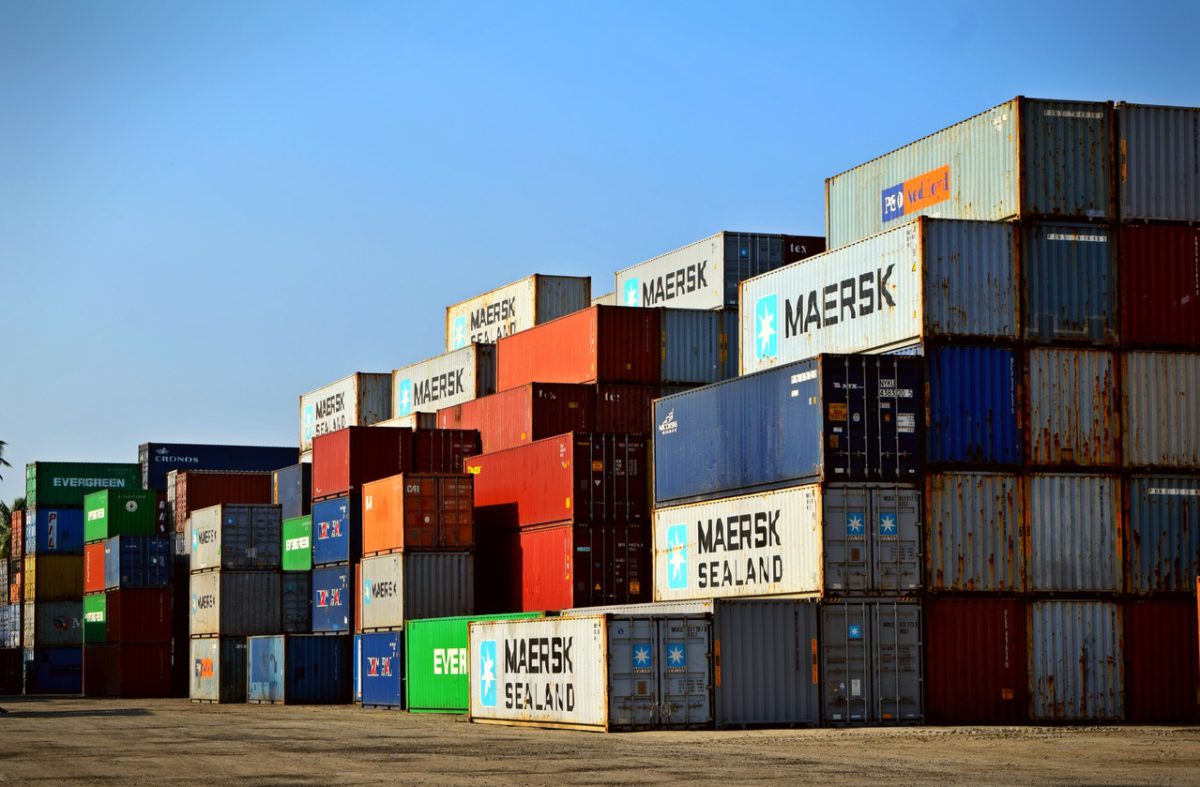
Looking beyond European shores, between 30 per cent and 35 per cent of companies plan to increase trade with the Middle East, North America, Asia, Africa and South America, while 20 per cent –30 per cent anticipate reducing exposure in some of these regions, the survey report reads.
Recommendations
The report puts forward a number of recommendations.
The first is for talent and productivity-led growth. “Make Malta the easiest place in Europe to start, scale and skill a high-growth company,” by focusing on an industry-led skills strategy, fast-tracking work permits, through diaspora retention, and AI, digital or green upskilling.
The second, is to adopt a national AI strategy and sandbox by creating an AI assurance hub, co-funding an AI centre of excellence to ease the 35 per cent AI talent barrier, and by aligning the EU AI Act implementation early.
The third, is t0 defend the new number one driver: telecoms, by investing in 5G, IoT, edge computing, data centres and cybersecurity.
The fourth is to treat physical capacity as a competitiveness lever, by focusing on mass transit, renewables, housing supply, public private partnerships.
The fifth, is to protect, strengthen and showcase Malta’s reputation in international markets through governance and transparency improvements, sustained institutional credibility, active marketing of stability to flight to-quality capital.
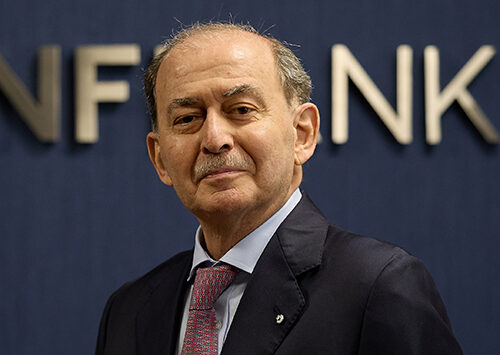
BNF Bank welcomes Izzat Nuseibeh as Chairman, reinforcing its long-term commitment to Malta
He brings more than four decades of international banking experience across corporate, private and institutional banking

Malta’s renewable energy share climbs to 18.8% in 2025, closer to 2030 target
In 2024, Malta’s renewable energy share stood at 17.2%

Demand for higher-speed internet, mobile data grows
Fixed internet subscriptions rose 2.5% year-on-year