



In July 2026, the annual rate of inflation as measured by the Retail Price Index (RPI) rose to 2.7 per cent, up from 2.5 per cent in June 2026.
The most significant drivers of inflation were housing (rising 6.8 per cent year-on-year) and furnishings and household equipment (rising 5.8 per cent year-on-year).
On the other hand, the lowest annual inflation rates were registered in clothing and footwear (-3.5 per cent) and water, electricity, gas and fuels (0.0 per cent).
The Food Index (+0.59 percentage points), the Housing Index (+0.54 percentage points), and the Furnishings and household equipment Index (+0.40 percentage points), recorded the largest upward contributions to the overall annual inflation rate. These were mainly due to higher prices of take-aways, tiles, and furniture respectively.
The Clothing and footwear Index (-0.23 percentage points) recorded a downward contribution to the overall annual inflation rate, mainly reflecting lower prices of garments.
The 2.7 per cent overall inflation registered by the RPI is far higher than the 2.1 per cent inflation registered by the Harmonised Index of Consumer Prices for the same month.
This is due to a difference in methodologies.
While both indices are compiled using a large and representative selection of around 550 different goods and services, The RPI captures private households only, whereas the HICP covers private households, institutional households (such as retirement homes) and foreign visitors to Malta. In addition, the two indices have different base years, and there are also differences in weightings and sets of codes for item groupings.
The Cost of Living Adjustment is calculated using the RPI.

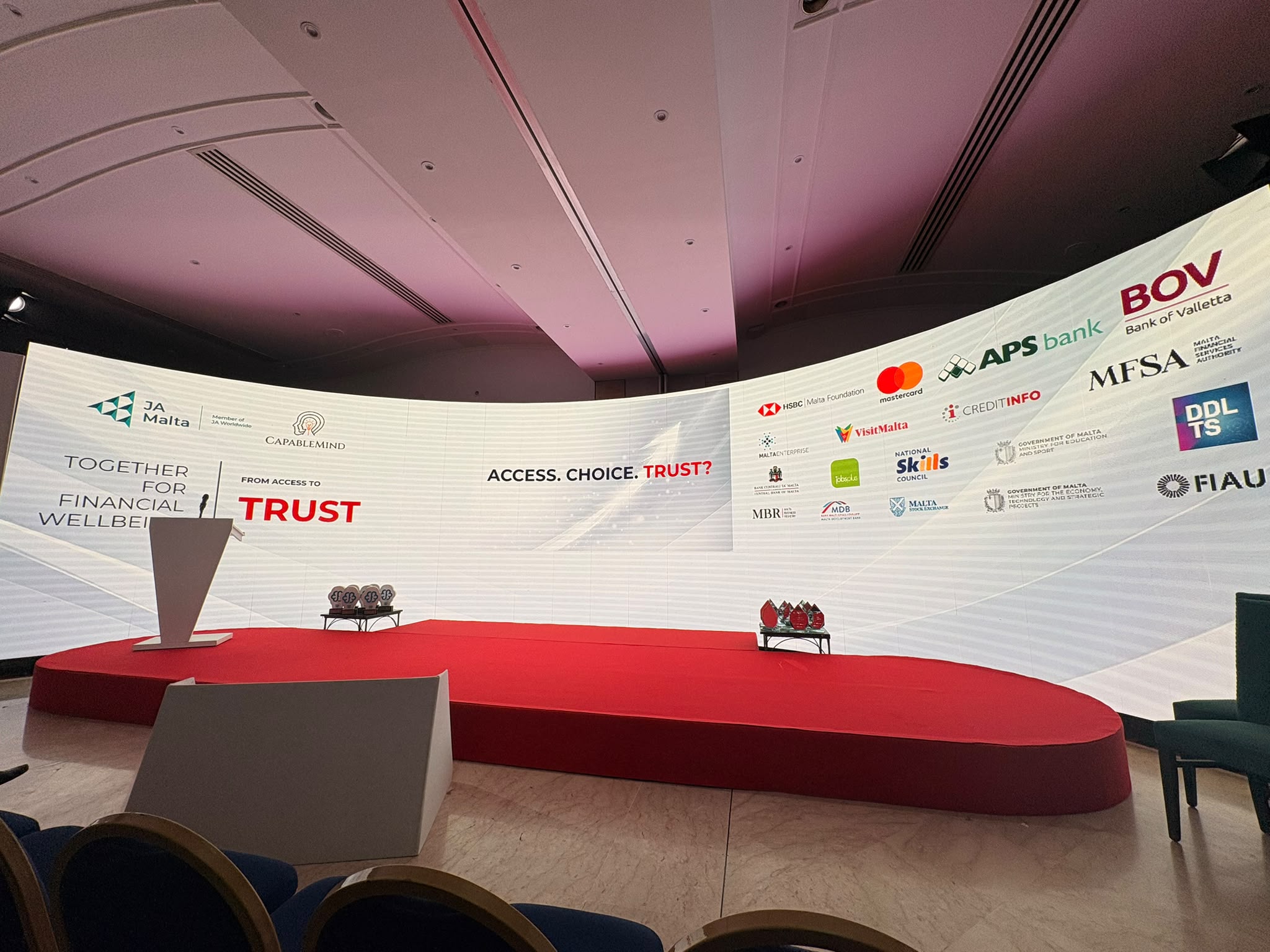
Financial knowledge alone is not enough to improve financial wellbeing, experts warn
Experts are discussing how financial education can be translated into better financial decisions

Tourism intensity climbs as Malta’s effective population tops 670,000 in August
During August 2025, St Julian’s tourism intensity reached 143 tourists per 100 residents

Millions in taxable income declared by 81 companies with no employees
Tax declared by US multinationals in Malta rose to €118 million in 2024, up from €24.7 million in 2020