


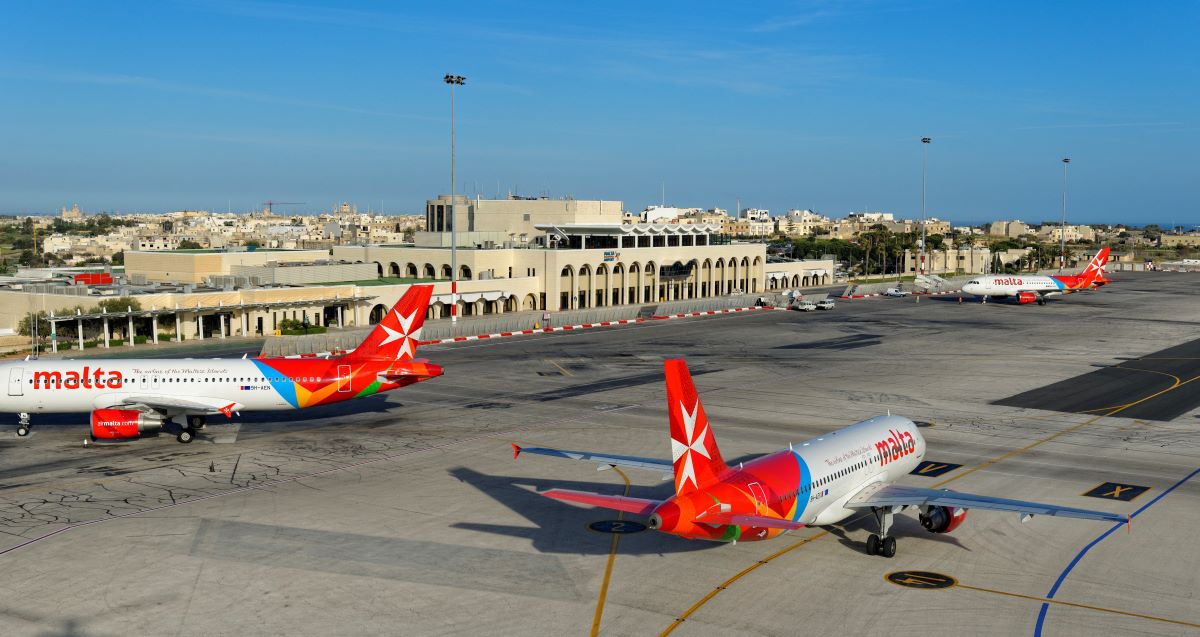
Air Malta, the national flag carrier, has announced that it will be leasing an additional aircraft to improve its services this summer.
Slated to operate between July and October of this year, the Airbus A320, wet leased from Getjet, is expected to facilitate extra services on markets including Madrid, Prague, Lyon, and charter services to Warsaw.
Speaking about this growth, Air Malta’s chief commercial officer, Roy Kinnear, said, “It’s encouraging to see air travel rebound strongly and demand from customers who have longed to travel again, rising sharply. During April and May we have carried over 267,000 guests across our 17 routes, achieving unprecedented seat load factors for both months.”
The airline’s executive chairman David G. Curmi added: “These increases are further good news to the local travel and tourism industries which have passed through challenging times over the past years. The record levels of seat load factor being experienced by our airline are expected to continue in the coming months and during this month (June) we are operating with at a network occupancy level greater than 90 per cent.”
He said that the additional capacity provided by the leased aircraft will help facilitate the increased demand for inbound tourism travel to Malta as well as boost travel opportunities to Maltese citizens wishing to travel overseas for holidays.
This summer, with this additional aircraft, the Maltese national airline will operate with eight Airbus aircraft, all based in Malta.

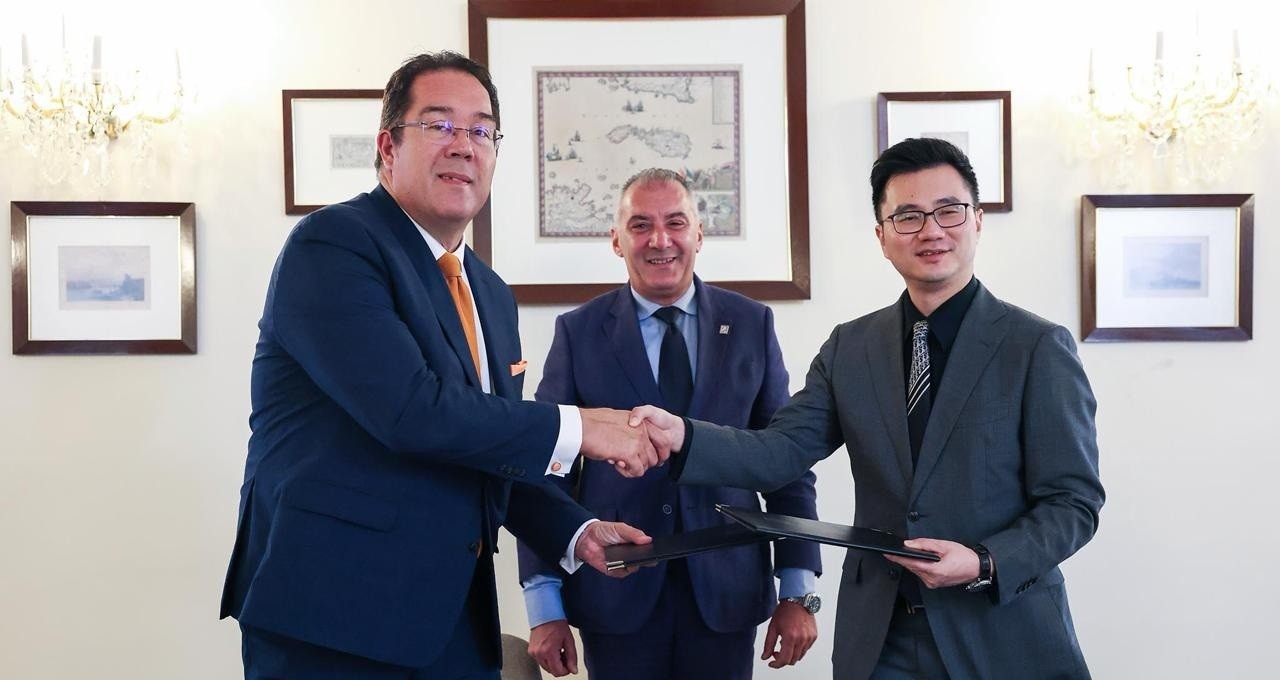
Malta looks to China and Asia to diversify tourism markets
The partnership aims to promote Malta, diversify its tourism offering and boost sustainability

Strong demand for Malta Government Stocks as offers reach €617 million
The Government had initially authorised an issue of €300 million

Employers call for ‘decisive’ shift in public spending ahead of Budget 2027
The upcoming Budget 'must be judged' on its capacity to deliver long-term transformation, not just sustain short-term consumption