


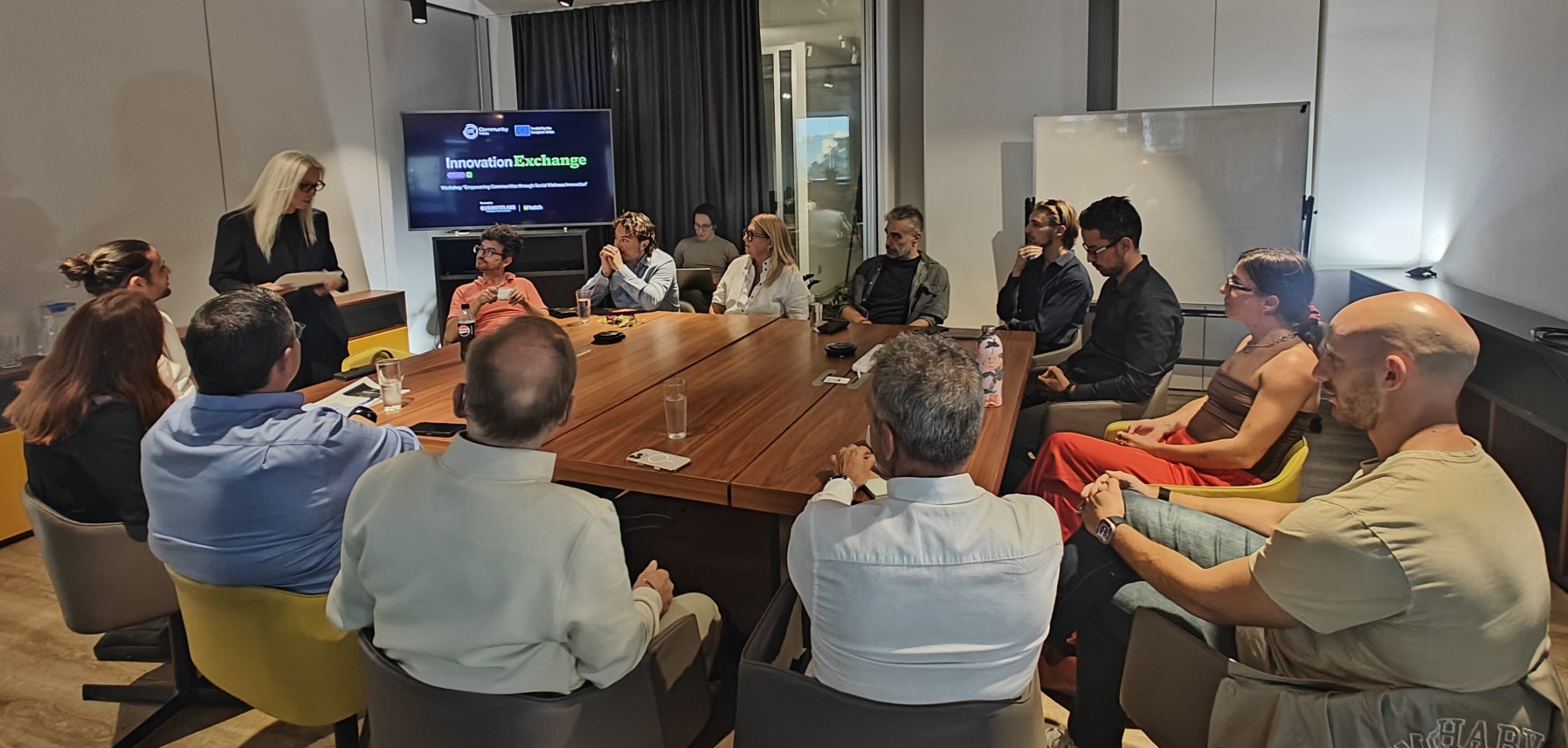
Inconsistent regulatory enforcement and excessive bureaucracy are among the key barriers hindering Malta’s innovation potential, according to participants in the Innovation Exchange workshops held throughout October.
The national initiative, organised by the EIT Community in Malta in collaboration with BusinessLabs, brought together over 45 innovators, entrepreneurs, and academics to discuss how Malta can strengthen its innovation ecosystem in line with the country’s Vision 2050 goals.
The workshops, held throughout October, explored three main themes: Smart Growth through Innovation, Innovating for a Greener Future, and Empowering Communities through Social Wellness Innovation. Each focused on different aspects of sustainable development across economic, environmental, and social dimensions.
Participants discussed both the progress made and the barriers that continue to affect innovation in Malta. Among the main challenges identified were a cautious business culture and resistance to change, which some participants said can limit bold, transformative innovation. There were also calls for more long-term planning in policymaking and corporate strategy to better support sustained investment in innovation, funding, and talent development.
A strong consensus emerged around the need for greater collaboration between academia, industry, and Government. Participants also pointed to regulatory inconsistencies and administrative burdens as obstacles that can discourage experimentation and the adoption of new technologies.
Despite these challenges, participants expressed optimism about Malta’s potential to strengthen its innovation landscape, noting a growing interest across several sectors. However, they emphasised the need for more effective structures and incentives that promote innovative thinking.
These findings are broadly in line with Malta’s position in the 2025 European Innovation Scoreboard, which classifies the country as a Moderate Innovator. While Malta performs well in non-R&D innovation expenditure, it continues to lag in research capacity, venture funding, and cross-sector collaboration.
According to Diana Miceli, EIT Community Hub Malta Officer, the Innovation Exchange is helping to address some of these gaps.
“The Innovation Exchange is helping EIT deliver on its mission to empower innovators and connect ecosystems across Europe,” she said. “By creating spaces for honest dialogue, collaboration and learning, we’re also supporting Malta’s Vision 2050 and ensuring innovation contributes to a smarter economy, greener environment and healthier communities.”
Insights from the workshops will contribute to the upcoming Innovation Exchange Conference, taking place on 14th November at Villa Arrigo. The event will gather policymakers, EIT representatives, business leaders, and entrepreneurs to discuss how Malta can build a more connected and resilient innovation ecosystem, strengthen its green transition, and advance social and health innovation.
The conference will also feature a presentation from the EIT Urban Mobility Hub, an innovation expo, and a networking session sponsored by Deep Tech Foundry. Stakeholders from all sectors are invited to participate. Registration is available here.
For more information, contact the EIT Community RIS Hub Malta at malta@eitcommunity.eu or visit the LinkedIn page EIT Community RIS Hub Malta.


Malta sees big jump in number of tourists in October with 17% increase in 2025
Around 417,103 people came and went in October alone

The Remarkable Collective and IST College partner to deliver a unified workforce solution
This will be a fully integrated workforce solution, combining recruitment, leadership development, and accredited safety training

‘Gozo expansion has always been on the cards’ – Darscover CEO
Joe Ellul Turner discusses how Darscover’s expansion into Gozo will bring data-driven innovation to the island’s property market