



The Malta Entertainment Industry and Arts Association (MEIA) has called for a more coordinated approach to Malta’s cultural and creative economy, proposing a package of measures focused on affordable workspaces, fair employment, sustainable financing and long-term sector development ahead of the Budget.
In its Pre-Budget Document 2027, titled Spaces. Systems. Structures. A Call to Take Responsibility for How Culture Is Made, MEIA argues that the next stage of cultural policy should move beyond individual funding measures and address the wider conditions needed for creative businesses, organisations and professionals to develop and remain sustainable.
Six priorities for Budget 2027
MEIA is calling for public, private and community properties to be activated as affordable creative hubs across Malta and Gozo, alongside the development of a 10-year National Cultural Infrastructure Strategy.
It is also proposing a National Events and Night-time Economy Strategy to establish a coordinated framework for events and festivals while supporting year-round and grassroots cultural activity.
Another key proposal is a Basic Income for Artists pilot in 2027. MEIA says the scheme should be time-limited, provide regular income to eligible professional artists and cultural practitioners, and include published eligibility criteria and independent evaluation.
The association is further proposing a capped 25% cultural production rebate on eligible local production expenditure. The proposed scheme would be subject to pre-approval and a published annual funding ceiling.
A National Cultural Match Fund is also being proposed, under which eligible private donations, philanthropic contributions and sponsorship would be matched euro-for-euro. MEIA has suggested an initial annual allocation of €1 million.
The sixth priority focuses on fair work. MEIA wants public funding and commissioning to incorporate standards covering contracts, remuneration, preparation time, payment schedules, cancellations, workplace safety, credits and intellectual-property rights, alongside funding levels that it says should reflect these requirements.
Beyond the six priority measures, MEIA's document sets out recommendations across nine areas, including organisational stability, production and enterprise support, international market access, workforce and digital skills, cultural data and the night-time economy.
MEIA President Maria Galea said the sector now needs to build on foundations established in recent years by connecting existing measures and addressing structural challenges.
“Budget 2027 is an opportunity to invest not only in what culture produces today, but in the spaces, systems and structures that allow artists, creative professionals and organisations to build viable futures,” she said.
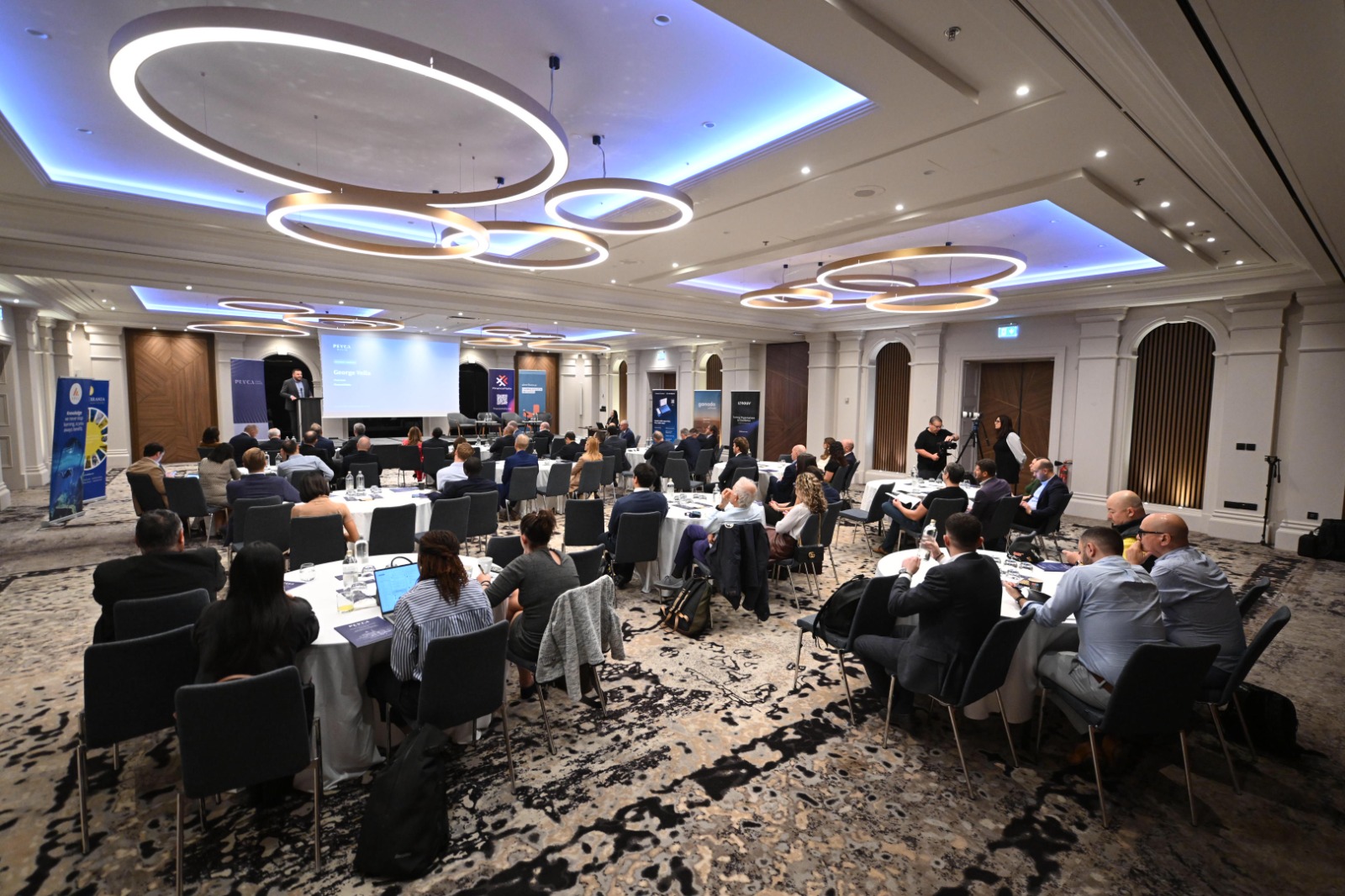
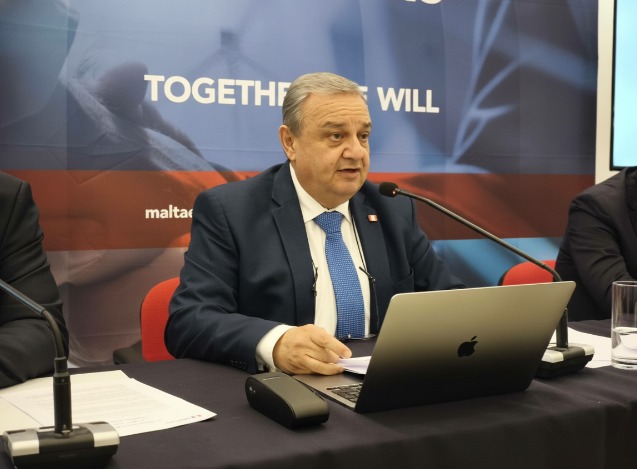
Education system ‘stifles creativity’, Malta Employers’ chief says as association calls for ‘transformation’
Association's Director General says system is geared towards conformity

MFSA flags missing information in pension statements
Some pension statements omitted key details on investments, fees, contributions and account changes
Budget should support sustainable economic growth, promote financial stability – BOV
Maintaining a stable and predictable business environment, encouraging investment in productivity remain important, it said