



Men are nearly five times more likely than women to be mentioned in Malta’s business and finance news, according to a new data-driven study by the University of Malta’s DIMAS project, which analysed media coverage between January 2023 and December 2025.
The study reviewed 73,348 articles across major Maltese news portals, examining references to 283,493 individuals. Overall, 71.3 per cent of mentions were of men, compared to just 23.6 per cent for women, with 5.1 per cent unclassified.
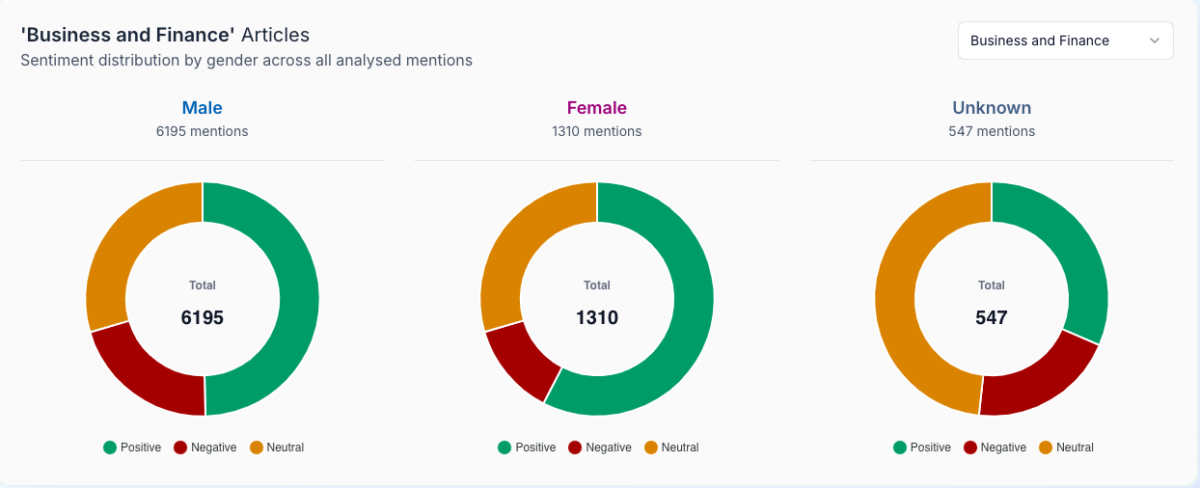
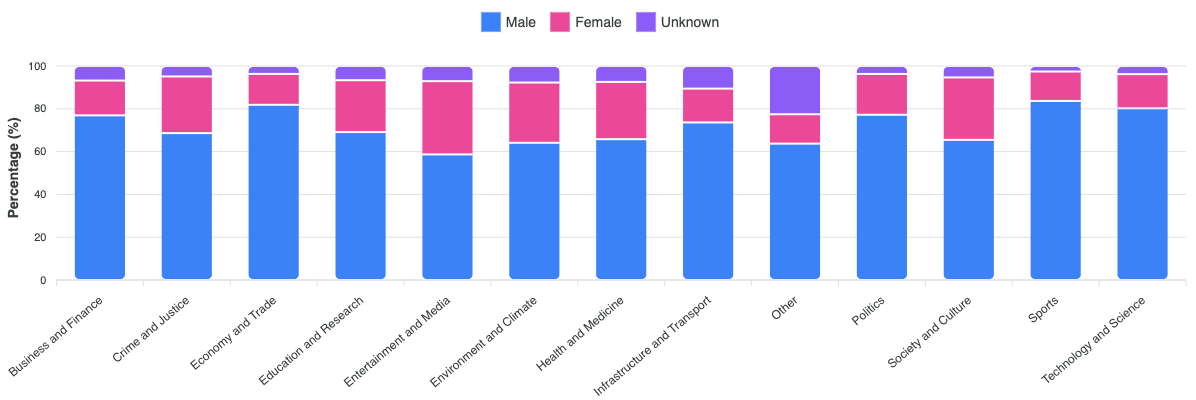
The disparity is particularly stark in business and finance reporting. Women accounted for just 16 per cent of mentions across 1,310 articles, while men dominated with 77 per cent, appearing in 6,195 articles. The findings point to a structural imbalance in how economic narratives are constructed and whose voices are amplified.
Led by Dr Dylan Seychell at the Department of Artificial Intelligence, the research analysed content from outlets including Times of Malta, MaltaToday, Newsbook, The Shift News, Lovin Malta, and MaltaDaily.
Across all sectors, there was no category in which women were mentioned more than men. The closest gap was recorded in entertainment and media, where women made up 34 per cent of mentions (7,903 articles), compared to 59 per cent for men (13,549 articles). Women were least represented in economy and trade, as well as infrastructure and transport.
Among individual platforms, The Shift News recorded the lowest share of female mentions at 18 per cent, with men accounting for 79 per cent, reflecting its focus on investigative reporting in male-dominated sectors such as politics and governance. Meanwhile, MaltaDaily showed the most balanced distribution, with women representing 28 per cent of mentions compared to 67 per cent for men, likely due to its emphasis on lifestyle and soft news.
Despite lower visibility, women were more likely to be portrayed positively when they did appear. Female figures were associated with positive coverage in 57.6 per cent of cases, compared to 49.6 per cent for men, suggesting a more favourable tone but not greater representation.
The DIMAS platform, supported by Xjenza Malta and the Digital Technologies Programme, brings together projects focused on analysing media content and improving public understanding of news consumption patterns. One such initiative, the AI-Driven Media Representation Analysis for Social Equity (AIRAS) project, developed the AI-powered tools presented. The team includes researchers such as Jonathan Attard, Joseph Grech, and UX/UI designer Olga Sater.
The findings reflect a wider global trend in gender bias, while the Maltese data further highlights how entrenched these disparities remain locally. Efforts such as gender quotas in boardrooms and in Parliament have yet to significantly shift representation, particularly in sectors where men continue to dominate leadership and decision-making roles.
One unsurprising fact remains: In Malta’s media landscape, men continue to shape the narrative far more than women.
Tourist spending hits €1.21 billion in Malta in second quarter of 2026
The average length of stay per tourist dropped from six nights in 2025 to 5.5 nights this year

Revolut won’t disclose number of data breach victims in Malta, but there is at least one
Hackers obtained files by compromising an Italian government email system
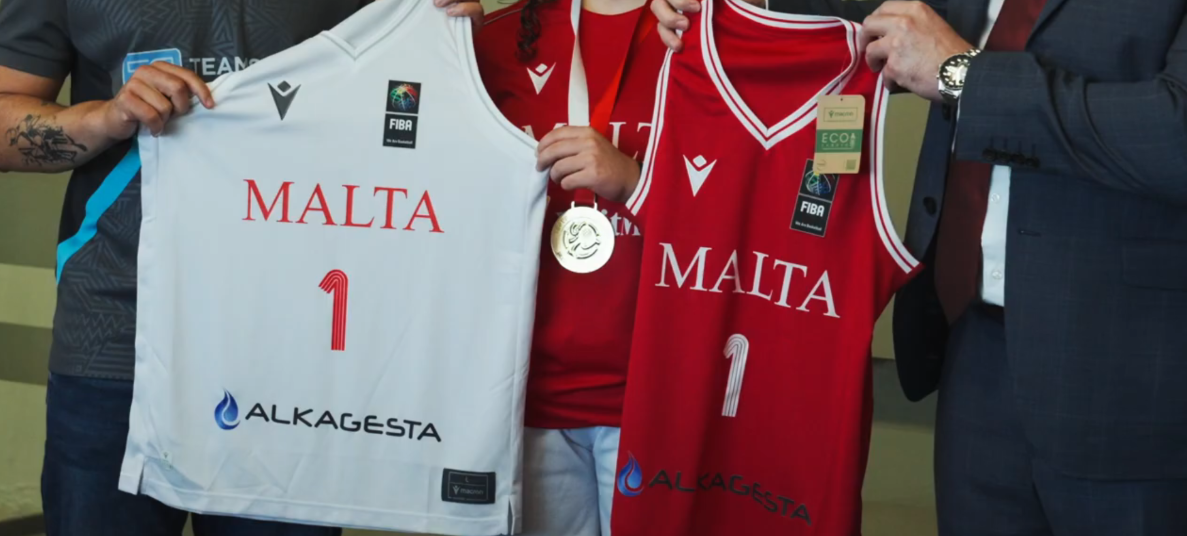
Alkagesta hosts Malta U16 women’s basketball champions at Malta office
The Maltese team won with a score of 76-51