


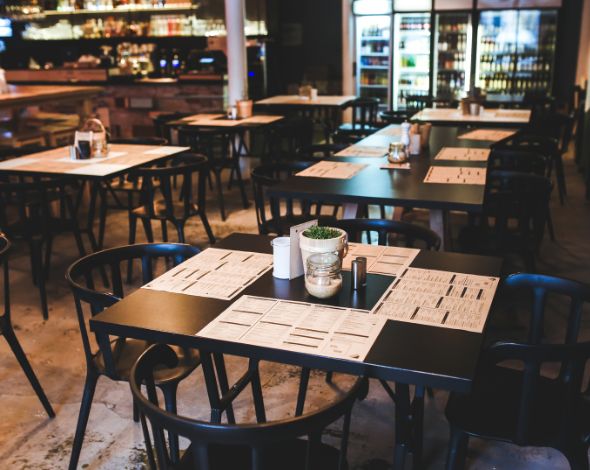
A new survey of Malta’s catering industry paints a cautious picture of the sector.
The Q2 2026 survey carried out for the Association of Catering Establishments (ACE), found that 49 per cent of respondents reported lower profitability between January and June 2026 compared with the corresponding period of 2025. Only 25 per cent reported an improvement in profitability, while 26 per cent said there had been no change.
Sales were somewhat more resilient. Some 41 per cent of establishments reported lower sales during the first half of the year, against 32 per cent that recorded growth and 27 per cent that reported no change.
The gap between sales and profitability suggests that businesses are increasingly struggling to convert turnover into profit as their costs rise. The report itself notes that profits weakened more than sales during the period.
Businesses cautious about rest of 2026
Only 30 per cent of catering establishments expect their revenue to increase between July and December 2026 compared with the same period last year. Meanwhile, 30 per cent expect revenue to be lower and another 19 per cent anticipate no change.
A further 21 per cent were unable to provide a forecast. Among those expecting growth, 22 per cent of all respondents forecast an increase of between one and five per cent, while six per cent anticipated growth of between six and 10 per cent. Only a small minority expected stronger increases.
The survey also indicates that expansion within the catering industry has been limited. Some 81 per cent of respondents said the number of outlets they operate had remained unchanged over the past three years, compared with 14 per cent that expanded and five per cent that reduced their footprint.
There are also signs of some acquisition interest. Around 19 per cent of respondents said they had been approached by another party regarding a potential acquisition during the previous year, although only eight per cent said they had actively sought a buyer for their business.
Staffing emerges as biggest challenge
When respondents were asked to identify their top three challenges in the day-to-day running of their business, they included workforce issues, operating costs, infrastructure, demand and tourism, taxation, competition and operational management.
Some 48 per cent of participants referenced workforce-related problems.
Recruitment and staff quality dominated those concerns, being cited by 120 respondents. Staff retention and turnover were mentioned 11 times, while issues surrounding work permits and registration were cited nine times.
Rising costs squeeze margins
Operating and input costs were the second most widespread challenge, cited by 36 per cent of participants.
General operating-cost inflation and margin pressure accounted for 51 responses, followed by rent, utilities and recurring overheads with 21. Food, ingredient and supplier prices were mentioned 16 times, while wages and labour costs received 15 mentions.
Traffic, parking and utilities also affecting operators
Traffic and congestion affects everyone. One in five respondents cited infrastructure and public services among their challenges.
Parking and traffic were the most frequently mentioned issues within this category, with 23 responses, closely followed by power and water reliability with 21. Roadworks and accessibility attracted nine mentions, while waste and area cleanliness accounted for six.
How much customers are spending
Demand and tourism were cited as challenges by 15 per cent of respondents, with customer spending accounting for 29 responses.
Tourism dependence and seasonality were cited 10 times, while booking cancellations and no-shows received three mentions.
Half of respondents said their typical average customer spend stood between €15 and €29 per person, while another 16 per cent reported an average spend below €15. Some 21 per cent fell within the €30-€49 bracket, 11 per cent between €50 and €74, and only two per cent reported a typical spend of €75 or more.
VAT and taxation
Taxation also featured prominently in operators' responses. Some 11 per cent of participants referenced taxation and regulatory issues, with 31 respondents specifically citing taxes and VAT as a main challenge.
According to the report, the perceived financial burden of VAT and taxation was the third most frequently cited individual subcategory after staffing and cost-related concerns.
The survey also provides a snapshot of the businesses making up Malta's catering sector. Nine in 10 respondents were locally owned, while 76 per cent operated a single establishment. Gozo accounted for 14 per cent of the reported locations, followed by Valletta at 10 per cent and St Julian's at nine per cent.
Casual dining establishments dominated the sample, accounting for 66 per cent of respondents. Fine dining represented 13 per cent, cafés and snack bars 11 per cent and takeaway or delivery businesses three per cent.
Many of the businesses surveyed are also well established. The median establishment had been operating for 11 years, while 57 per cent had been in operation for at least a decade and 29 per cent for at least 20 years.
The median respondent also reported an even 50-50 split between local and tourist customers, while repeat or loyalty customers represented a median 40 per cent of the customer base.
The findings come from a survey of 289 respondents representing more than 450 catering outlets across Malta. More than 1,200 establishments were invited to participate between 4th and 31st August, from an estimated population of around 4,000 active catering establishments. The survey has a stated 95 per cent confidence level and a margin of error of approximately ±5.5 percentage points.

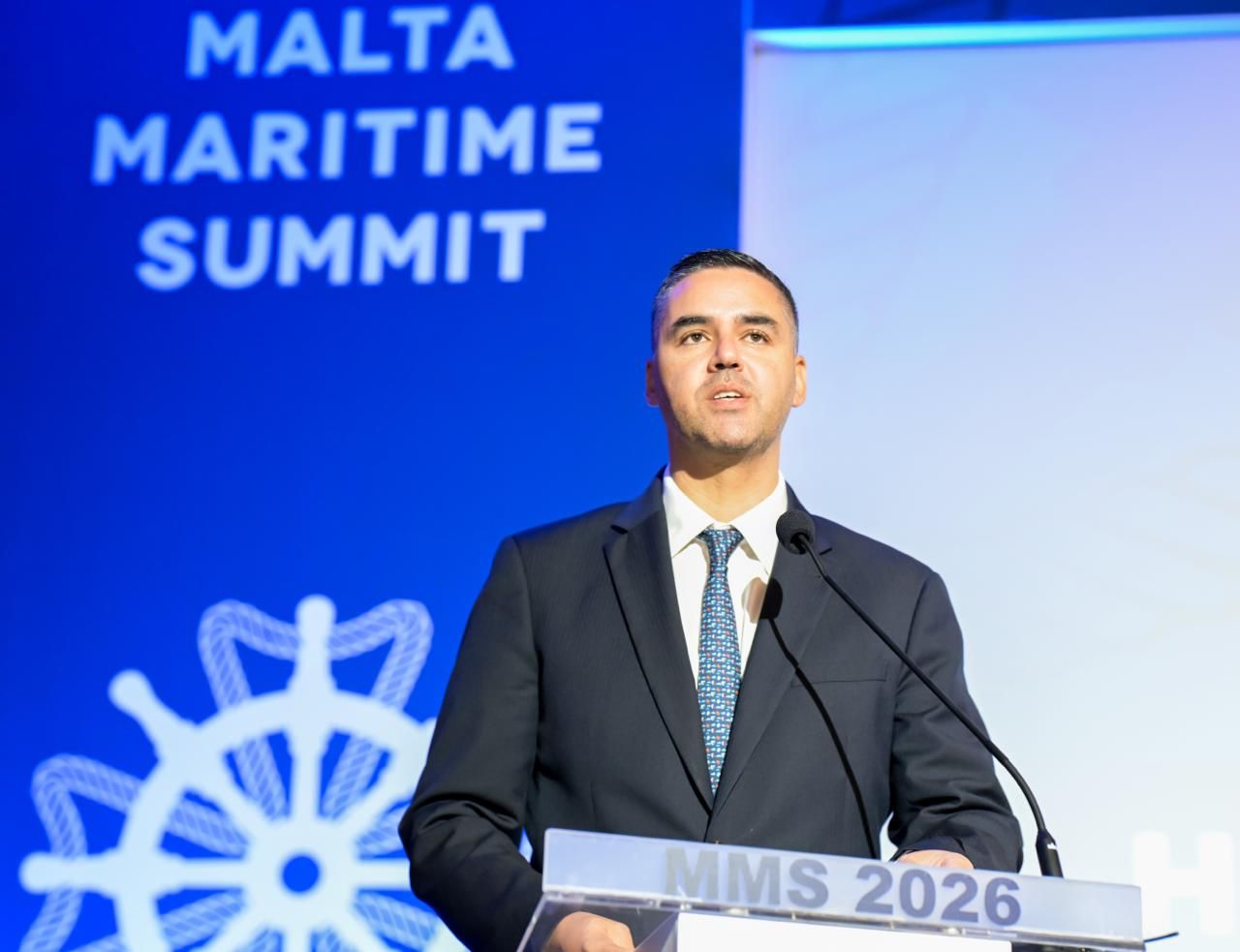
Malta Maritime Summit puts geopolitical risks, regulation and decarbonisation in focus
The summit brings together maritime industry representatives, international experts and global institutions to discuss challenges and opportunities
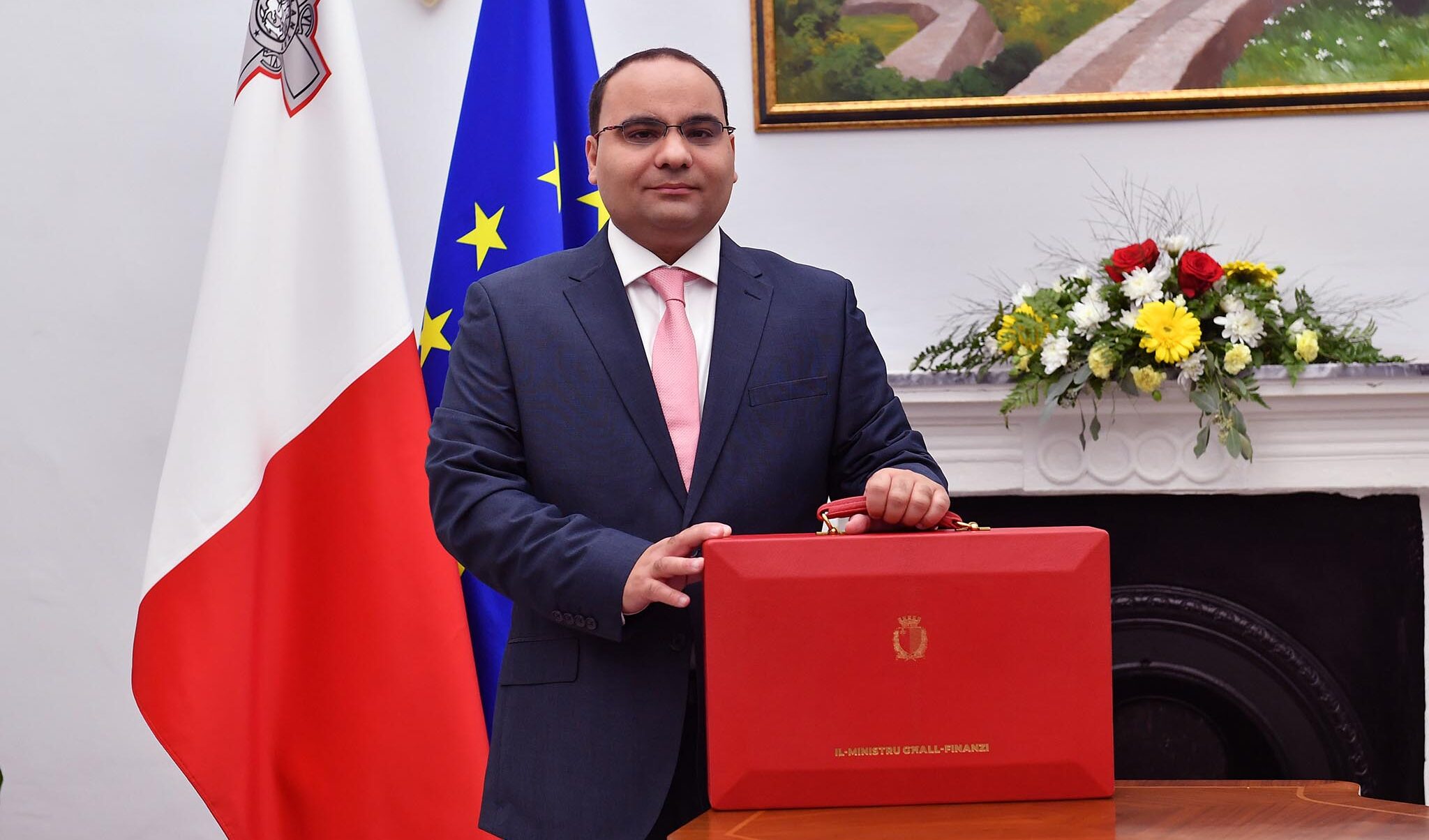
2027 COLA expected at around €5, says Finance Minister
The figure is expected to become clearer once the latest Retail Price Index data is available
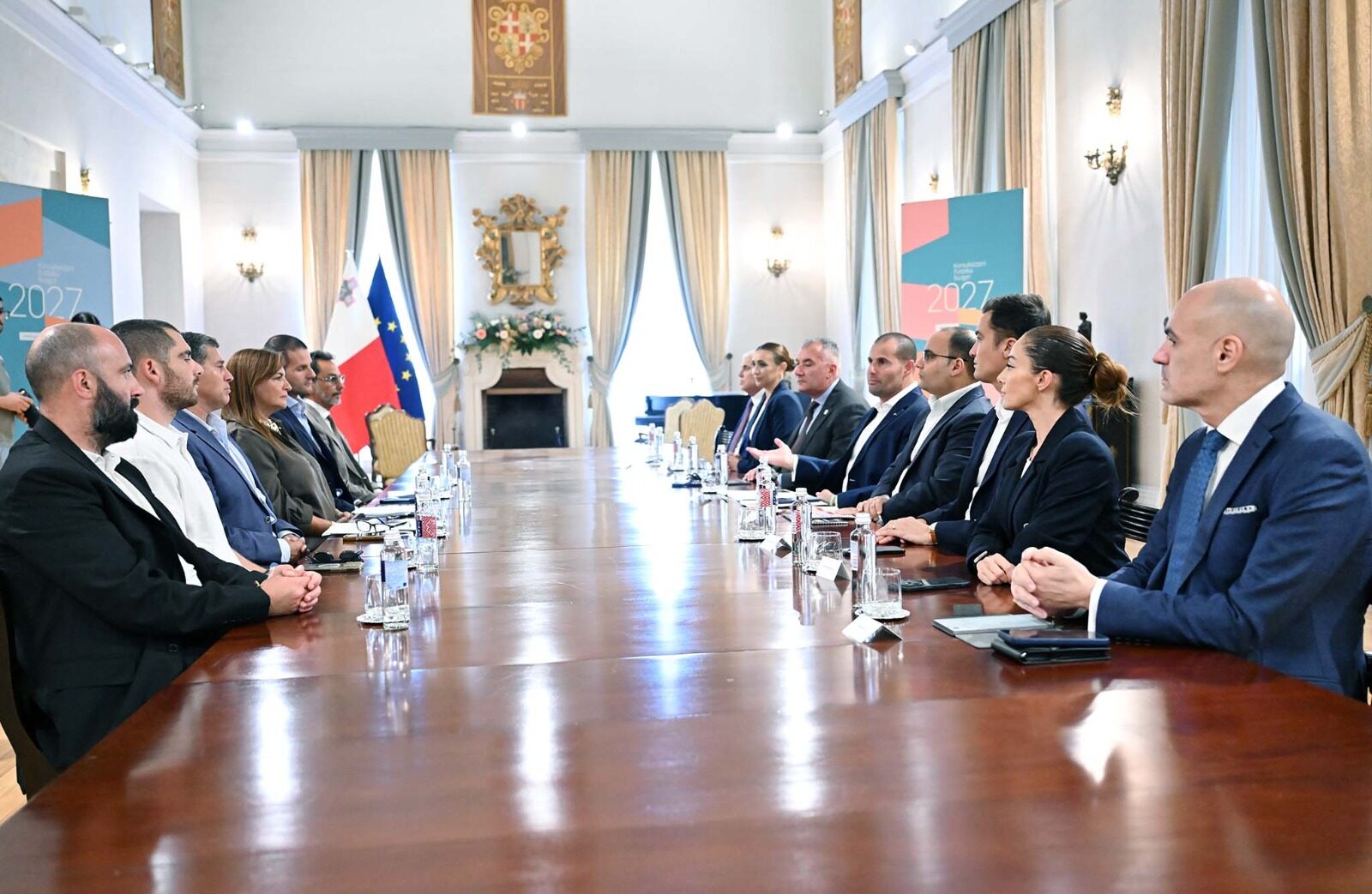
Malta’s tourism success should not be measured by arrivals alone – Robert Abela
The Prime Minister wants s a model increasingly based on quality, value and sustainability