


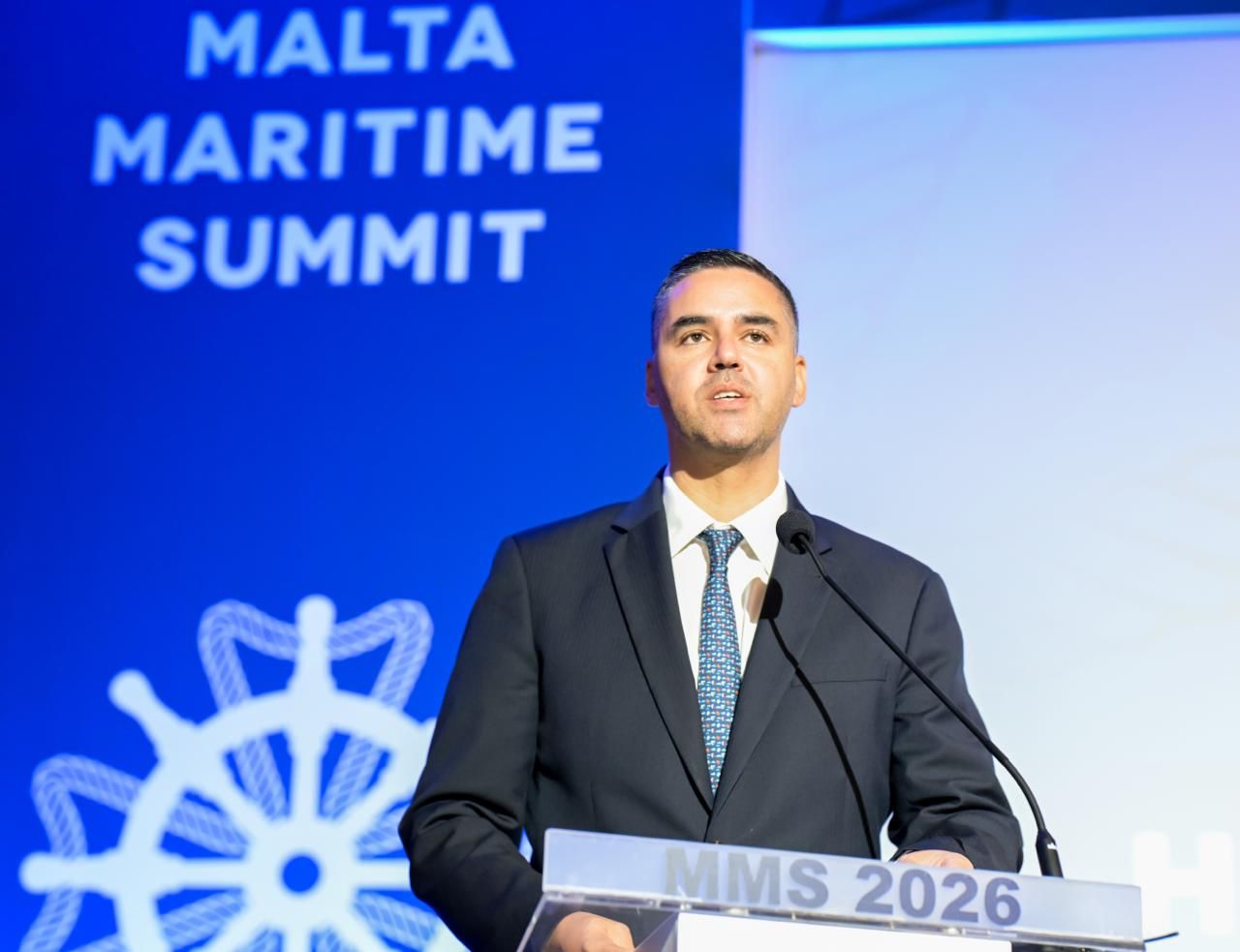
Malta’s maritime industry is facing growing pressure from geopolitical instability, changing trade routes and the cost of decarbonisation, as industry leaders gather on the island for the 10th edition of the Malta Maritime Summit.
The summit brings together maritime industry representatives, international experts and global institutions to discuss challenges and opportunities ranging from sustainability and the blue economy to digitalisation, maritime law, security, tourism and finance.
Lately geopolitical conflicts have been affecting trade routes and seafarer security, while operators face an evolving regulatory landscape and pressure to reduce emissions.
Sustainable Mobility Minister Chris Bonett said maritime resilience can no longer be viewed solely in terms of port infrastructure and efficient supply chains.
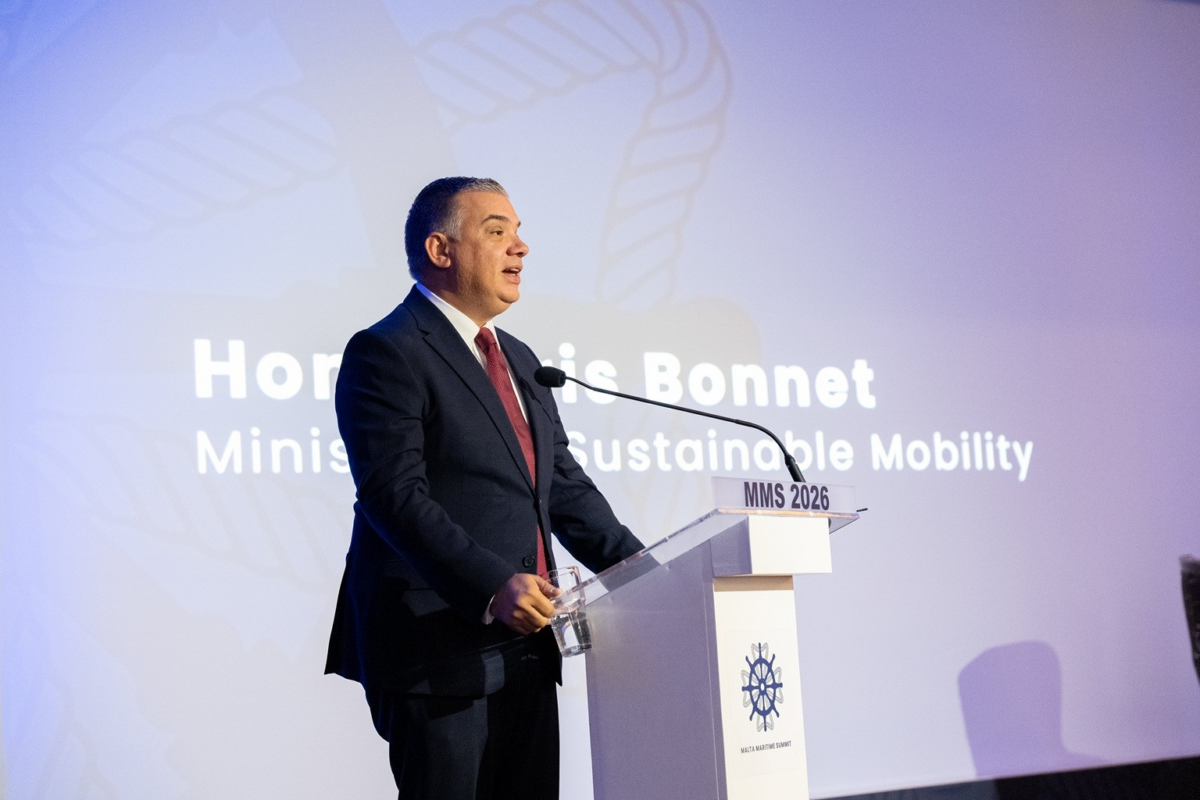
“The question is no longer whether geopolitics affects shipping. The question is how we prevent geopolitics from breaking the maritime system on which global trade depends,” he said.
He called for greater international cooperation and highlighted the role of the International Maritime Organization (IMO) in establishing clear and consistent rules for the global shipping industry.
According to the minister, regulatory fragmentation risks increasing uncertainty and costs for maritime operators.
Decarbonisation was also highlighted as a major issue facing the sector. Malta supports efforts to make shipping cleaner, Bonett said, but new rules need to be accompanied by standards that can realistically be implemented by the industry.
He argued that regulatory certainty is needed to encourage investment in cleaner vessels, fuels and port infrastructure.
For Malta, maritime connectivity also carries particular economic and strategic importance due to the country's reliance on shipping for essential supplies, including food and medicines.
Deputy Prime Minister Ian Borg, meanwhile, highlighted Malta's position within the international maritime industry, noting that the country has the largest ship register in Europe and the sixth largest globally.
He said Malta hosting the Maritime Summit alongside the World Travel & Tourism Council (WTTC) Summit this week placed the country at the centre of international discussions involving the maritime, tourism and transport sectors.
The maritime industry remains an important part of the Maltese economy, supporting employment and businesses across a range of related industries while providing the island with access to international markets.
2027 COLA expected at around €5, says Finance Minister
The figure is expected to become clearer once the latest Retail Price Index data is available
Malta’s tourism success should not be measured by arrivals alone – Robert Abela
The Prime Minister wants s a model increasingly based on quality, value and sustainability
Pushy insurance salesmen exposed in MFSA mystery shopping exercise
The exercise involved 17 mystery shopping interactions and covered insurance intermediaries