


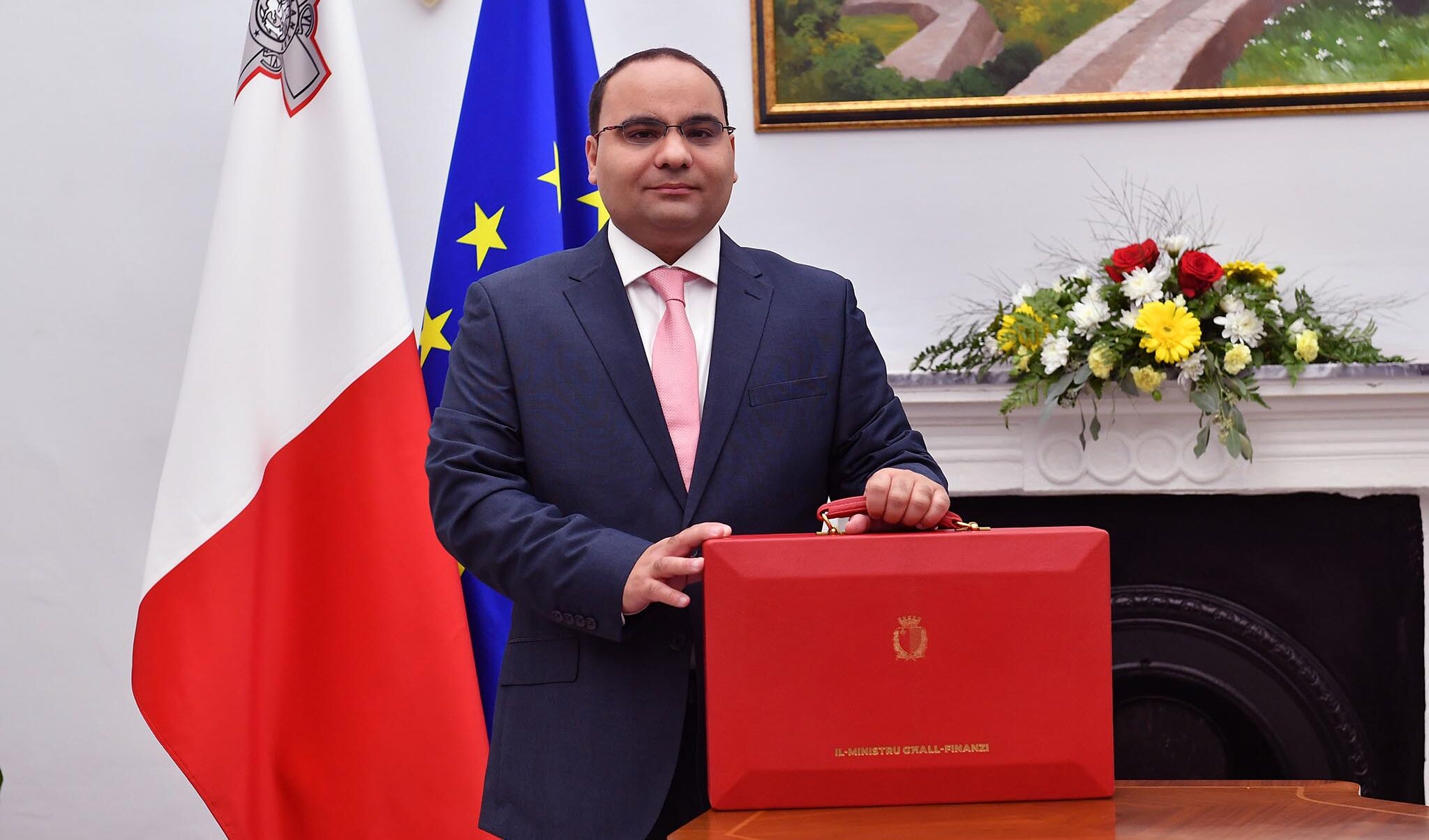
Finance Minister Clyde Caruana indicated on Tuesday that next year’s COLA is likely to be around the €5 mark, although the final figure has yet to be determined.
He revealed this during a live pre-budget business breakfast hosted by Times of Malta.
The figure is expected to become clearer once the latest Retail Price Index data is available.
The final COLA figure is expected to be announced as part of Budget 2027 on 26th October.
If confirmed at around €5, the adjustment would be broadly in line with the levels seen over the past two years. COLA stood at €4.66 per week for 2026, down from €5.24 in 2025. This followed a period of substantially higher adjustments as inflation accelerated, with COLA reaching €12.81 per week in 2024, and €9.90 in 2023.
The adjustment is intended to compensate workers for increases in the cost of living and is paid by employers as part of employees’ wages.
Comments on social media appear displeased with the increase, with many saying that €5 is not enough and does not reflect the increased prices of essential items. One social media user wrote “you spend a minimum of €5 every day for one carton of milk, one whole bread, and 200 grams of ham.”
A few days ago, the General Workers’ Union (GWU) had called for changes to the way COLA is distributed, calling for COLA payments to be distributed twice annually, in January and June. The proposal is intended to allow workers to receive compensation for increases in the cost of living more quickly.


What is driving cost expectations higher among Maltese businesses?
Labour shortages and geopolitical tensions fuel expectations of further cost increases among Maltese businesses

Businesses report slower improvement in operating conditions
The Central Bank’s latest Business Dialogue found that most surveyed firms reported stable or improving conditions

MCA at 25: taking the lead on the European stage
Robert Mifsud explains how a small regulator can still make its voice heard where the big decisions are taken