


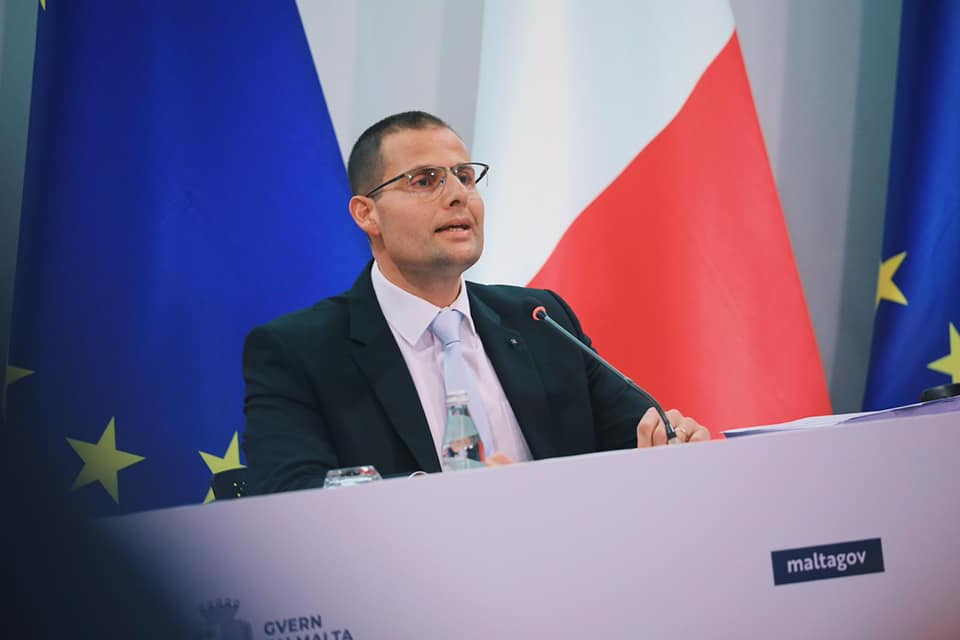
The Government will present its budget for 2021-2022 on 11th October, Prime Minister Robert Abela has confirmed.
Speaking during a radio interview with the Labour Party's ONE outlet, Dr Abela said that the Government is working hard on the budget and that it will be released on October 11th.
He also trumpeted the successes of the Government's financial management and 'mini-budget' during the pandemic, hailing the spending of some €900 million to support businesses and families during the period as "money well spent".
The Prime Minister also emphasised the Government's record on unemployment, which remains extremely low – even as local businesses have declared a labour crisis, with a major staff shortage impacting Malta's lucrative hospitality sector particularly badly.
Dr Abela aimed to contrast the Government's handling of the economy during the COVID crisis to that of the National Party during the 2008 economic crash, suggesting that the opposition would have introduced austerity measures.
"Had the PN been in Government during the pandemic, the country would have been subjected to a direction of austerity", he said.
The budget comes as the Government has been advised to taper its COVID aid spending.
A team from the International Monetary Fund (IMF) is said to have met with officials and local regulators earlier this month to discuss the country's increased public spending during the pandemic and the need to avoid 'cliff effects' caused by withdrawn support.
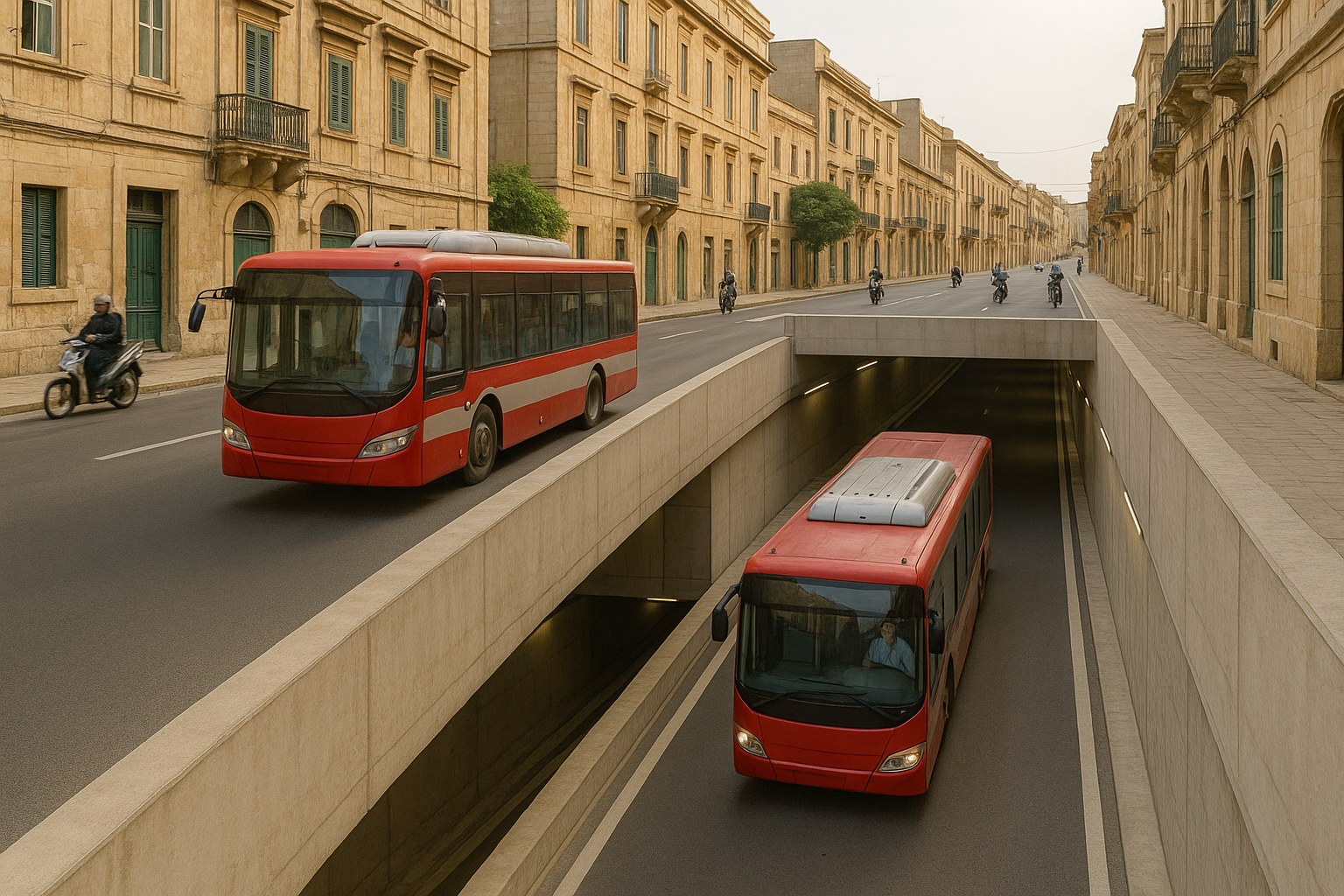
Perit proposes underground transport network to tackle traffic, flooding and lack of open spaces
He calls the project 'A Second Malta'
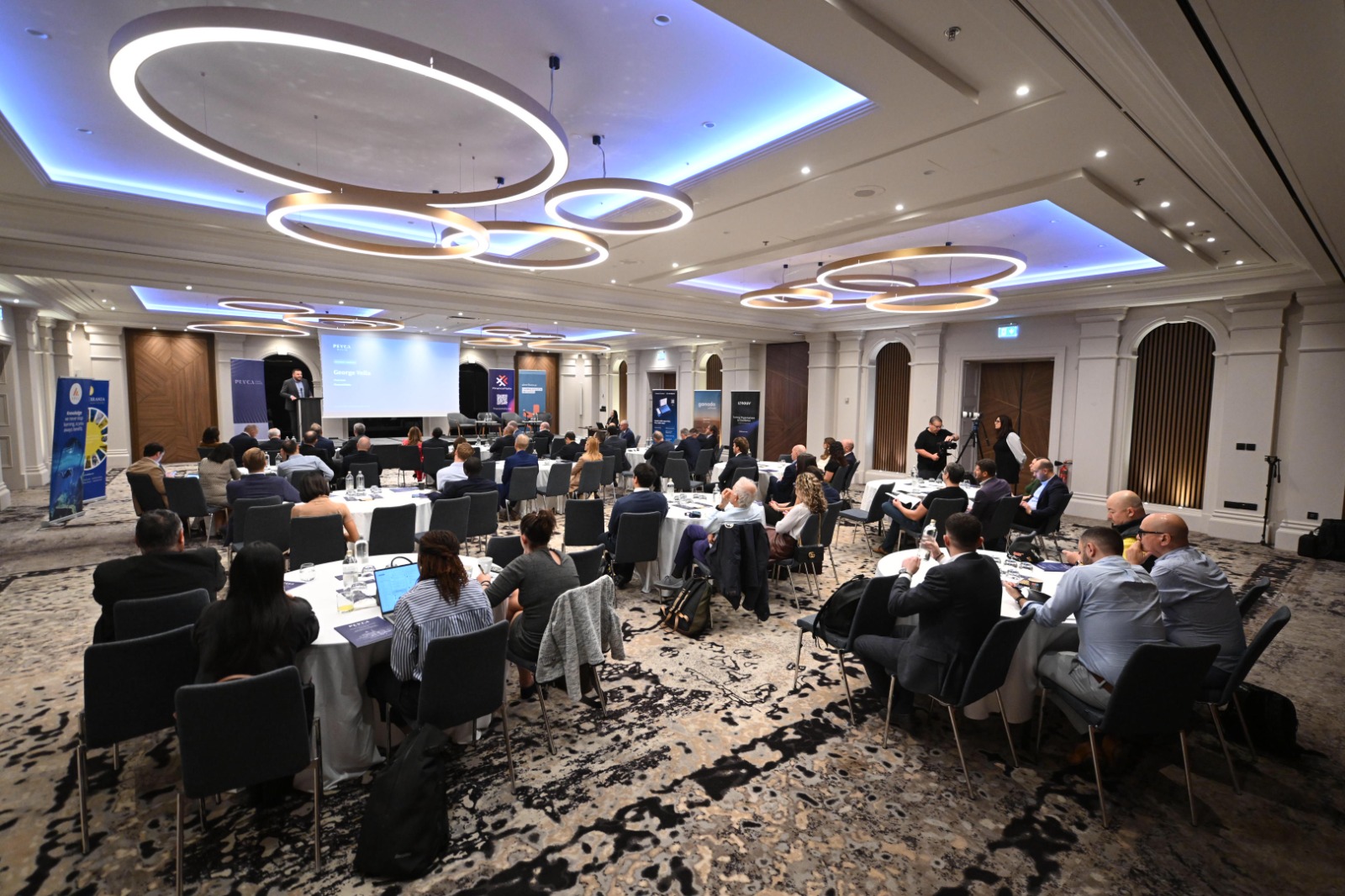
AX Group calls for destination hubs as part of tourism strategy shift in Budget recommendations
Development of a national employment and skills strategy, investment in infrastructure, tourism strategy shift are its top priorities
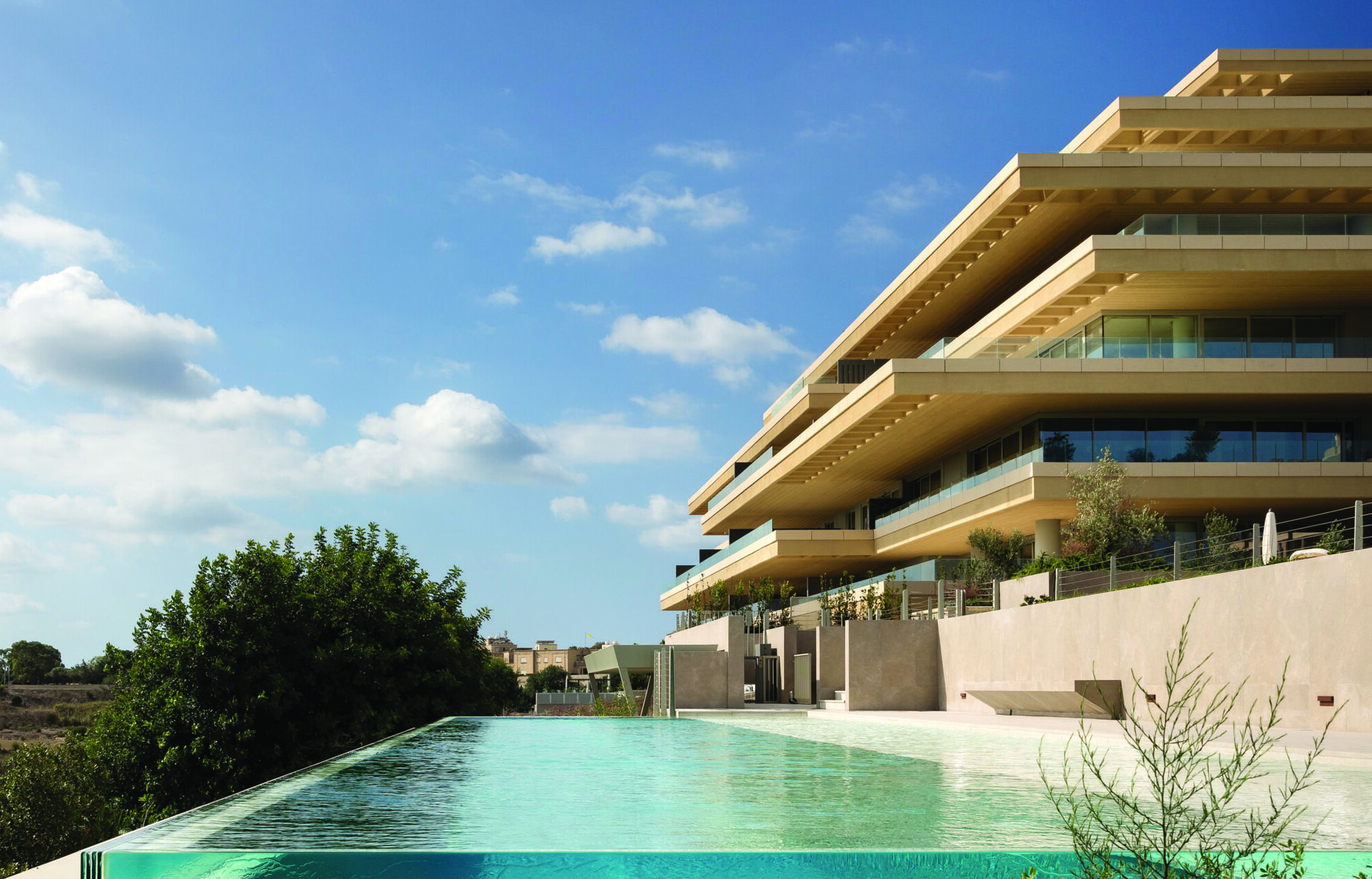
‘Our objective should not simply be to build more, but to build better’ – MDA President
The MDA welcomed the Prime Minister's 'commitment to supporting the construction and property development sector'