


A provisional agreement has been reached between negotiators from the EU Council and EU Parliament on a review of air passenger rights.
The reform aims reinforce passenger protection while ensuring a fair balance with airlines’ operational realities. It introduces new rights for consumers, and effectively maintains certain compensation rules for flights that are cancelled or delayed. The rules have not been updated since 2004.
EU Parliament Transport and Tourism Committee Vice-chair Virginijus Sinkevičius said: “We have protected the rights people already have, added new safeguards, and brought greater clarity when things go wrong. Parliament was clear from day one: we wanted to modernise the rules, but we would not let passengers pay the price. After more than a decade of deadlock, Europe is finally updating air passenger rights while keeping passengers firmly at the centre.”
But the European Regions Airline Association, which represents a diverse membership of over 50 airlines and more than 150 associate members, said the agreement “is a deeply disappointing missed opportunity. Rather than making the regulation workable for everyone and improving regional connectivity, this rushed compromise threatens the future of European air connectivity.” It argues that the result adds new burdens on regional carriers and introduces creative, last-minute options lacking any real-world operational analysis, while granting alleviation only to a minority of long-haul flights.
According to the text of the agreement, which still needs to be confirmed by the EU Parliament’s plenary and the EU Council, air passengers will maintain the right to be reimbursed or re-routed if a flight is cancelled, and to claim compensation if a flight is delayed by more than three hours, if it is cancelled less than 14 days prior to flight, or if their boarding is denied.
Compensation will depend on flight distance. For instance, for journeys up to 1,500km, compensation would be €250, while for journeys longer than 3,500km, compensation would be €600, according to the EU Parliament.
A statement by the EU Parliament underlines that “Air carriers will have the possibility to reduce compensation by 50% for their longest journeys if passengers are offered re-routing to their final destination following travel disruption, or if the delay at arrival does not last more than four hours.”
But, airlines would be able to avoid paying compensation if a delay or cancellation was caused by events out of their control, and the new rules will have a list of such extraordinary circumstances which, among other things, include war, unruly passengers, weather conditions, and airport strikes.
Air operators in all cases will have a duty to take care of passengers who are stranded by providing a meal after three hours, refreshments every two hours and, should the need arise in long delays, overnight stay for a three-night maximum.
Clear instructions
Under the agreement, airlines need to provide clear instructions to passengers facing delays or cancellations about how they can submit a request for compensation within four days of the termination of their journey. Then, passengers will have up to nine months to file a request for compensation, and airlines will have 30 days to pay it or invoke the extraordinary circumstance clause while explaining to passengers why they will not provide compensation.
The agreement also includes specific provisions for passengers with disabilities or reduced mobility. They will have a right to compensation, assistance from airlines or rerouting if they miss their flight do to failure by the airport to help them reach their flight gate on time.
Family seating
Families with children will not be separated during seating under the new rules, as air carriers will have an obligation to ensure anyone accompanying children under the age of 14 would be seated on an adjacent seat, and this same right would also apply to passengers with disabilities and reduced mobility and to pregnant women.
Another point under the agreement would include the right for passengers to, without an additional fee, carry one personal item like a small bag or backpack onboard. It was also agreed that airlines could offer cheaper tickets for those who voluntarily opt to travel without hand luggage. In addition, it will oblige airlines, intermediaries and search portals to always display the air fare inclusive of carry-on luggage at the outset of the booking process.
EU Parliament President Roberta Metsola welcomed the news. “13 years after discussions first started, ours is the Parliament that has finally reached an agreement with the Cypriot Presidency of the Council of the EU to strengthen the rights of air passengers.”
“This is a good deal for Europe, for consumers, for families, and for our airlines,” she said.
The provisional agreement reached in the Conciliation Committee (a procedure that consists of negotiations between the two co-legislators) will now have to be confirmed by both Parliament and the Council within the next six weeks, with a possibility to extend this deadline by a further two weeks. The two institutions will now vote separately on the joint text.

More than 50 startups collectively awarded €15 million in financial assistance
These businesses have created around 250 quality jobs, Government said
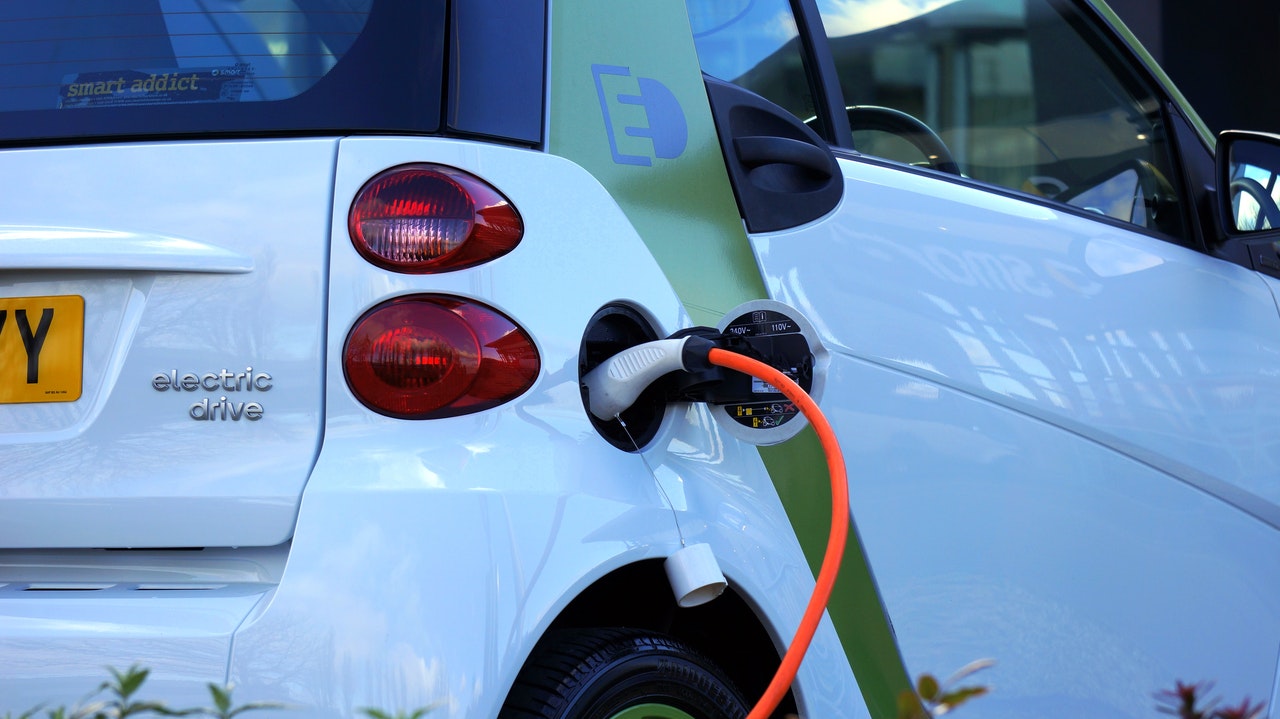
Insurers call for urgent clarity over EV disposal procedures while highlighting ‘practical difficulties’
Malta currently lacks suitable facilities for treating these batteries, association said

Working remotely abroad? Businesses warned of potential tax risks at Mobility Elite Summit
Working remotely abroad is not just a matter of finding a nice place