


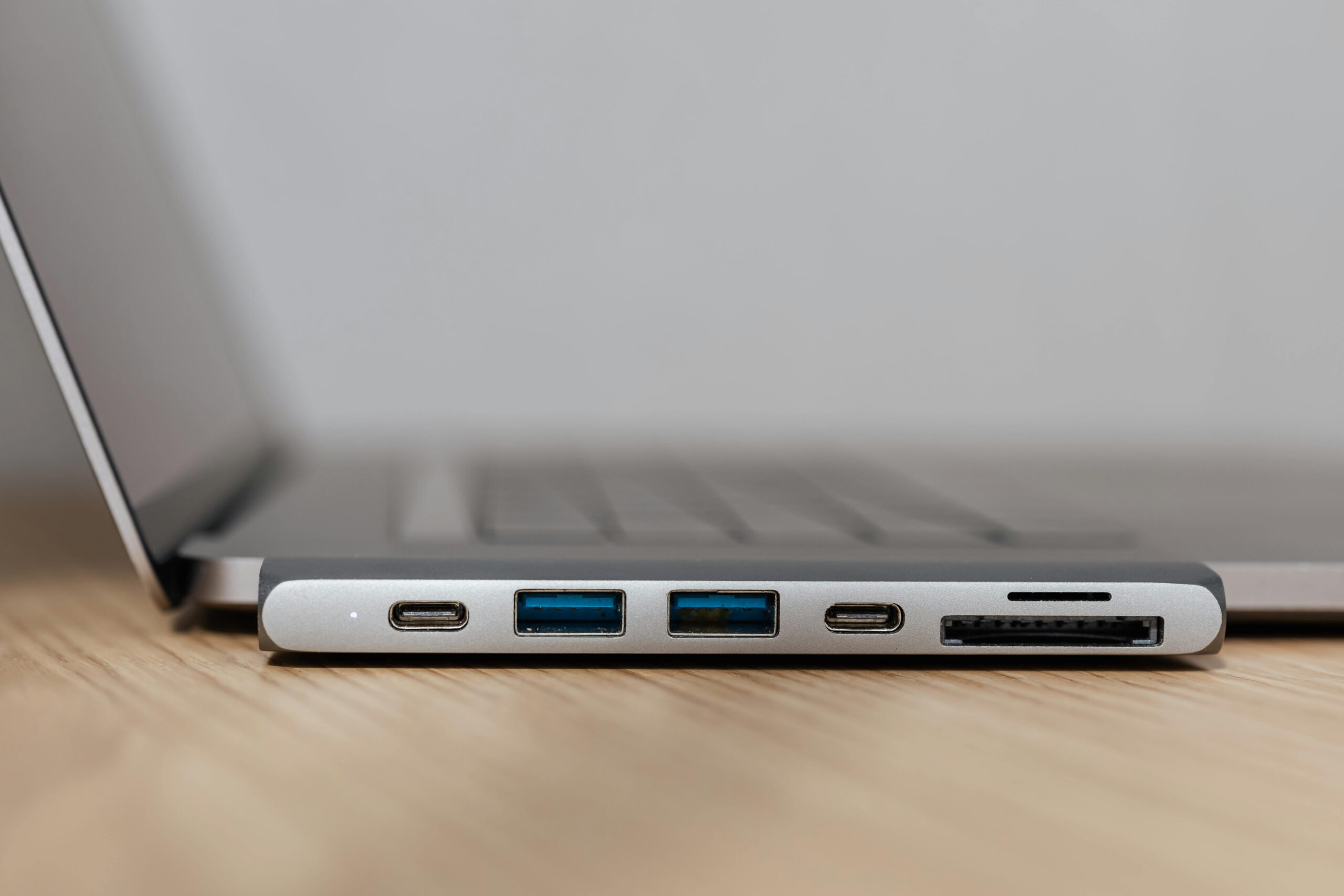
A new EU regulation mandating USB-C as the standard charging port for electronic devices comes into effect this Friday, marking a significant step towards reducing electronic waste and improving convenience for consumers.
The legislation, adopted in October 2022, requires all small and medium-sized electronic devices sold in the EU, including mobile phones, tablets, cameras, headphones, and portable speakers, to feature a USB-C charging port. The regulation will also extend to laptops from 2026.
The move aims to streamline the variety of charging cables consumers need, making it easier to charge devices with a single universal cable. According to the European Commission, this standardisation is expected to save consumers up to €250 million annually in unnecessary charger purchases and reduce over 11,000 tonnes of electronic waste each year.
For consumers, the regulation means fewer cables cluttering their homes and greater interoperability between devices. The change is also expected to benefit travellers and businesses by simplifying the types of chargers required across multiple devices.
Manufacturers, however, face the challenge of redesigning products to comply with the new standards. While many companies have already begun integrating USB-C ports into their devices, the regulation formalises this transition and sets clear deadlines for compliance.
Apple, one of the manufacturers most affected by the regulation, has started phasing out its proprietary Lightning cable in favour of USB-C. This includes its latest iPhone models, which now feature USB-C ports. While the company initially resisted the move, citing concerns over innovation, it has since adapted its product line to comply with the new requirements.
The EU's initiative is part of a broader strategy to enhance sustainability and reduce waste. In addition to standardising chargers, the regulation includes provisions for the unbundling of chargers from device sales, allowing consumers to purchase chargers separately if needed.
The European Commission has hailed the new regulation as a win for both consumers and the environment, setting a precedent for global markets. As the regulation takes effect, businesses and consumers alike will begin to experience the benefits of a unified charging standard, paving the way for a greener, more efficient future.

Related

More tourists came to Malta in Q1 this year, but on average spent slightly less time in the country
Average spend per tourist during their stay saw a slight decline.
EU regulator clarifies when prediction markets may breach European law
ESMA clarifies that binary trading on financial instruments is illegal under EU law

Malta among EU’s top three countries for job vacancies
The job vacancy rate for Malta stands at 3.3%