



Almost a third of businesses in Malta currently have an absentee rate higher than 15 per cent, according to a survey carried out by the Malta Employers' Association (MEA).
Revealing the serious impact the current COVID situation is having on businesses, the MEA survey showed that 32 per cent of the 325 respondents have 15 per cent or more of their workforce missing due to illness and quarantine.
Meanwhile, 58 per cent of respondents said they are coping with absenteeism through teleworking where possible, while 51 per cent said they have resorted to reducing operations.
The survey covered companies operating in all sectors of the economy.
The MEA said the disruption to business activity will have a negative impact on GDP and Government finances, given that the wage supplement
will have to be extended to at least the first quarter of 2022 to
many businesses as a result.
The association appealed to the authorities to constantly re-examine the measures being taken to safeguard public health, such as the duration of quarantine and other restrictions, to ensure that they are commensurate with the risk level of the pandemic.
"It is also important that issues that have risen at the workplace due to ambiguous regulations are clarified to avoid unnecessary absence and industrial unrest which comes at a great cost to employers," the MEA concluded.
The survey backs up claims by manufacturing companies who spoke to BusinessNow.mt earlier this week, many of whom said they were facing an unprecedented staffing crisis.
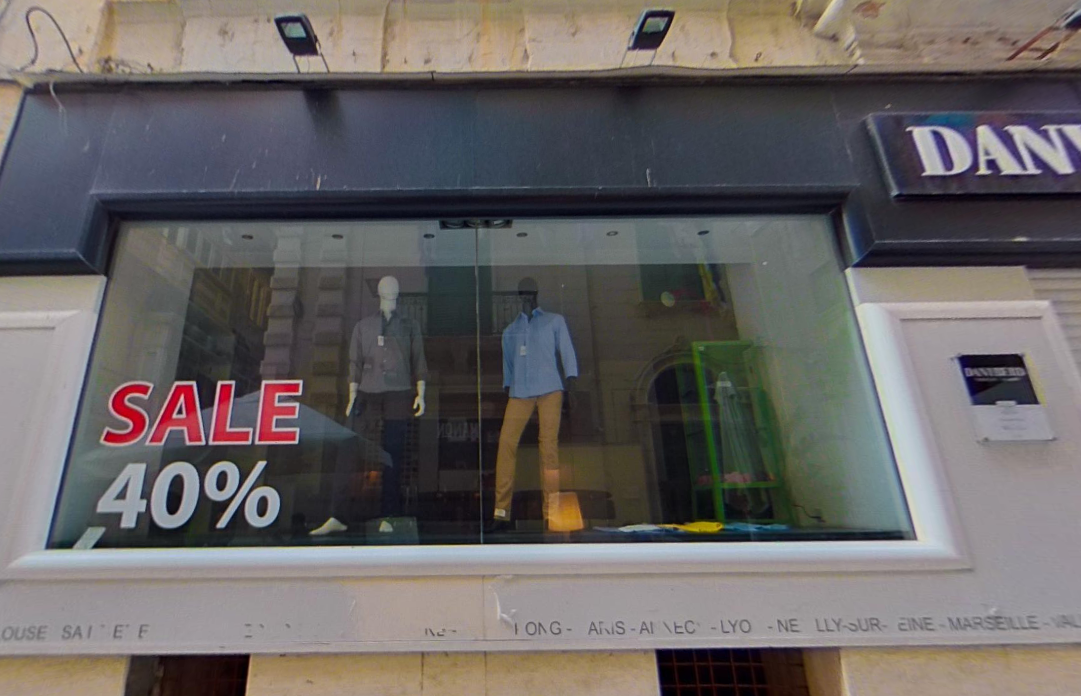
No injuries reported as part of Valletta shop ceiling collapses
The incident occurred at 10.20am on Friday

NCPE calls for Equality Impact Assessment before TCN Budget measures come into force
'Several of the measures have the potential to increase inequality among vulnerable groups,' it said

Malta’s business conditions remain below long-term average as retail activity contracts
Malta’s business conditions remain below long-term average as retail activity contracts