


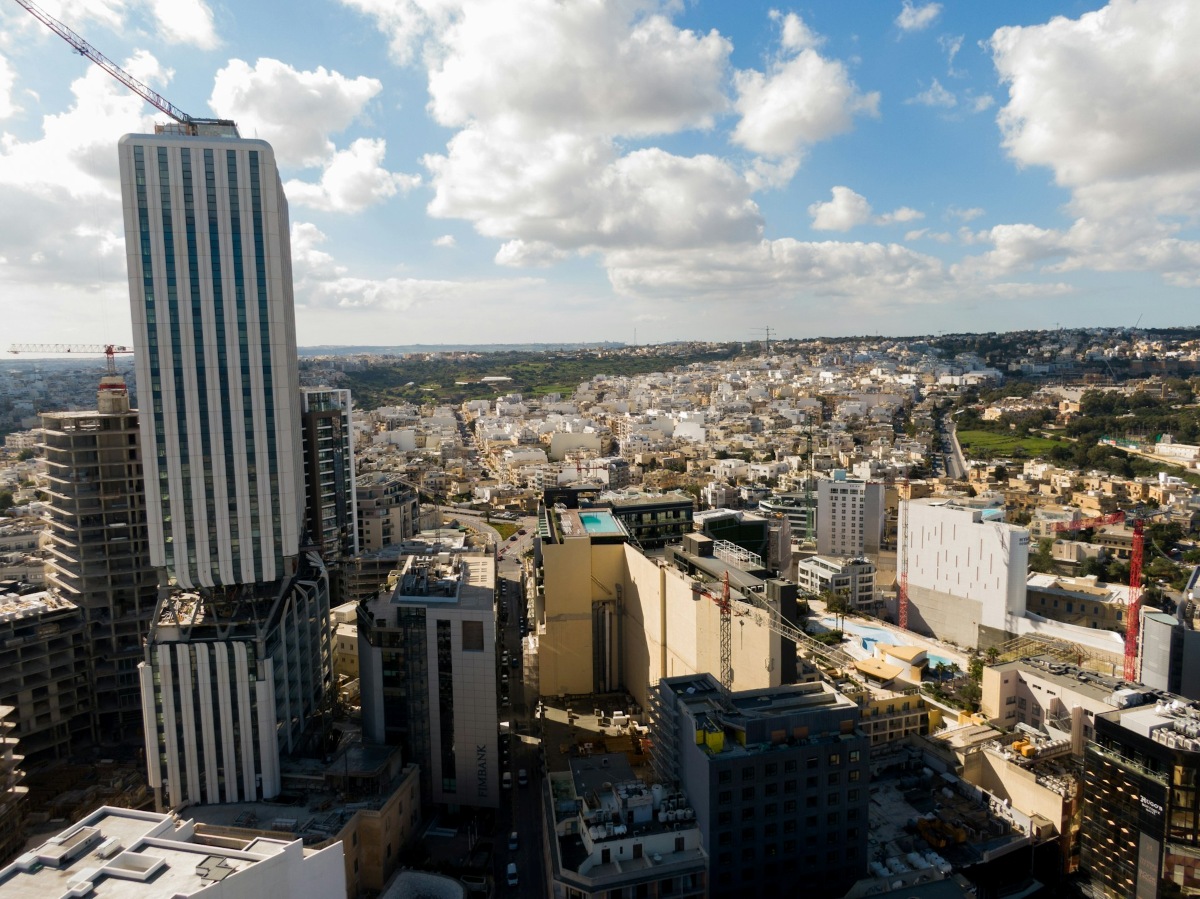
More than half of all new hotel and tourism collective accommodation bed places added in Malta since January 2020 has been concentrated in just two localities – St Julian’s and Gżira – highlighting the concentration of tourism development growth in that region.
Malta’s tourism sector has experienced a boom in recent years, with tourism numbers skyrocketing. In 2019, the last full year before the Covid-19 pandemic, Malta welcomed 2,753,239 tourists. This number rose dramatically to 4,022,310 last year.
As the number of tourists has risen, so has the number of collective accommodation establishments and the number bed places they offer. In January 2020, Malta had 215 collective accommodation establishments, providing 43,242 bed places. In April of this year, the numbers stood at 361 such establishments, and 55,411 beds.
BusinessNow.mt requested data from the National Statistics Office (NSO) relating to collective accommodation establishments in each locality in 2020 and today, to identify the extent of tourism accommodation expansion in different areas around the country.
The data provided by the NSO shows the number of hotels and other collective accommodation (including guesthouses, hostels and tourist villages), and separately also bed places within such establishments, defined by the NSO as the number of persons who can stay overnight in the establishment (not taking into account any extra beds that may be provided to clients on request).
The data does not include short-let accommodation.
St Julian's and Gżira added 6,751 bed places between January 2020 and April 2026, accounting for 55.5 per cent of the national increase of 12,169.
St Julian’s alone accounted for the increase of 4,754 bed places in collective accommodation since January 2020, reaching a total of 15,425 in April this year, by far the highest number in the country. The number of collective accommodation establishments during this period rose from 38 to 67 in the locality.
In Gzira, the second highest numerical increase was recorded. Bed places rose from 2,232 in January 2020 to 4,229 in April this year, an increase of 1,997. The number of collective accommodation establishments in the locality more than doubled during that period, from 6 to 18.
Sliema meanwhile saw the number of such establishments rise from 28 to 47, resulting in an increase of 1,487 bed places, reaching 5,534. This was another locality with a high increase.
Some other localities also saw a significant rise in the number of collective accommodation establishment beds, such as Malta’s capital city Valletta. Here, the number of establishments rose from 28 in January 2020 to 49 in April 2026, resulting in a rise of 701 bed places reaching a total of 1,808.
Mellieha also saw a significant increase, with bed places rising by 1,291, reaching a total of 8,280.
Meanwhile, the locality which currently has the second highest number of beds available in collective tourism accommodation barely saw any increase within the time period – St Paul’s Bay. In January 2020 there were 34 hotels and other collective accommodation operating in St Paul’s Bay, whereas in April 2026, the number stood at 35. In total these establishments provide 12,142 bed places, having increased by 234.
In Gozo, Munxar had the largest number of collective accommodation establishments, 7, providing 430 bed places.
The NSO figures show that tourism collective accommodation growth was concentrated in a handful of localities during this period.
The NSO did not include data for certain localities however, saying that it cannot disclose data where low counts may lead to the identification of individual establishments. Pembroke was one such locality for instance.
Malta’s ever growing tourist numbers has raised concerns about over-tourism, and a discussion has followed regarding attracting higher-spending tourists rather than just focusing on tourism numbers.
During an interview with this media house earlier this year, President of the Malta Hotels and Restaurants Association Tony Zahra had expressed his belief that there should not be any limit placed on the number of tourists coming to the islands as he does not believe the Government should intervene in the market. “However, the Government should regulate the market,” he said.
However, Mr Zahra said that “if you create over capacity in anything, then the market is going to suffer,” and mentioned that what one can do, is limit the number of beds available.
The Malta Chamber of Commerce has also weighed in on the tourism situation in the country. In March of this year, in collaboration with EY Parthenon, it presented more than 115 recommendations aimed at shaping the future of Malta’s tourism sector.
Dr Marthese Portelli, CEO of The Malta Chamber, had said that the document “aims to guide Malta towards a model that prioritises value over volume, strengthens governance and coordination, invests in human capital and innovation, and safeguards the natural, historical and cultural assets that define the Maltese tourism experience.”
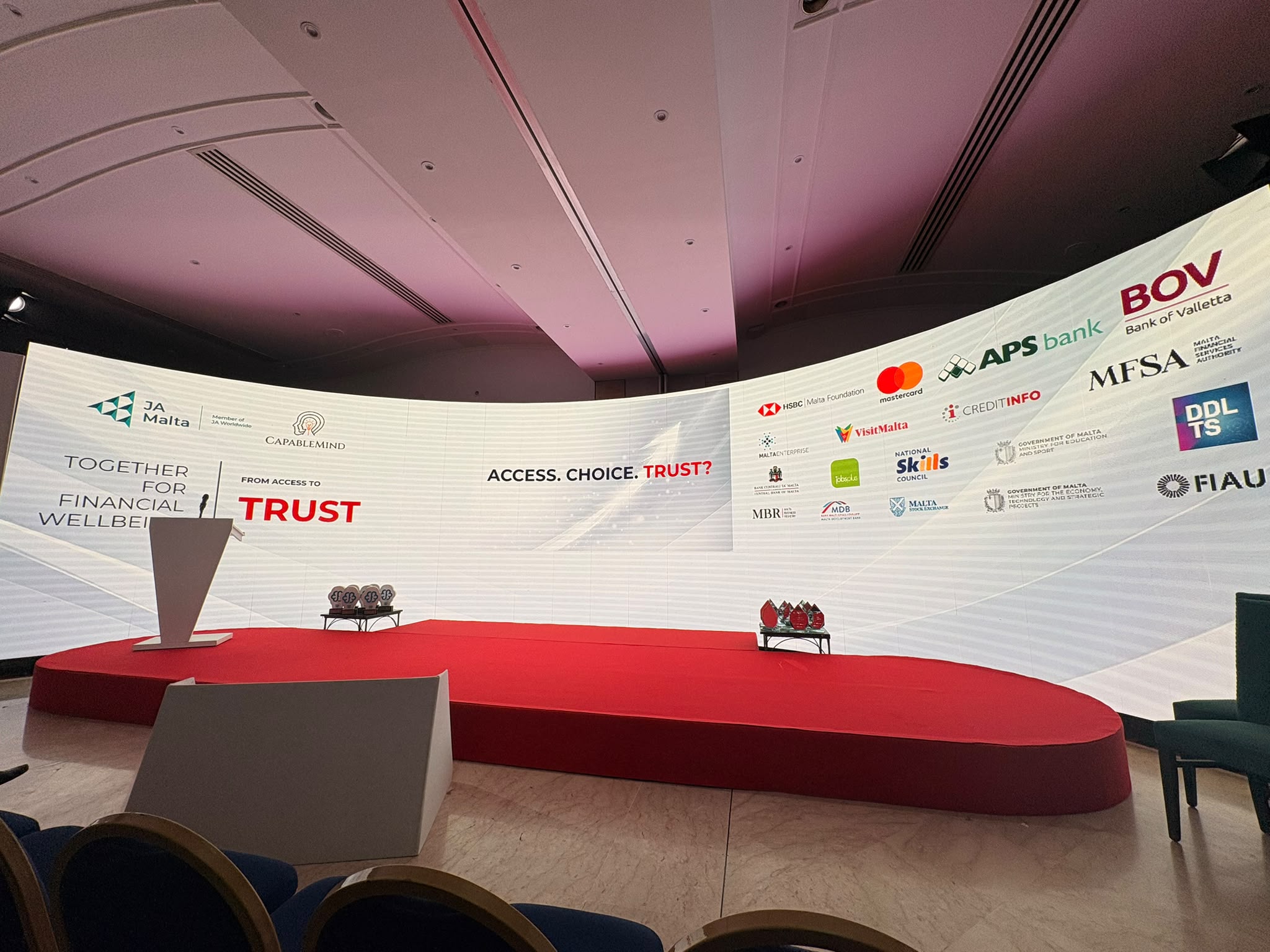
Financial knowledge alone is not enough to improve financial wellbeing, experts warn
Experts are discussing how financial education can be translated into better financial decisions
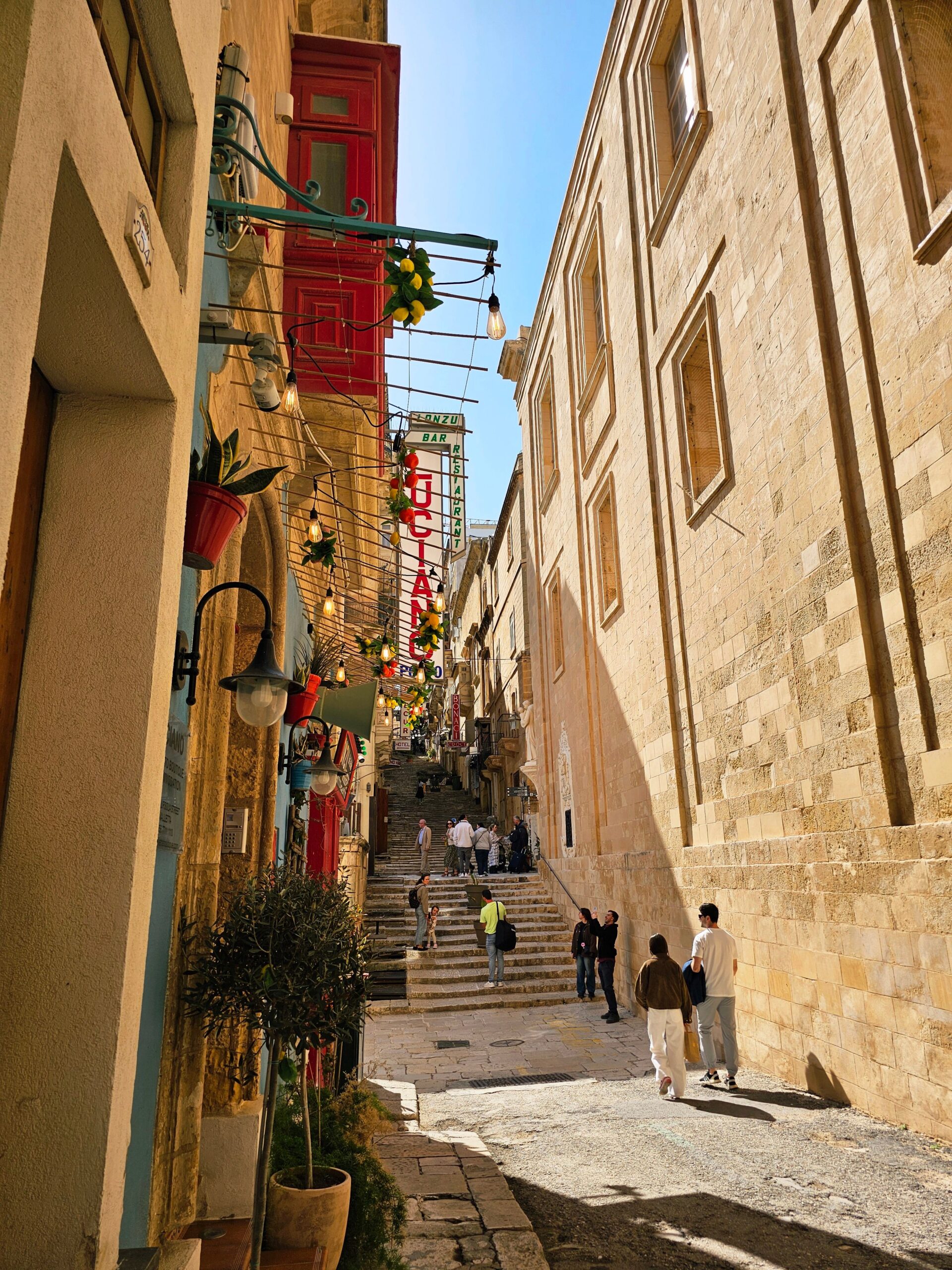
Tourism intensity climbs as Malta’s effective population tops 670,000 in August
During August 2025, St Julian’s tourism intensity reached 143 tourists per 100 residents

Millions in taxable income declared by 81 companies with no employees
Tax declared by US multinationals in Malta rose to €118 million in 2024, up from €24.7 million in 2020