


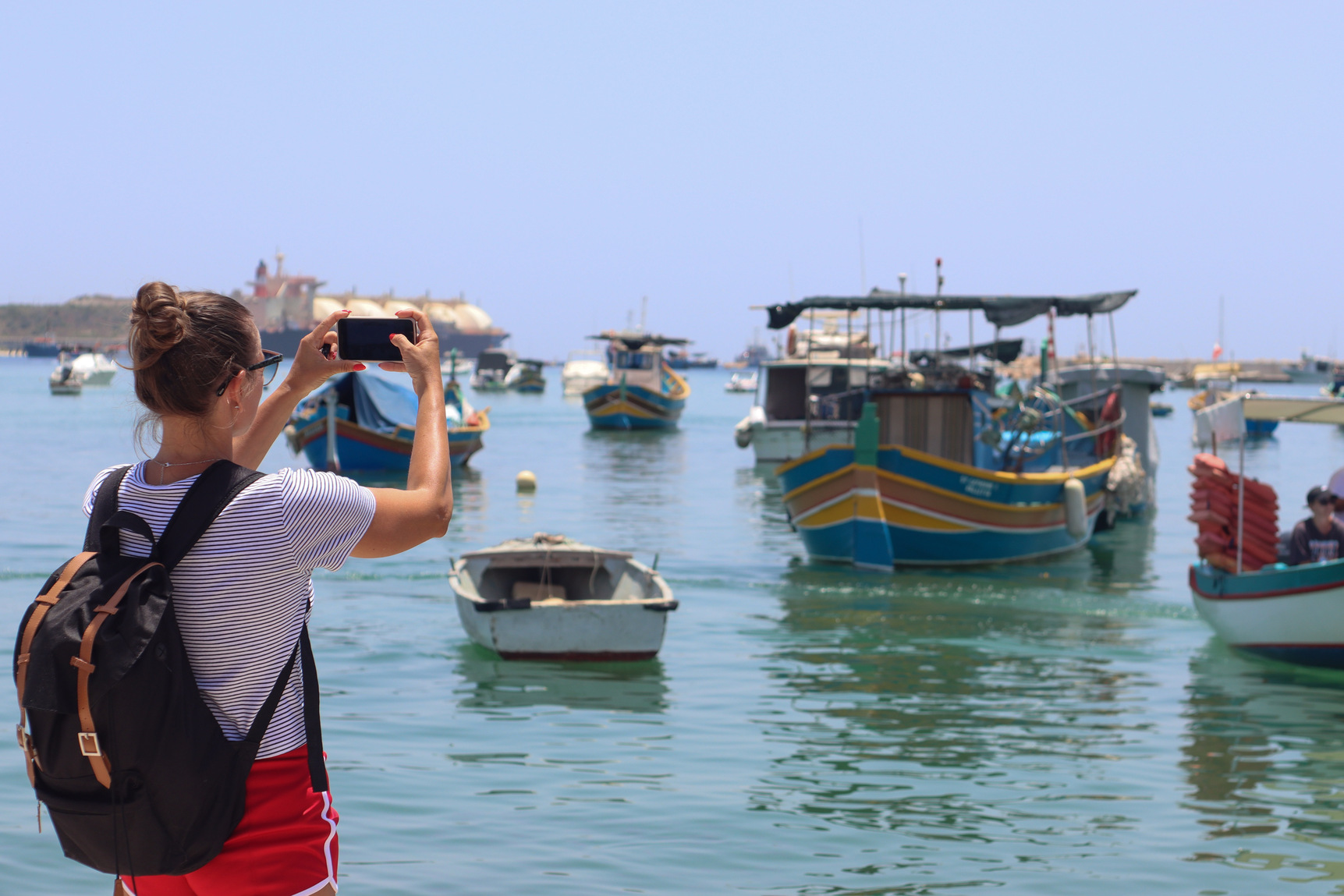
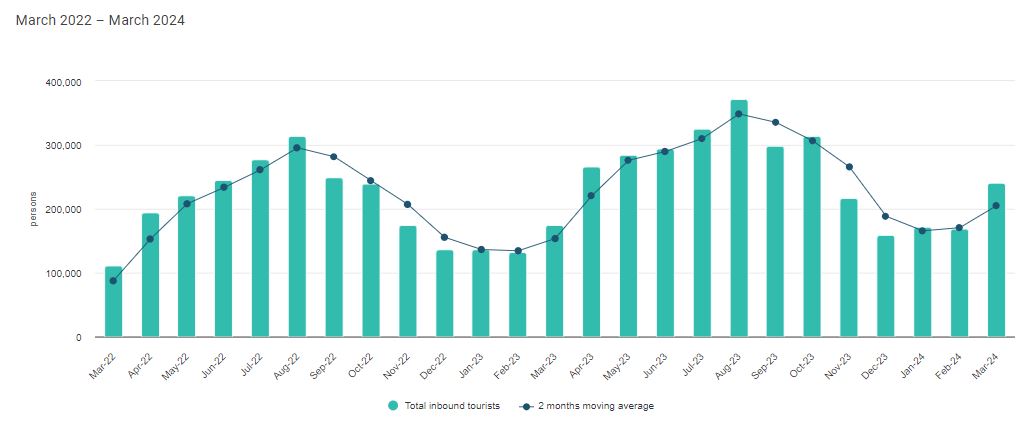
The number of tourists visiting Malta between January and March 2024 increased by 31.3 per cent over the corresponding period of the previous year, pointing to a sustained boom in tourism after the post-pandemic re-opening.
The National Statistics Office said that over 580,000 tourists visited Malta in the first three months of 2024, spending a total of over 3.4 million nights – an increase of 17.7 per cent.
Total tourist expenditure was estimated at €407.2 million, 30.4 per cent higher than that recorded for the same period in 2023.
However, total expenditure per capita decreased to €700 from €705 for the same period in 2023.
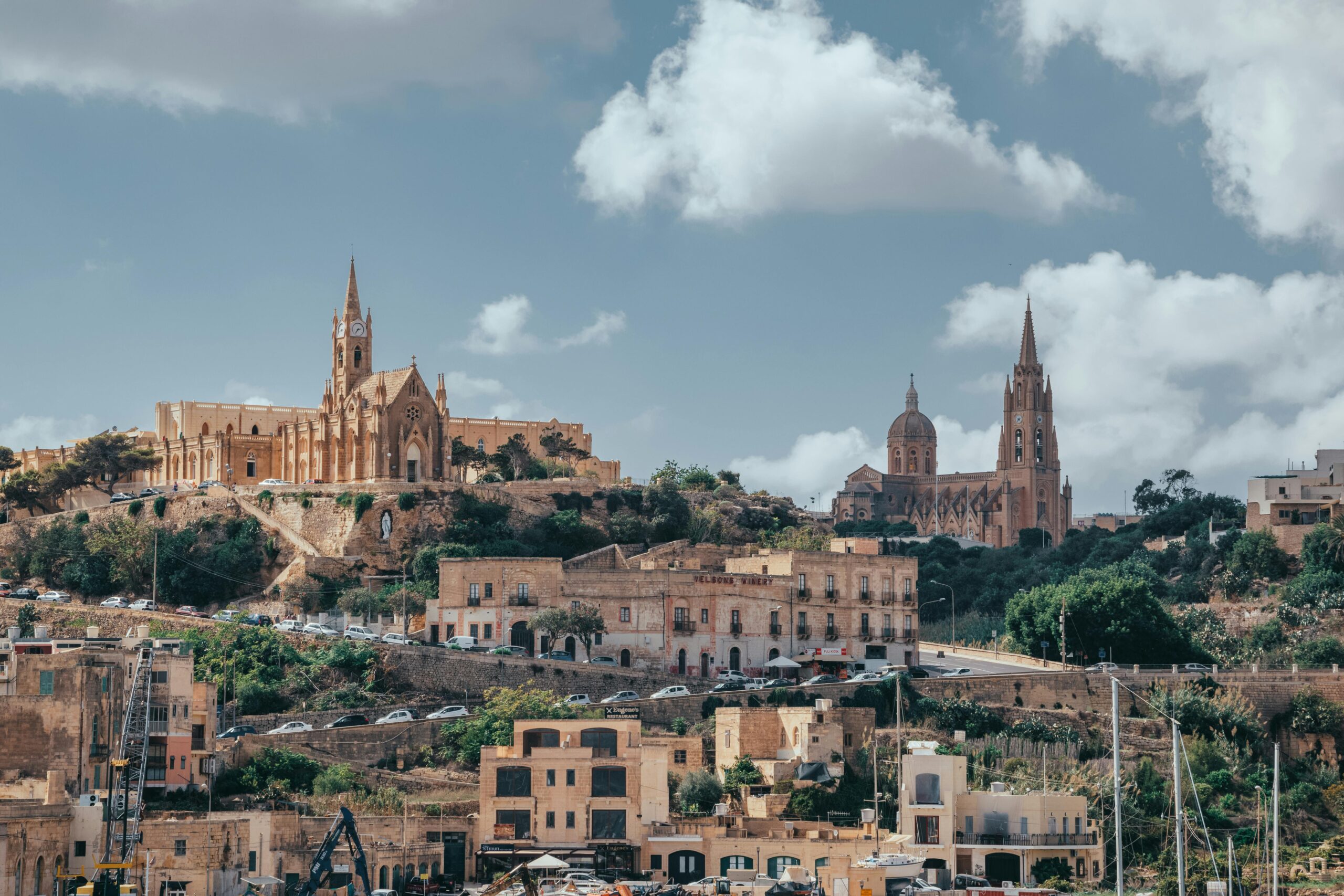
The number of tourists visiting Gozo and Comino, including both same-day and overnight visitors, totalled 271,976, or 46.7 per cent of total tourists
Looking at March alone, it saw just over 240,000 arrivals, an increase of 38.1 per cent when compared to the corresponding month in 2023.
The largest share of inbound tourists were aged between 25 and 44 (35.3 per cent), followed by the 45-64 age bracket (32.8 per cent).
British, Italian and Polish residents made up 44.1 per cent of total inbound tourists.
Total tourist expenditure in March surpassed €183 million, an increase of 44.8 per cent over the corresponding month in 2023. The average expenditure per night was estimated at €130.90.
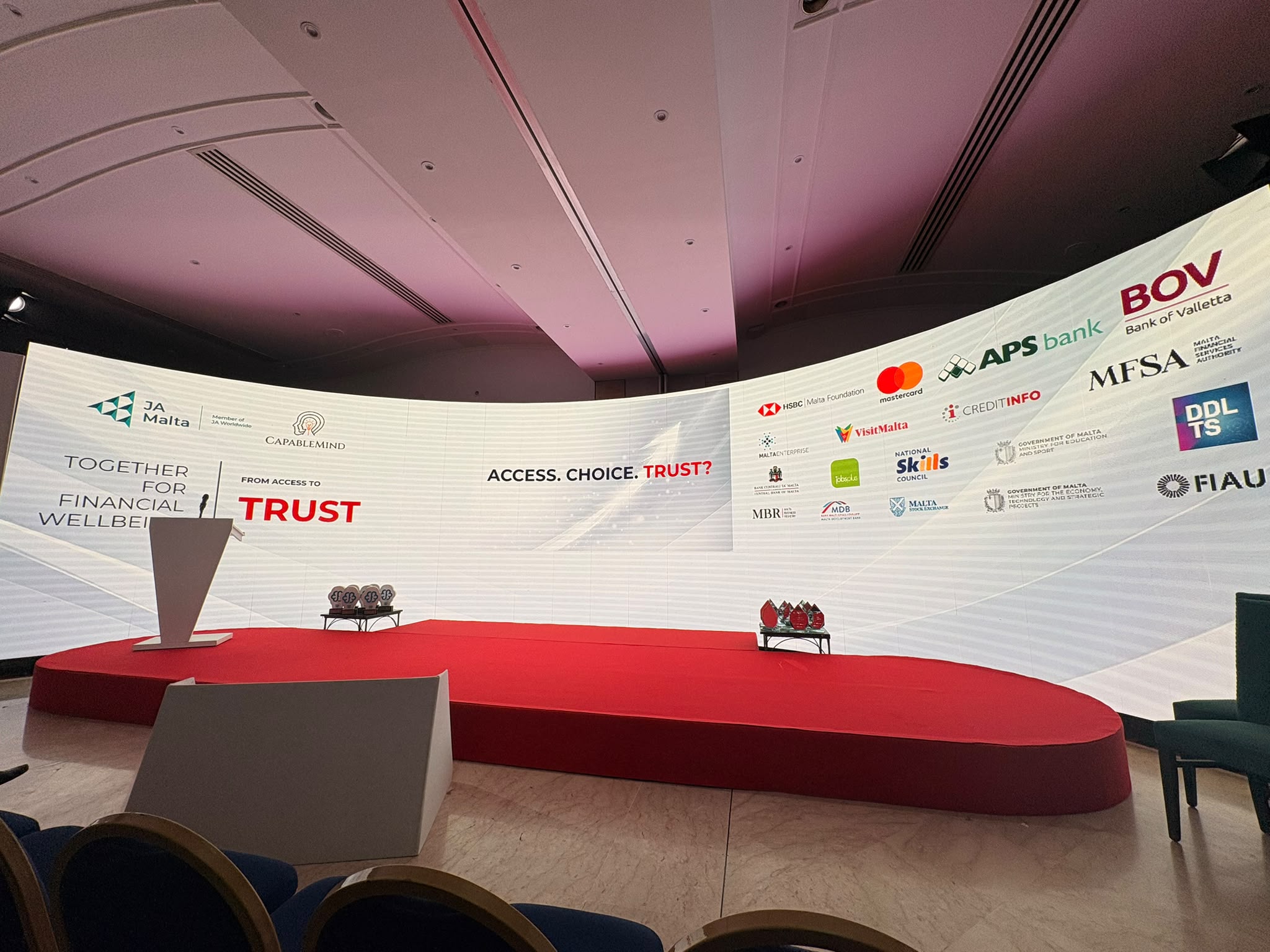
Financial knowledge alone is not enough to improve financial wellbeing, experts warn
Experts are discussing how financial education can be translated into better financial decisions
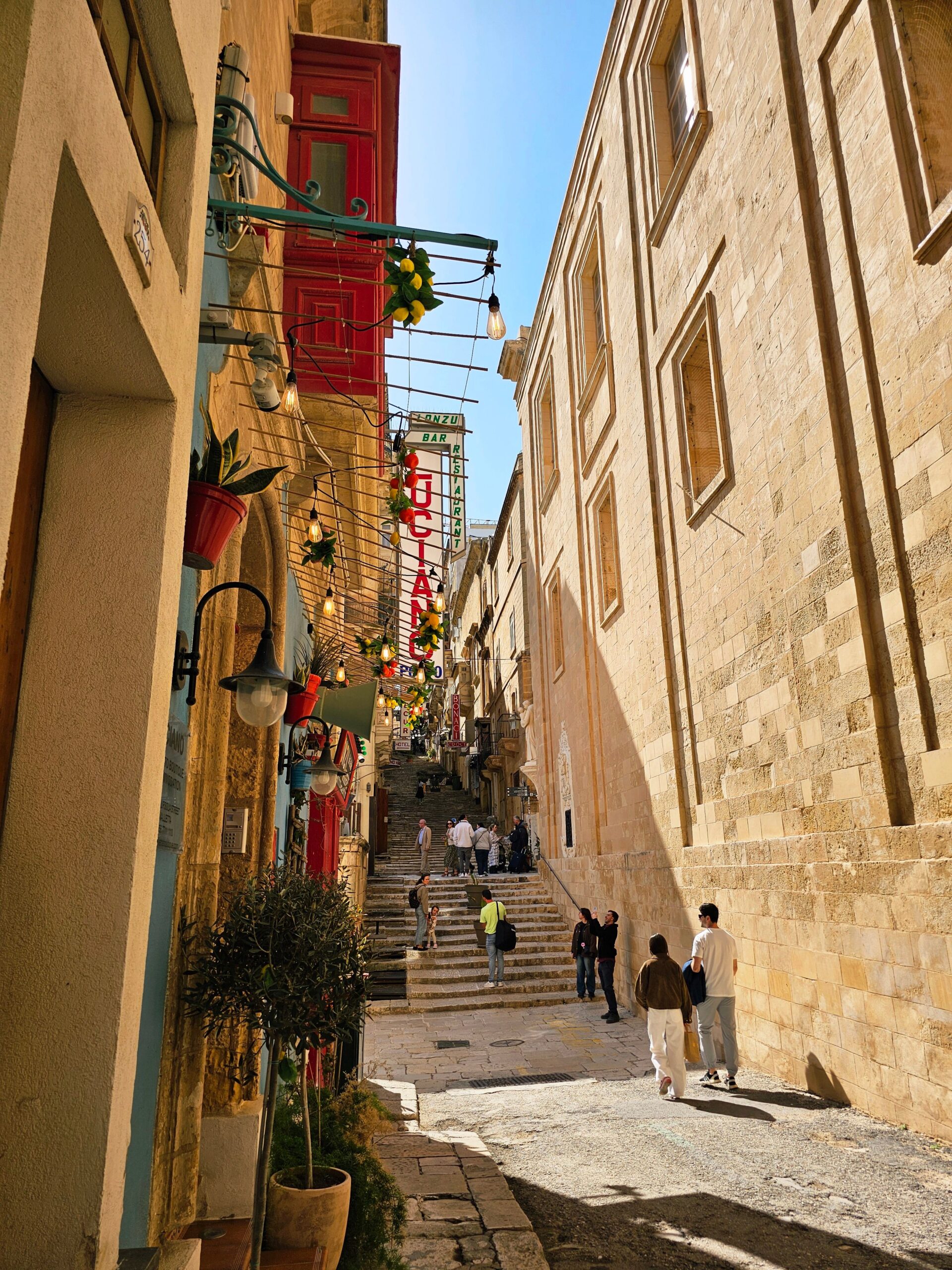
Tourism intensity climbs as Malta’s effective population tops 670,000 in August
During August 2025, St Julian’s tourism intensity reached 143 tourists per 100 residents

Millions in taxable income declared by 81 companies with no employees
Tax declared by US multinationals in Malta rose to €118 million in 2024, up from €24.7 million in 2020