


It is no surprise to anyone that Malta’s diminutive home market is often quickly outgrown by ambitious businesses. However, as they turn their attention to new opportunities on foreign shores, the whole endeavour of internationalisation can prove to be somewhat daunting.
Enter TradeMalta, a public-private partnership uniquely positioned to support Malta-based companies as they look to take their products and services to international markets. At the core of TradeMalta’s operation is a small team of highly specialised individuals who are dedicated to guide businesses as they seek to grow internationally.
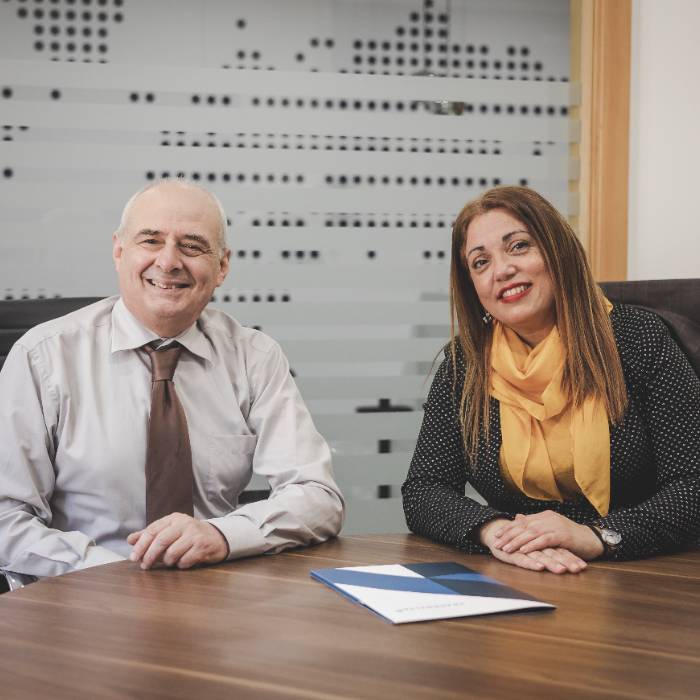
BusinessNow.mt spoke to Heads of Research Audrey Genovese and Mario Brincat who bring with them decades of experience, arguably across the entire trade spectrum, having both operated in various fields over the years. Together, Ms Genovese and Dr Brincat support TradeMalta’s efforts to assist businesses in identifying opportunities on the international stage and help them thrive globally.
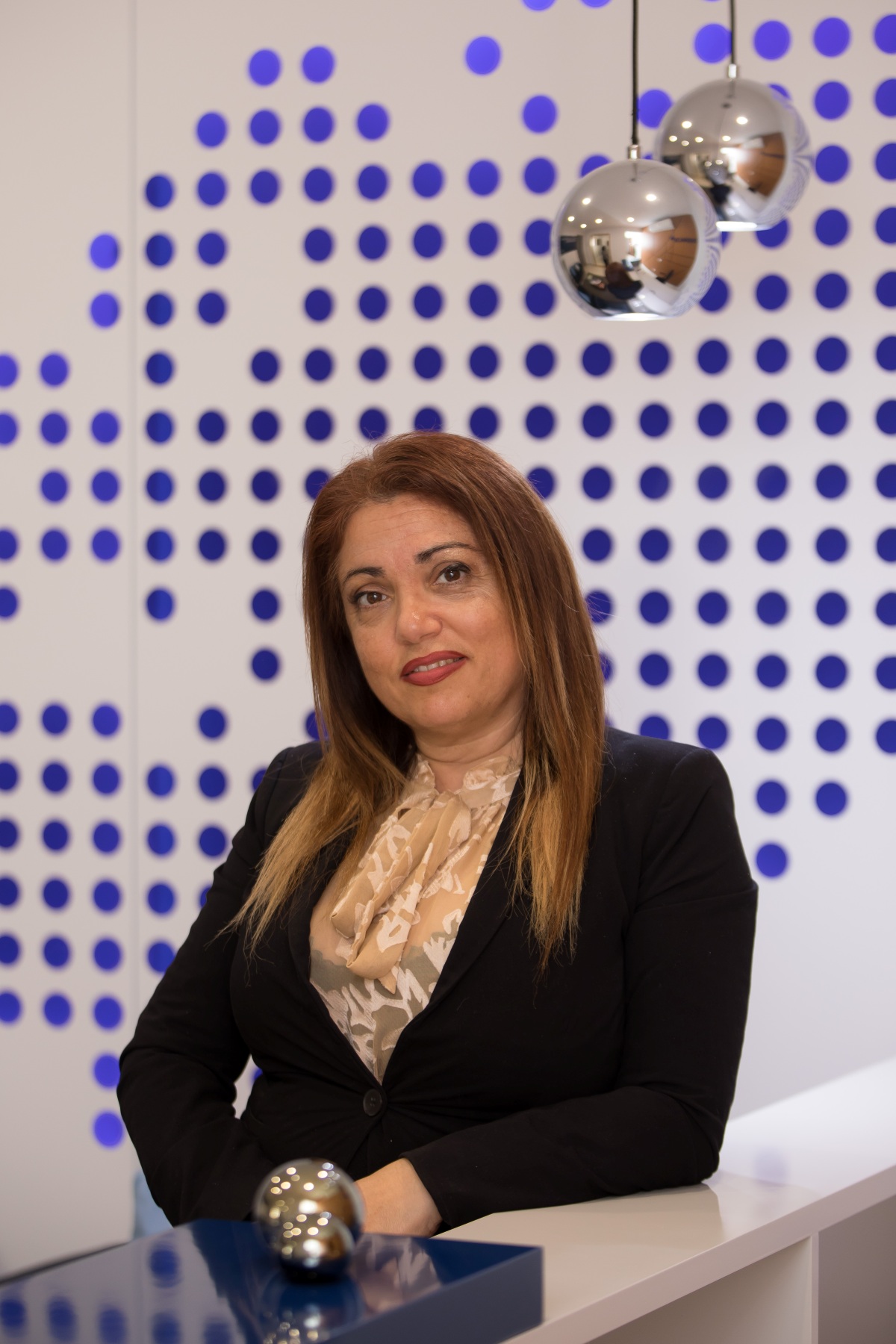
“TradeMalta’s primary goal is to assist Malta-based businesses that are looking outward, to expand their operation abroad,” explains Ms Genovese. “This includes both goods and services, across a very broad range of sectors. By tapping international markets, Maltese enterprises can achieve economies of scale, diversify their revenue streams and position themselves as competitive players on the global stage.”
“Every company has its own story, and that is why we make it a point to take a granular approach to both our research and our assistance, speaking directly to businesses and understanding what their ambitions and preoccupations might be,” Dr Brincat points out. “TradeMalta assesses export readiness case by case, helping enterprises grow their customer base and understand the requirements of different markets.”
This close engagement has paid off. The value of Malta’s merchandise exports has been growing steadily, with marked increases in markets such as Sub-Saharan Africa, the Gulf Cooperation Council countries, and other parts of the near and middle-east, regions where TradeMalta has been actively helping its clients to open new doors. Exports to these countries by Malta-based enterprises may fluctuate from one year to the next, but overall the medium to long-term trend is positive.
Food and beverage companies are mainstays of TradeMalta’s portfolio of beneficiaries, and their products feature prominently in export statistics. However, new and exciting sectors have also been developing in recent years. In fact, Malta’s exports are quite varied for an economy its size, and it is worth noting that, besides food manufacturing, enterprises shortlisted for last year’s edition of TradeMalta’s Malta International Awards came from logistics, education and training, pet foods, aquaculture, plastics, and information technology. Between them the shortlisted companies covered a truly global range of markets.
“The IT sector has significantly expanded its international presence over the years,” notes Ms Genovese. “Malta’s IT firms tend to be small, mostly employing fewer than fifty persons, predominantly Maltese-owned and Malta-based, with a strong client base in Europe. However, interest is widening, with countries like Ghana, Saudi Arabia and the UAE emerging on the radar.”
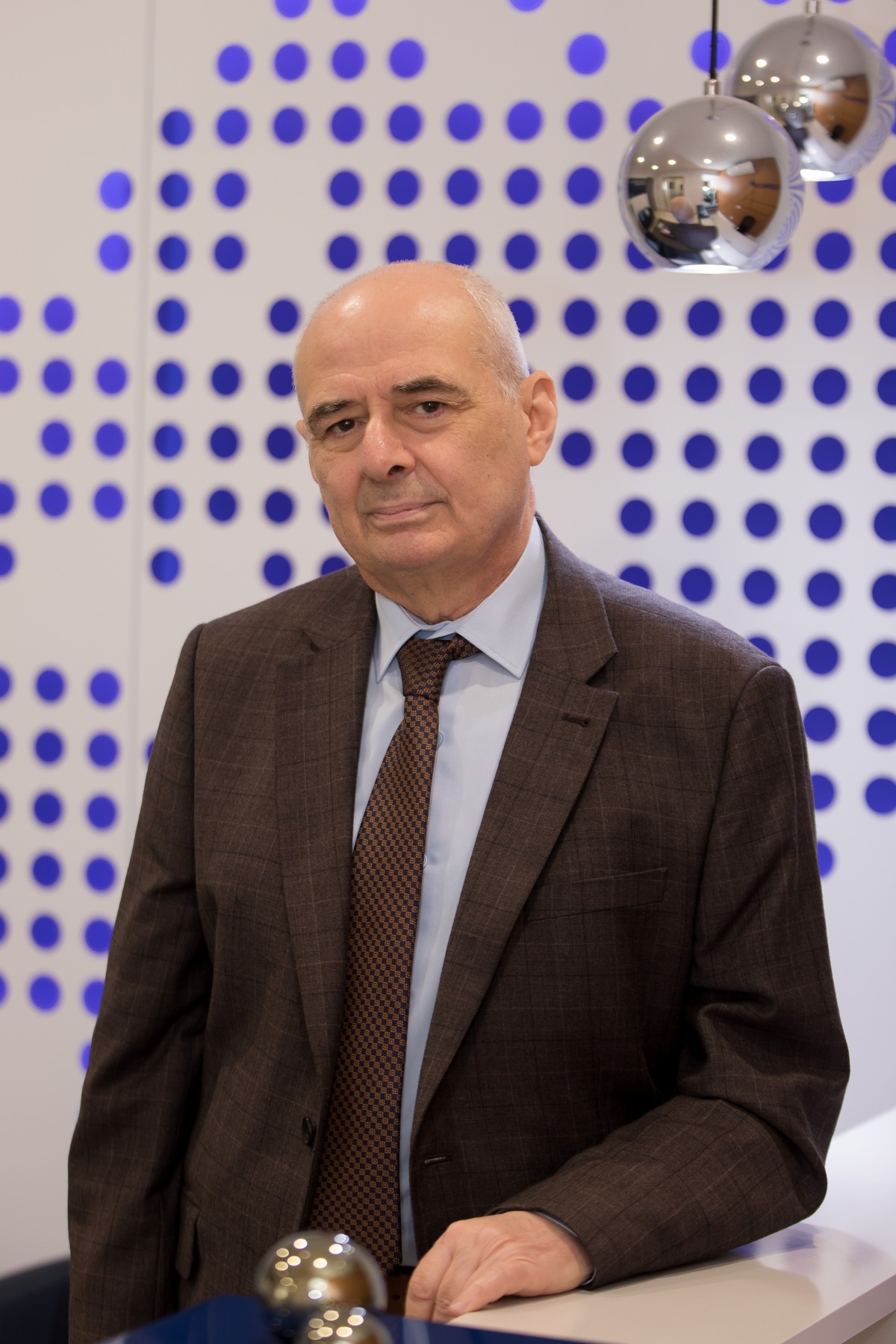
“IT companies often approach internationalisation differently,” Dr Brincat qualifies. “Tech firms are more likely to attend fairs independently or invest in their own branded stands. On its part, TradeMalta does its best to mould its assistance to the needs of the sector and its constituent enterprises. In fact, besides organising ‘flagship’ events such as trade missions, TradeMalta also assists firms on an individual level, addressing a variety of enterprise needs.”
The education sector, meanwhile, presents interesting opportunities. Malta is well positioned to attract foreign students into its educational institutions (four of which made it to the finals of last year’s Malta International Business Awards), while also maintaining a thriving cluster of schools teaching English as a foreign language that continues to draw increasingly large volumes each year. Both angles contribute significantly to Malta’s service export figures, and one leading Maltese-owned chain of schools of English is a significant player internationally.
Trade Malta also supports manufacturers in traditional areas such as plastics, but it is also keen to foster innovators, like those in the 3D printing space. Also, while Trade Malta doesn’t run dedicated startup programmes, it remains committed to assisting even the smallest ventures that demonstrate promise and commitment.
TradeMalta takes pride in its micro approach. “We work on a case-by-case basis. Each sector and each company face unique challenges, and we need to be savvy to their specific needs” says Dr Brincat.
“Moreover, TradeMalta events and missions tend to focus on destinations where clients might find it harder to gain a foothold, where cultural and other barriers are more daunting, providing crucial support and information about a market that proves to be extremely useful for operators. We believe that our trade missions, and the national stands we organise at a number of prominent fairs, offer real value to our clients, from helping navigate regulatory landscapes to brokering meetings with potential partners,” Ms Genovese adds.
In its 10 years of operation, TradeMalta has established itself as an essential driver behind many success stories. By working hand-in-hand with businesses across diverse fields, the agency has played a pivotal role in broadening Malta’s economic horizons.
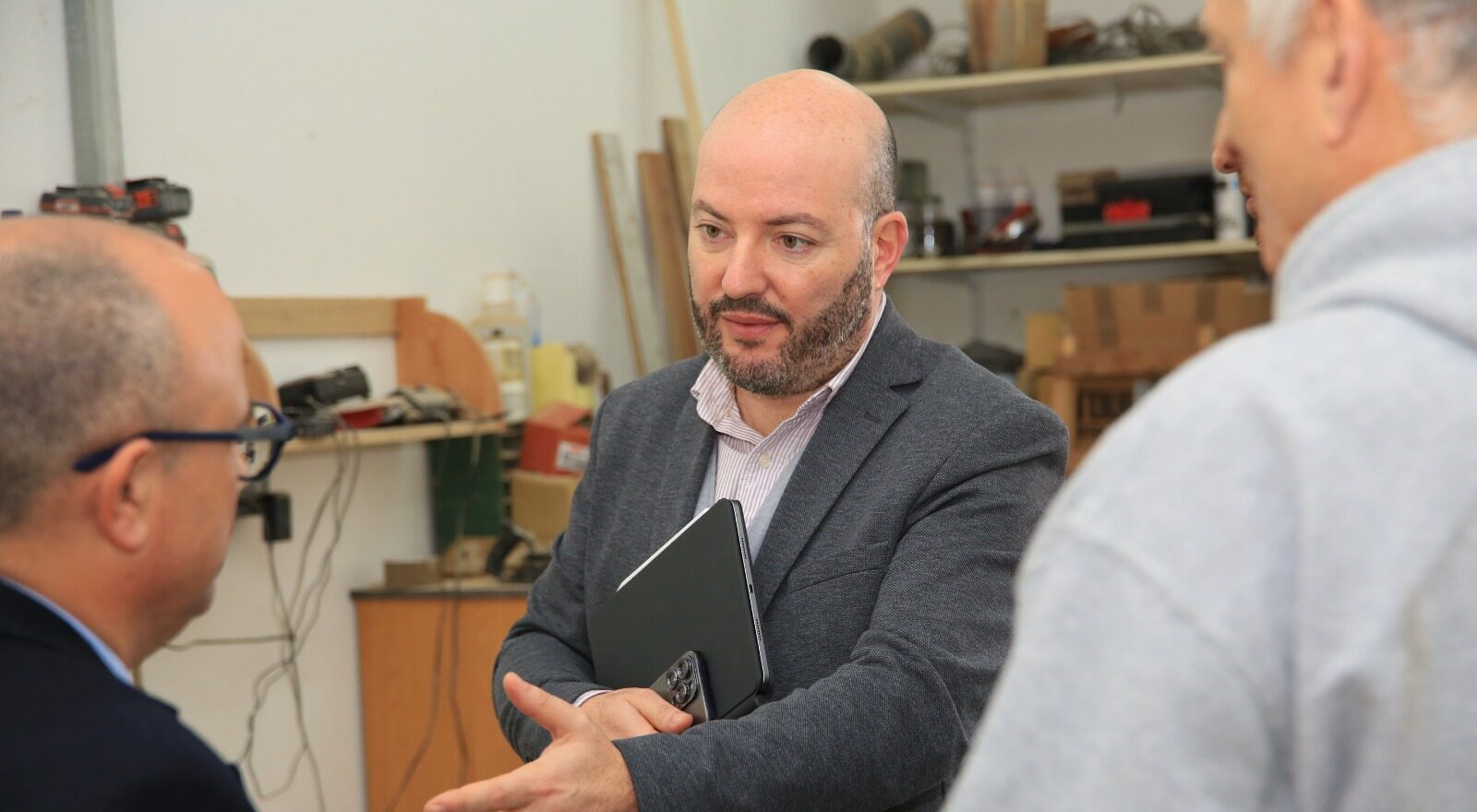
‘We realise the importance of Gozo as part of our economy’ – FBO Regulator
Joseph Gerada on the Gozitan microclimate, the urgency of succession planning, and the importance of corporate governance
Malta sets up group to make share trades settle faster by 2027
The move aligns Malta with a broader EU-wide initiative to shorten settlement times
Is Malta emerging as a preferred hub for EMI licensing as Lithuania tightens oversight?
People are highlighting Malta’s positioning as an alternative jurisdiction to Lithuania when it comes to EMI licensing