


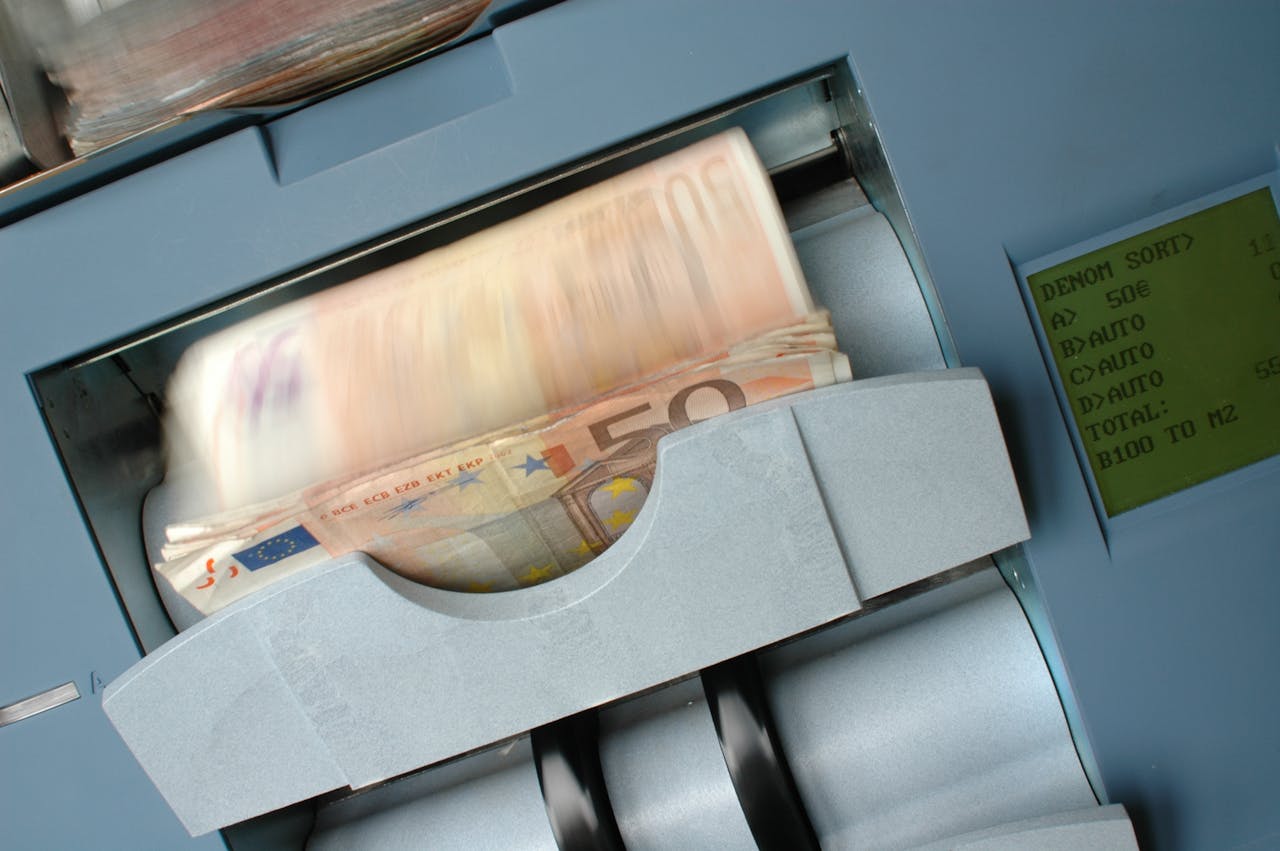
Remember when iTunes (2001) didn't kill music but made it instant and everywhere? Uber (2010) turned taxis into on-demand rides. Netflix (1998) made movie rentals endlessly stream. Banking is next. So, what if we blend these three revolutions and feed in what's already here (Instant A2A payments, T+1 settlement, AI tools), so as to rebuild banking from the ground up?
The outcome: Real-time money moves, faster cycles, and smarter decisions. Money velocity goes supersonic! Liquidity flows like a living thing. But every revolution invites its counter-revolution. The same speed that liberates also exposes.
Instant A2A payments: Banking's iTunes moment
iTunes didn’t kill music, it killed the wait. No more driving to the CD / DVD shop, and paying €15 for a CD to hear just one or two songs that you love. Music became instant, everywhere, and cheaper.
Instant A2A payments do the same for money. With SEPA Instant, US RTP funds move in less than 10 seconds 24/7 with no cards nor batches runs. You could split dinner bills between friends before the waiter even returns, and pay suppliers on a Sunday night from your couch. Hence, fees shrink, fraud drops, and money circulates faster.
Banks adapt like record companies did: Playlists over physical sales, digital channels over counter transactions. But constant flows demand real-time balance-sheet monitoring.
Here's the catch: Back in 2001, iTunes opened gates to existing (illegal) P2P apps (Napster, Limewire…). Instant payments mean money moves before fraud systems blink. The stop-transaction window shrinks from hours to a seconds. One compromised credential and funds vanish across three jurisdictions before anyone realises. Banks build moats, and bad guys bring bigger ladders.
T+1 settlement: Uber's ride for trades.
Uber didn't kill taxis, just made their ‘monopole’ obsolete. Tap, select, track, ride, done.
T+1 does that for markets. The old way: Trade Monday, then wait and settle Wednesday. Two days of counterparty risk, capital stuck in purgatory. US made T+1 law in May 2024. EU targets 2027. Trades settle faster, risk shrinks, investors unlock same-day capital. For banks, less overnight exposure means knowing exactly where liquidity sits at EOD cut-off time. No more idle capital: everything matched, everything is moving.
Here's the catch: Uber drivers can get hijacked, or the app can show you one driver and a different one picked you up. T+1 compresses time to catch errors and violations. By the time you realise a trade was spoofed, securities have vanished through three, four, five intermediaries.
AI tools: Netflix's algorithm for cash
Netflix made rentals feel like magic: Open the app, it knows what you want. No late fees, no wandering aisles.
AI does that for banking professionals. Predictive models forecast cash flow. Anomaly detection spots fraud mid-transaction. Generative AI drafts compliance and legal documents like movies’ auto-subtitles. Paired with instant payments and T+1, AI runs real-time simulations: Outflows spike 20 per cent; where do we pull liquidity? Banks become finance Netflix: At your fingertips, personalised, embedded, invisible.
Here's the catch: Netflix recommends you movies based on what you watched. Now imagine someone manipulating the algorithm. AI learns from data and data can be manipulated. Adversarial attacks. Deepfake voice clones. The intelligence making banking smarter becomes the attack surface too.
The cyber paradox
iTunes, Uber, Netflix all got hacked. Millions of accounts leaked. Credit cards. Location data. The music didn't stop playing, but trust took hits.
Banking's streaming age inherits that paradox. Velocity is also a vulnerability. Faster pipes can carry more clean water and more sewage. Instant settlement means instant finality for both legitimate trades and fraudulent ones. The same rails that split a dinner bill in seconds let criminals empty accounts before breakfast. The same AI that predicts your cash needs can learn to impersonate you perfectly.
The reshaped banking landscape
Evolution doesn't stop because the path gets steeper. Artists adapted. Drivers adapted. Banking will adapt too. Blending instant payments, faster settlement and smarter machines: The forces are already moving. Liquidity stops sitting in buckets and starts moving. ALM become a real-time tool.
Winners will move faster than we can imagine but they'll also prepare for the worst. It’s like someone is always trying to break in. Build systems that act fast, yet stop instantly when something looks ‘off’.
- Is the digital era already here?
- It is banking's streaming age: faster, smarter, unstoppable. And perhaps a little bit fragile, so let’s keep an eye open.
The change is happening. It's whether we build it sturdy enough for the people who'll try to hack it.

What is driving the dollar’s strength?
The US Dollar ended the third quarter of 2026 with its sixth consecutive quarterly gain

Alkagesta hosts banking partners summit as international financial support exceeds $1 billion
Malta's strong regulatory framework, EU membership, and expanding logistics infrastructure continue to attract international trading companies and their financial partners
Malta’s bond market in Q4
The next few months could prove to be an eventful period for the bond market