



A recent BOV analysis of the Maltese job market shows that reliance on third-country national (TCN) workers varies significantly across industries.
The sector with the highest proportion of TCNs is activities of households and employers, which includes domestic work. TCNs absolutely dominate here, making up some 87 per cent of all workers, compared to around 10 per cent Maltese and three per cent EU nationals.
The accommodation and food services sector – which includes restaurants, hotels, bars and other hospitality establishments – follows, with TCNs accounting for around 55 per cent of its workforce, compared to 30 per cent Maltese nationals and 15 per cent EU nationals.
It is followed by the construction sector, where TCNs make up some 45 per cent of the workforce, administrative and support services (42 per cent) and human health and social work activities (38 per cent).
EU nationals don’t make up the majority of the workforce in any sector, although they have a particularly strong presence in arts, entertainment and recreation – which includes iGaming – where they account for around 33 per cent of workers, and information and communication (24 per cent of workers).
Maltese workers are most dominant in public administration and defence, where they make up some 97 per cent of all workers.
They also have a strong presence in the electricity, gas & AC supply sector, making up 88 per cent of workers, in education (83 per cent of workers) and in agriculture (83 per cent of workers).


Gozo tourism survey finds stable summer, with electricity outages and costs major concerns
Revenue generated during the summer period was rated as average by 47.69% of respondents

Maltese travelling more but spending less per trip, NSO figures show
Italy remained the most popular destination and Spain recording strong growth
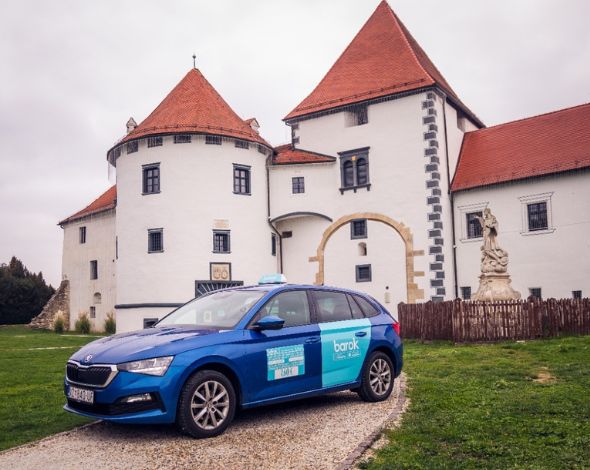
eCabs Technologies expands to Varaždin, its second Croatian city
Varaždin-based taxi operator is now using eCabs ride hailing software