


At its first quarterly report since its blockbuster IPO in December, Airbnb recorded a $3.89 billion ($3.2 billion) loss for Q4 2020 but emphasised that “travel is coming back”.
Despite the alarming quarterly loss, which brings the company’s annual loss to $4.6 billion (€3.78 billion), the company emphasises that its revenue was not as badly hit as some were expecting, down 22 per cent year-on-year in the quarter.
The company, which in 2019 was reported to host over 8,760 properties in Malta, looked to the future, saying “as the vaccine is rolled out and restrictions lift, we expect there will be a significant travel rebound”.
Airbnb’s priority, it says, “is to prepare for this travel rebound, perfecting [its] existing product by improving the entire end-to-end experience”.
The company also heralds its “strong financial discipline in 2020”, which meant it was able to reduce its operating expenses on a year-on-year basis in all categories.
Predictably, bookings were negatively impacted as the pandemic raged on, with Airbnb recording 30 per cent less in Gross Booking Value in 2020 than 2019.
In the year, the number of nights and experiences booked via the website fell 41 per cent compared to the year before, recording 193.2 million in 2020.
However, more than just expecting to benefit from a general travel rebound in 2021, the company expects to be especially well placed to cater to developments in tourism trends, as people aim to holiday with friends and family, and continue to prefer a domestic or local destination.
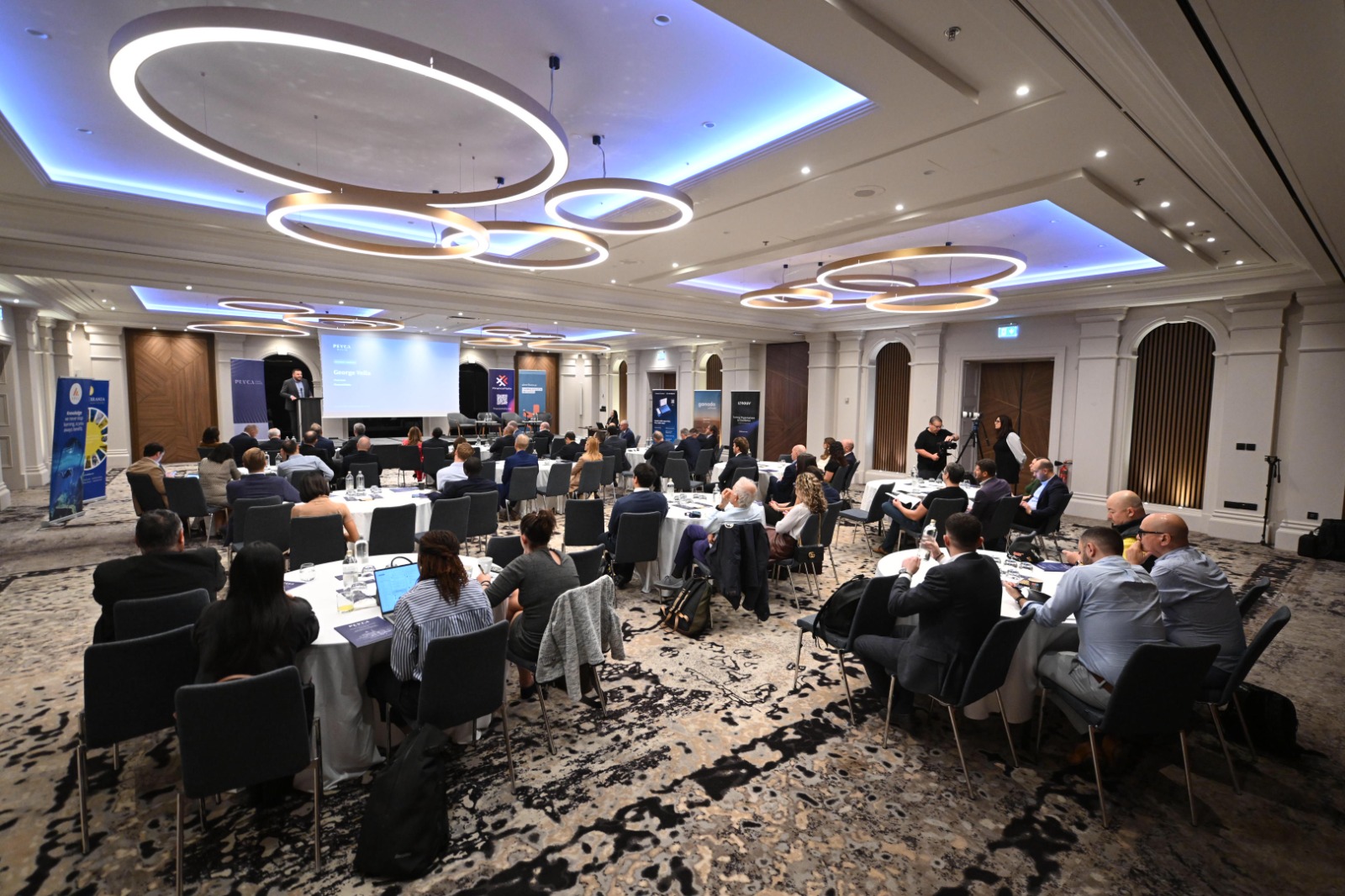
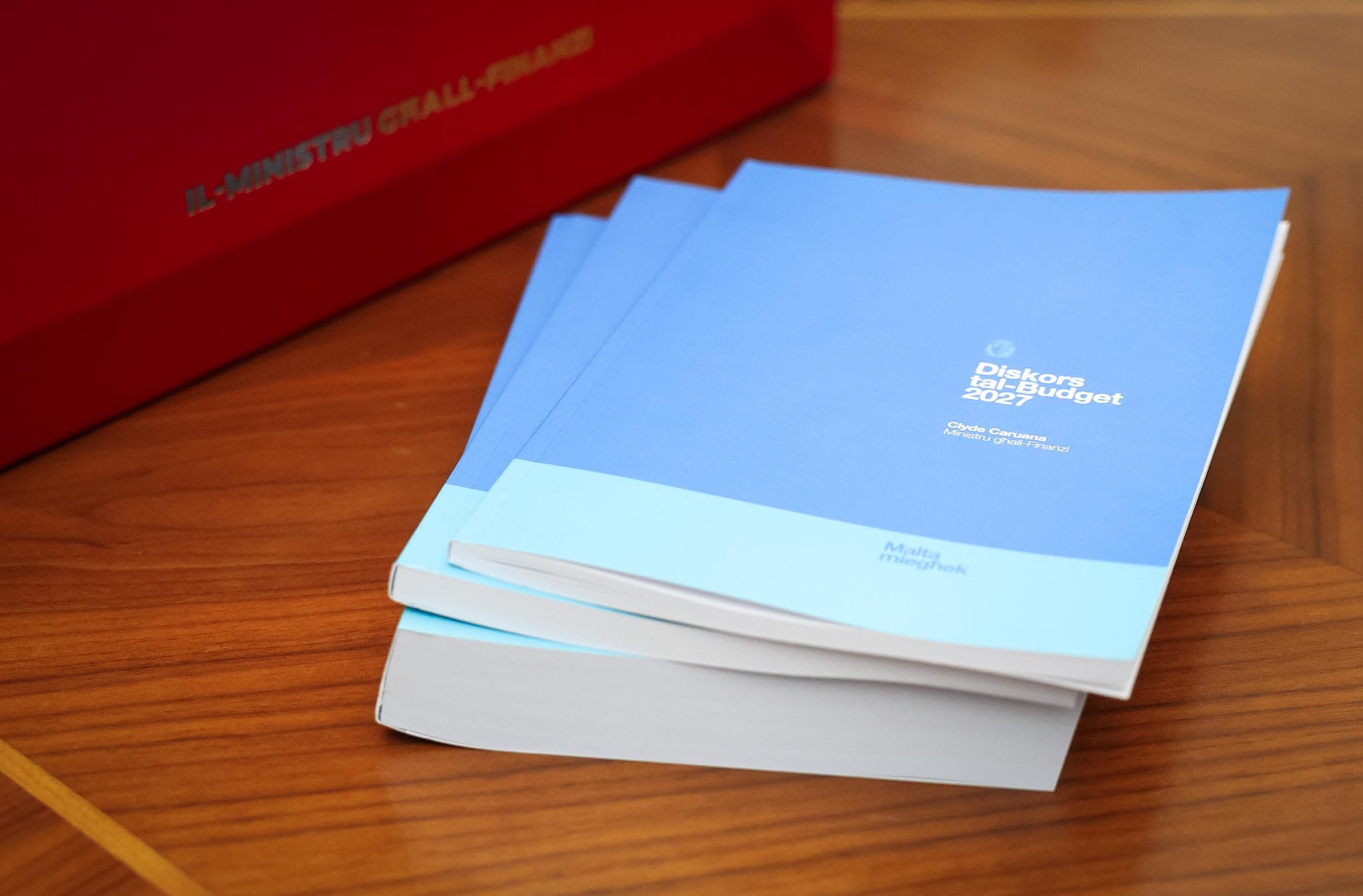
Malta’s business community reacts to Budget 2027
Mixed reactions to a budget with a raft of new taxes and fees targeting tourists and foreigners

Tax on reinvested earnings slashed to 25% for companies with under €1 million turnover
A reduction in the corporate tax rate has been a long-standing demand from the local business community
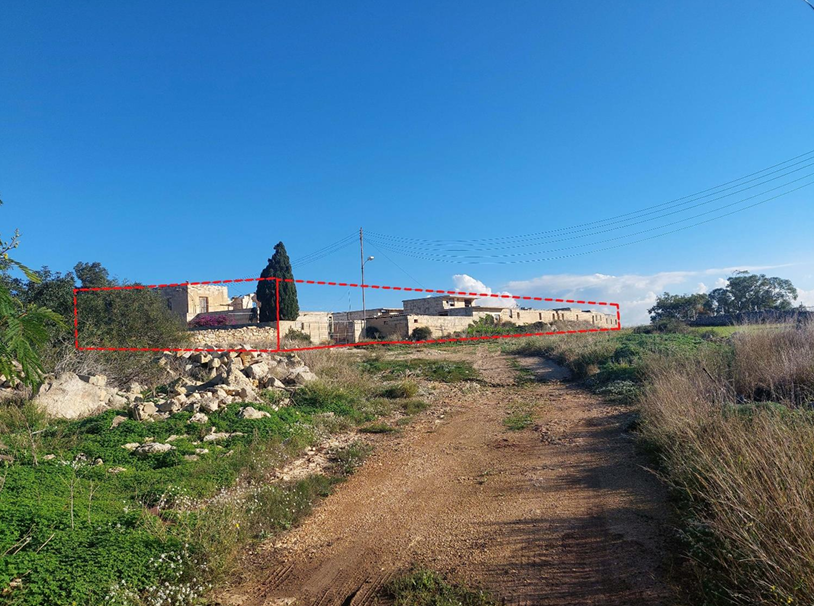
Bidnija ODZ land eyed for wellness centre as application gets approval recommendation
The proposal would see the disused livestock farm on the site demolished