


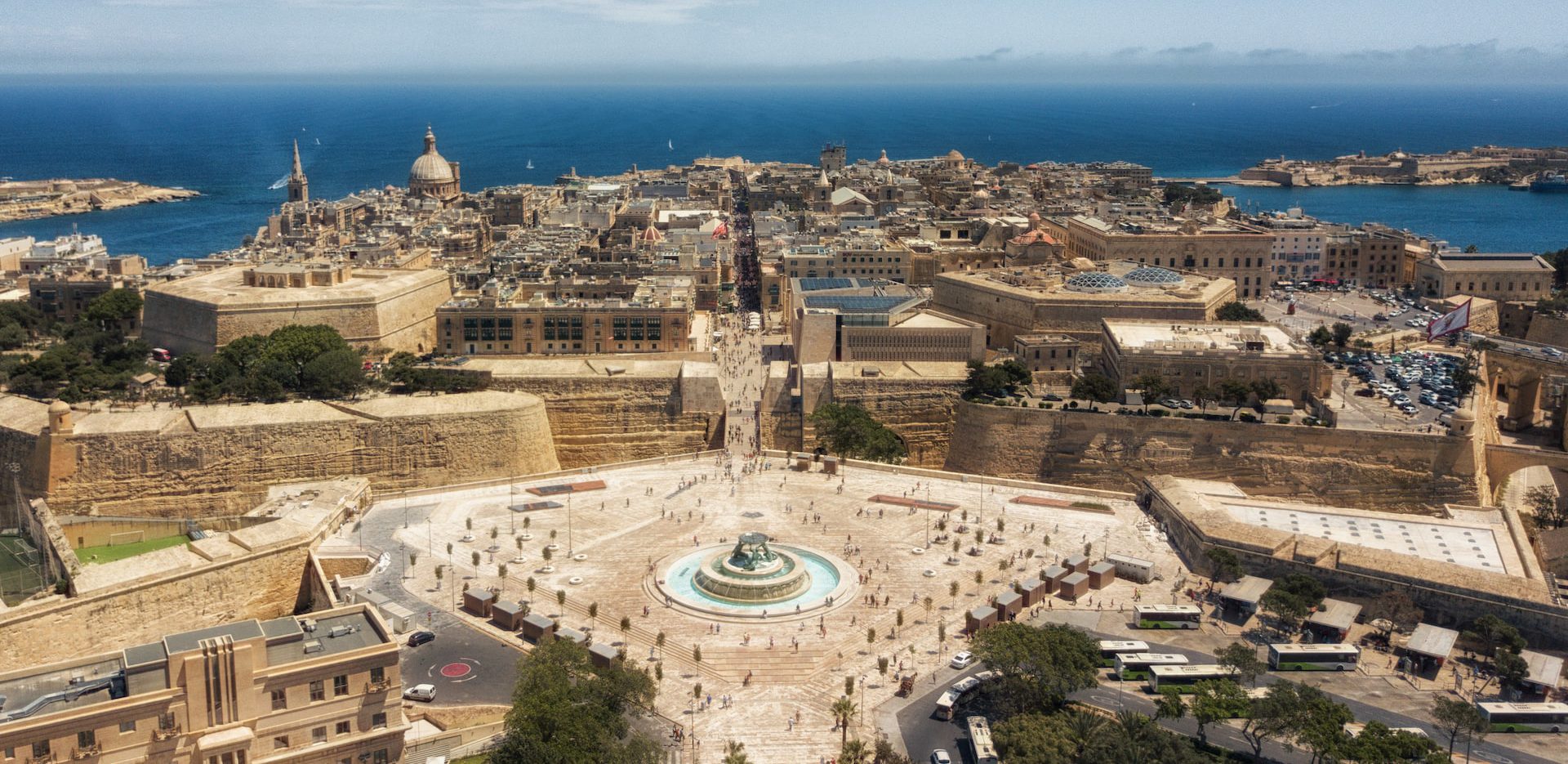
Residential permits were higher in May compared with their year-ago level. In June, the number of residential promise-of-sale agreements and the number of final deeds of sale were below those of a year earlier.
During the 12 months to May, Maltese residents' deposits increased due to higher balances belonging to households. On the other hand, deposits held by non-financial corporations and financial intermediaries decreased.
The Central Bank of Malta (CBM) has recorded smaller-than-average annual growth in Malta’s business activity, which declined over the previous month’s level.
The bank’s latest economic update provides a snapshot of the Maltese economy using the information available as at July 2024.
Both the European Commission's economic sentiment indicator and the employment expectations indicator for Malta rose in June but remained below their long-term average.
Price expectations increased across all sectors, bar the construction sector and among consumers. The largest increases were recorded in the retail sector and in industry.
Developments in activity indicators were mixed. In May, industrial and services production rose at a slower pace on a year earlier while retail trade contracted slightly.
Unemployment remained low from a historical perspective but rose marginally when compared with the preceding month and a year earlier.
Residential permits were higher in May compared with their year-ago level. In June, the number of residential promise-of-sale agreements and the number of final deeds of sale were below those of a year earlier.
During the 12 months to May, Maltese residents' deposits increased due to higher balances belonging to households. On the other hand, deposits held by non-financial corporations and financial intermediaries decreased.
Credit to Maltese residents continued to increase, reflecting higher lending to both the government sector and other sectors.
In June, the annual inflation rate based on the Harmonised Index of Consumer Prices (HICP) fell marginally to 2.2 per cent, while HICP excluding energy and food, remained below the euro area average. Meanwhile, according to the Retail Price Index (RPI), inflation in June decreased to 1.3 per cent from 1.5 per cent in May.
In May, the Consolidated Fund recorded a deficit, in contrast to the surplus recorded a year earlier, mainly due to the timing of recurrent outlays.
Tax cuts, AI incentives and infrastructure investment: What businesses want from Budget 2027
From corporate tax reductions and digitalisation grants to infrastructure investment and workforce development
Education system ‘stifles creativity’, Malta Employers’ chief says as association calls for ‘transformation’
Association's Director General says system is geared towards conformity

MFSA flags missing information in pension statements
Some pension statements omitted key details on investments, fees, contributions and account changes