


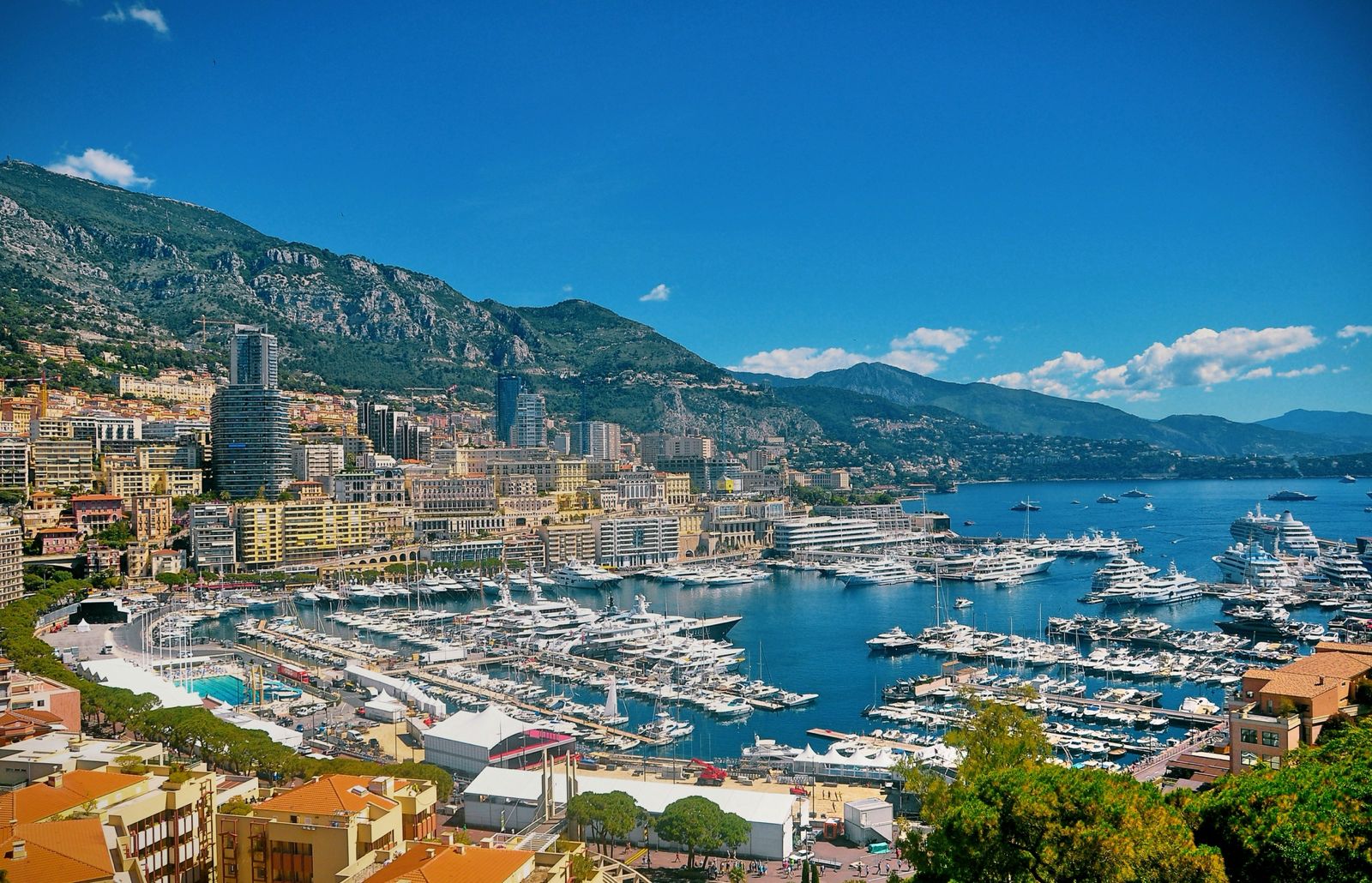
The European Union has added Monaco and Venezuela to its official list of high-risk countries for money laundering and terrorism financing, intensifying scrutiny on the wealthy Mediterranean principality and the politically volatile Latin American nation.
The updated list also includes Algeria, Angola, Côte d'Ivoire, Kenya, Laos, Lebanon, Namibia, and Nepal.
The decision, released after a week-long delay, raises fresh questions over the EU’s criteria and geopolitical motivations. Notably, Russia was again excluded from the blacklist, despite mounting pressure from lawmakers and evidence of illicit financial activity tied to Russian oligarchs in jurisdictions like Monaco. The global Financial Action Task Force (FATF), which the EU typically follows, has not blacklisted Russia - reportedly due to resistance from BRICS member states.
The inclusion of Monaco is especially significant. Known for its opulence and discretion, the principality has faced mounting allegations of facilitating illicit financial flows. Advocacy groups, including the Global Magnitsky Justice Campaign, claim millions in illegal Russian funds have been parked in Monaco with little regulatory pushback.
In contrast, the United Arab Emirates and Gibraltar were removed from the list, a move drawing criticism from several members of the European Parliament. The UAE provided written assurances to bolster judicial cooperation with the EU and Europol, helping to ease opposition ahead of potential trade negotiations.
Still, critics like German Greens MEP Rasmus Andresen warn the UAE has not made adequate progress, cautioning that delisting could enable illicit financial inflows into the EU.
As the European Commission prepares to face lawmakers in upcoming sessions, political and financial tensions are expected to persist, particularly as the EU balances diplomatic ambitions with efforts to shield its financial system from global money laundering risks.
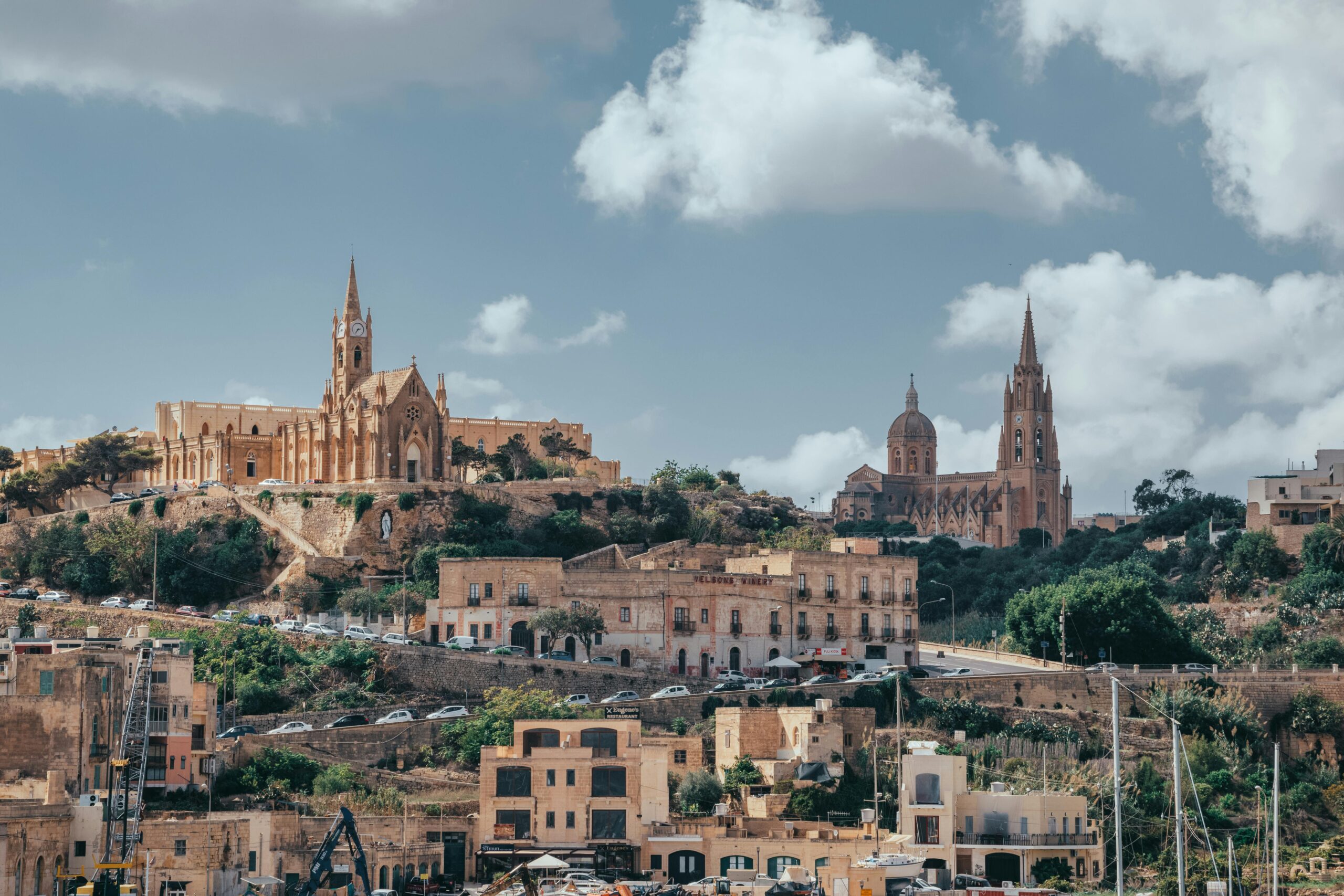

Yael Foundation Names Madrid’s Ibn Gabirol a Model of Academic Excellence
Yael Foundation gave its Academic Excellence Award to Madrid's Ibn Gabirol school
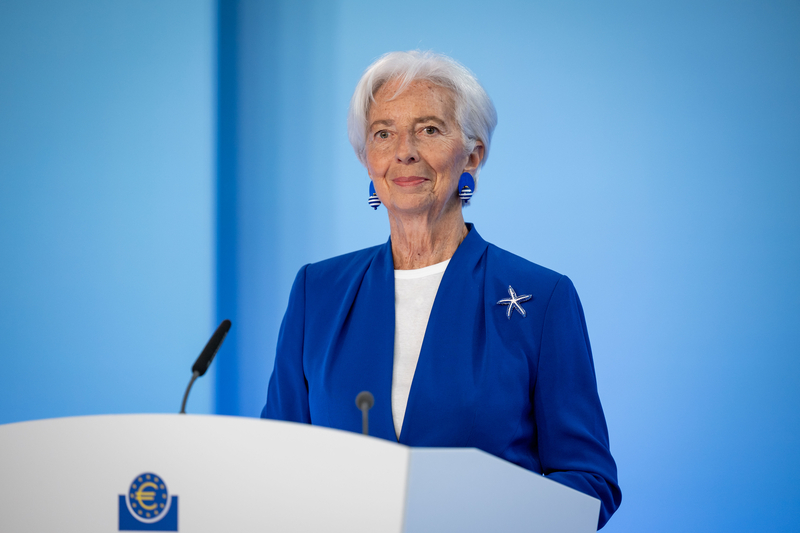
European Central Bank raises interest rates as Iran war generates inflation pressures
Eurosystem staff revised up their baseline projection for inflation in 2026 and 2027
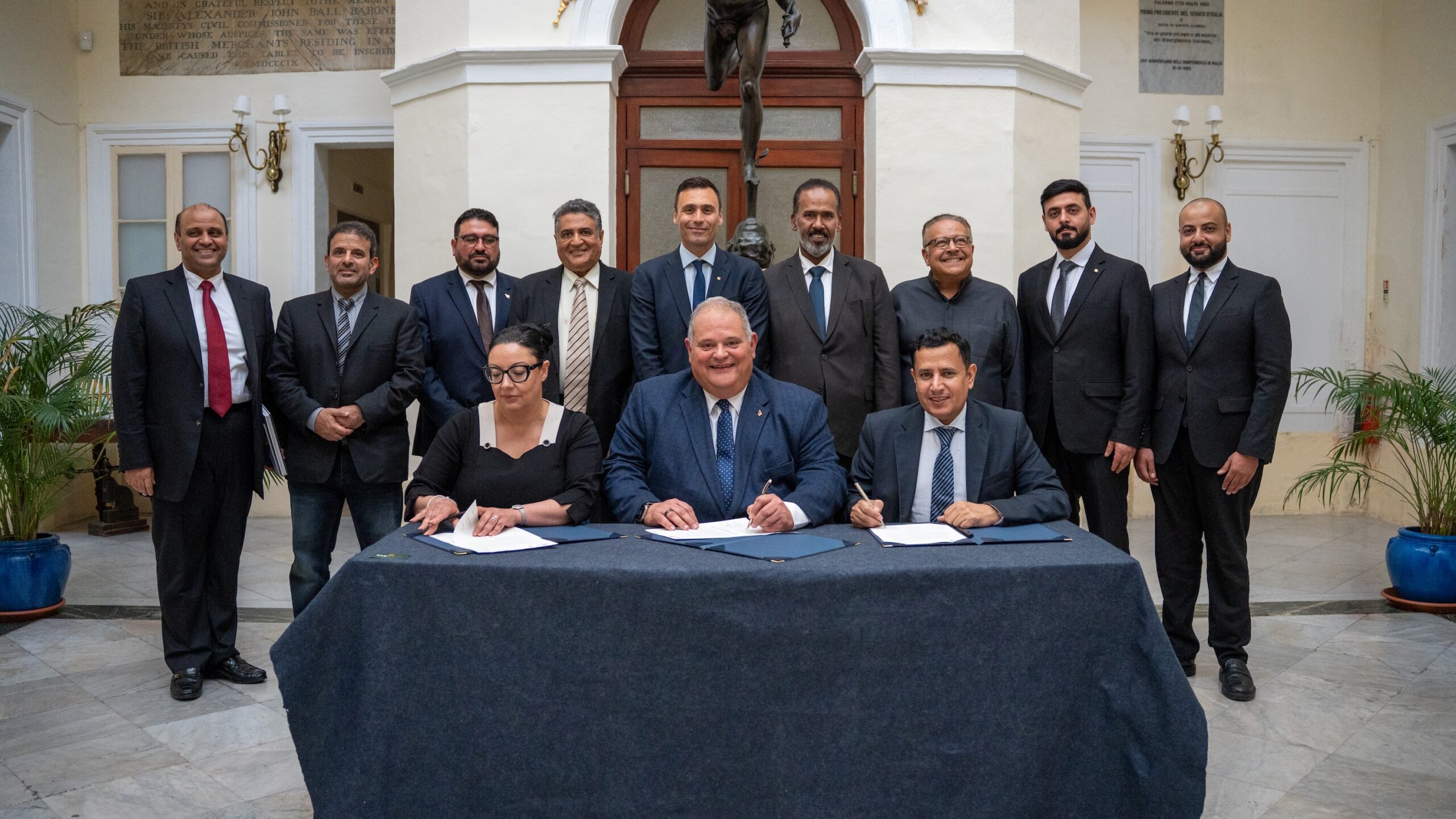
Malta and Saudi Arabia deepen commercial ties through Chamber MoU
The visit aims to support Maltese companies entering the Saudi market and a gateway for Saudi investment into Europe