



The European Parliament voted on Thursday to back talks with the European Council on a digital euro proposal that would offer citizens a secure way to reduce reliance on non-EU providers.
The digital euro would be a new, electronic form of money issued by the European Central Bank (ECB) and would work online and offline. It is a push for sovereignty from US payment giants which currently dominate the market.
With 416 votes in favour, 169 against and 22 abstentions for the creation of a digital euro, and by a show of hands approval for non-euro payment service providers, the European Parliament agreed to proceed to the next stage of the legislative process, for negotiations with the European Council to take place.
In a statement, the EU Parliament outlined some key points about its position. Among other things, there would be a cap on how many digital euros any individual could hold, to protect the financial system,
It also wants privacy safeguards to be built into the digital euro, and said that transactions would be verified without exposing personal data. Personal data would be processed only to the extent strictly necessary for the system to function, the EU Parliament said.
The EU Parliament’s position is that most businesses would be required to accept digital euro. “Exceptions would apply to the self-employed and small and micro enterprises that do not accept other digital payments.” It also wants basic services, such as opening an account and holding and managing funds, to be free of charge.
Its position is also that Euro area countries would be obliged to keep cash accessible, and that businesses would not be allowed to ban cash and member states would need to monitor cash availability regularly, with special attention to vulnerable groups.
It says that banks and payment service providers from non-euro EU countries would be allowed to distribute the digital euro.
Rapporteur Fernando Navarrete Rojas (from the EPP party) will be leading the EU Parliament’s negotiating team.
Mr Rojas previously said: “With the single currency package, we are protecting citizens’ freedom to choose how they pay. We are strengthening access to and acceptance of cash, while making central bank money available in digital form. The digital euro will complement cash, never replace it. No one should be forced away from cash, and no one should be left without a secure, resilient and genuinely European digital payment option.”
A first round of negotiations with the Irish Presidency of the Council, representing member states, is scheduled to take place shortly.
The European Central Bank believes that if EU lawmakers adopt the regulation in the course of 2026, the digital euro could be issued during 2029.


More than 50 startups collectively awarded €15 million in financial assistance
These businesses have created around 250 quality jobs, Government said
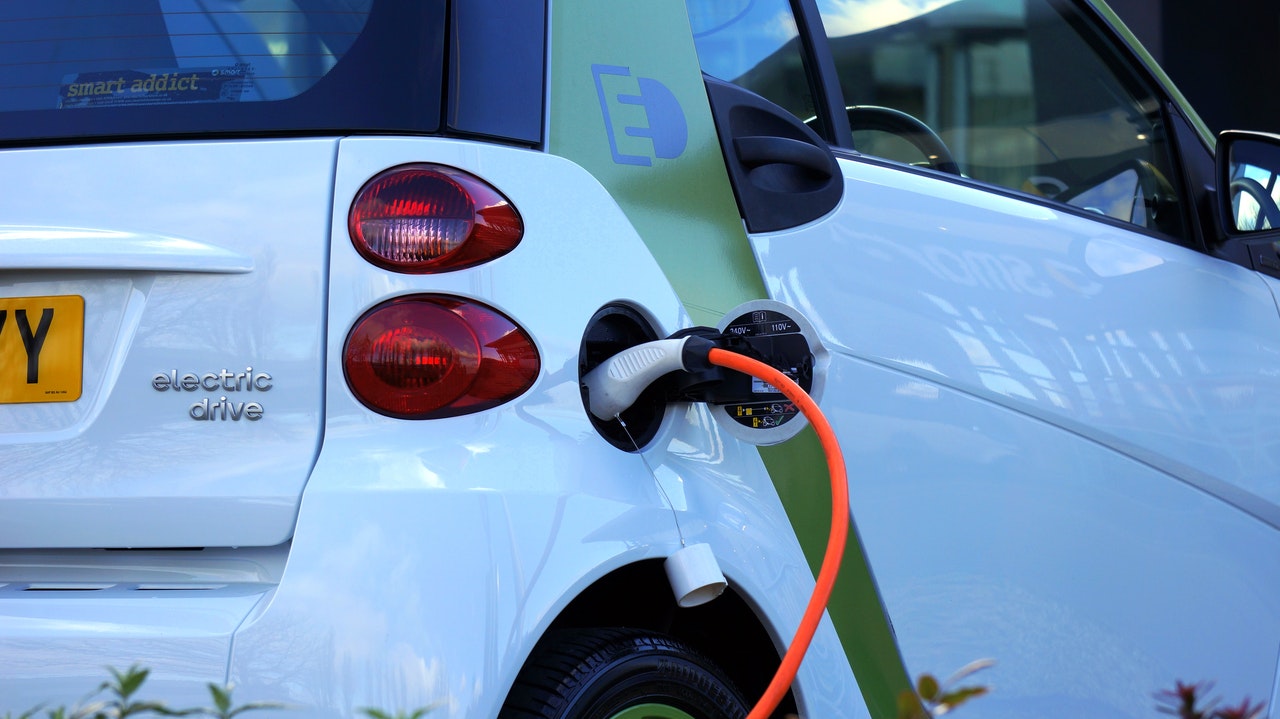
Insurers call for urgent clarity over EV disposal procedures while highlighting ‘practical difficulties’
Malta currently lacks suitable facilities for treating these batteries, association said

Working remotely abroad? Businesses warned of potential tax risks at Mobility Elite Summit
Working remotely abroad is not just a matter of finding a nice place