



The European Central Bank (ECB) has once again decided to hike interest rates by half-a-percentage-point. Recent shockwaves in the global banking system that led to the closure of a number of US banks and liquidity issues in a major Swiss bank do not seem to have phased the ECB’s determination to lower inflation.
Despite the recent jitters in the banking sector, the ECB’s statement read, “the euro area banking sector is resilient, with strong capital and liquidity positions. In any case, the ECB’s policy toolkit is fully equipped to provide liquidity support to the euro area financial system if needed and to preserve the smooth transmission of monetary policy.”
This new interest rate is set to come into effect on 22nd March 2023. It will result in the deposit facility interest rate rising to three per cent and marginal lending to 3.75 per cent. Refinancing operations will also increase to 3.5 per cent.
Tackling persistently high inflation is the main driver behind the ECB’s decision to raise interest rates again, saying that it “is projected to remain too high for too long.” Currently the eurozone inflation rate is 8.5 per cent, a long way off from the two per cent objective.
While the ECB’s macroeconomic projections were finalised before recent financial market tensions, they anticipate inflation to decline to 5.3 per cent in 2023, 2.9 per cent in 2024 and 2.1 per cent in 2025.
It cautioned that underlying price pressure remains high, with inflation still having increased in February when excluding food and energy prices. However it expects price pressure to dampen as the impact of past supply shocks and post-COVID-19 economic reopening subside.
Despite a tighter monetary environment, the ECB revised its economic growth projections for the euro area up, to one per cent, in part due to declining energy prices, and due to greater economic resilience.
It also expects economic growth to increase to 1.6 per cent in 2024 and 2025, underpinned by a robust labour market, improving confidence and a recovery in real incomes.
What does it mean for consumers?
Higher interest rates make borrowing more expensive and saving more attractive, as a result reducing consumer demand for goods.
Thus far Malta remains relatively insulated from the effects of the rapid increases the eurozone central banks are forcing through, as local banks have kept their interest rates unchanged thus far. Since most local banks largely finance their lending from customer deposits, the impact of the ECB’s interest rate increases filter through slowly, if at all.
However, it might be a matter of time at this point before local banks might start taking action of their own.


Digital euro could eliminate refund delays, says ECB
ECB officials say 'conditional payments' could transform everyday transactions

How Mediterrania Capital Partners is bridging private equity and public markets to unlock Africa’s potential
ASEF is reshaping how institutional investors think about Africa’s public markets: a growth engine and a diversifier in global portfolios
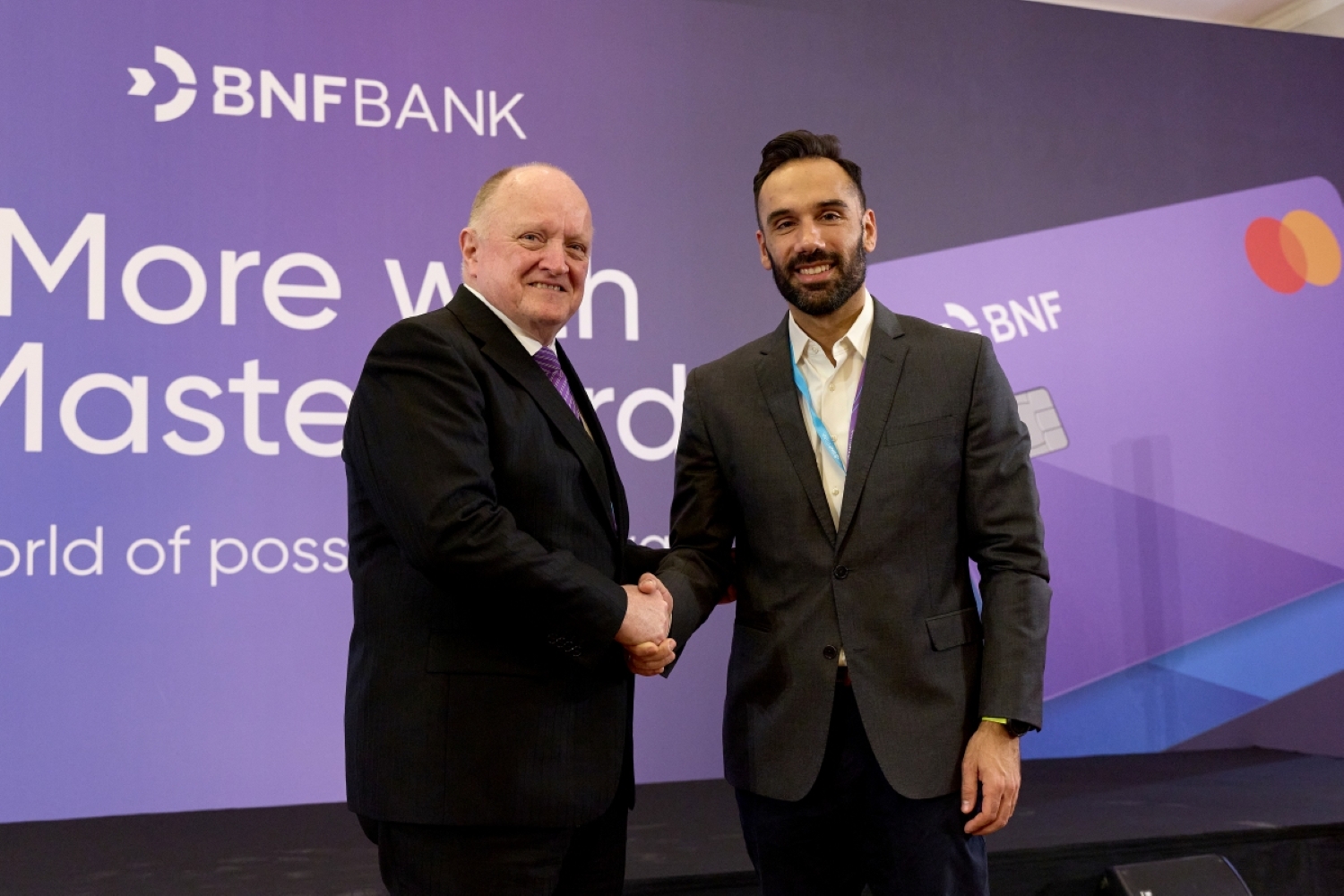
BNF Bank and Mastercard partner to bring added value to Maltese customers
Collaboration enhances everyday banking through exclusive experiences, rewards, and innovative payment solutions