


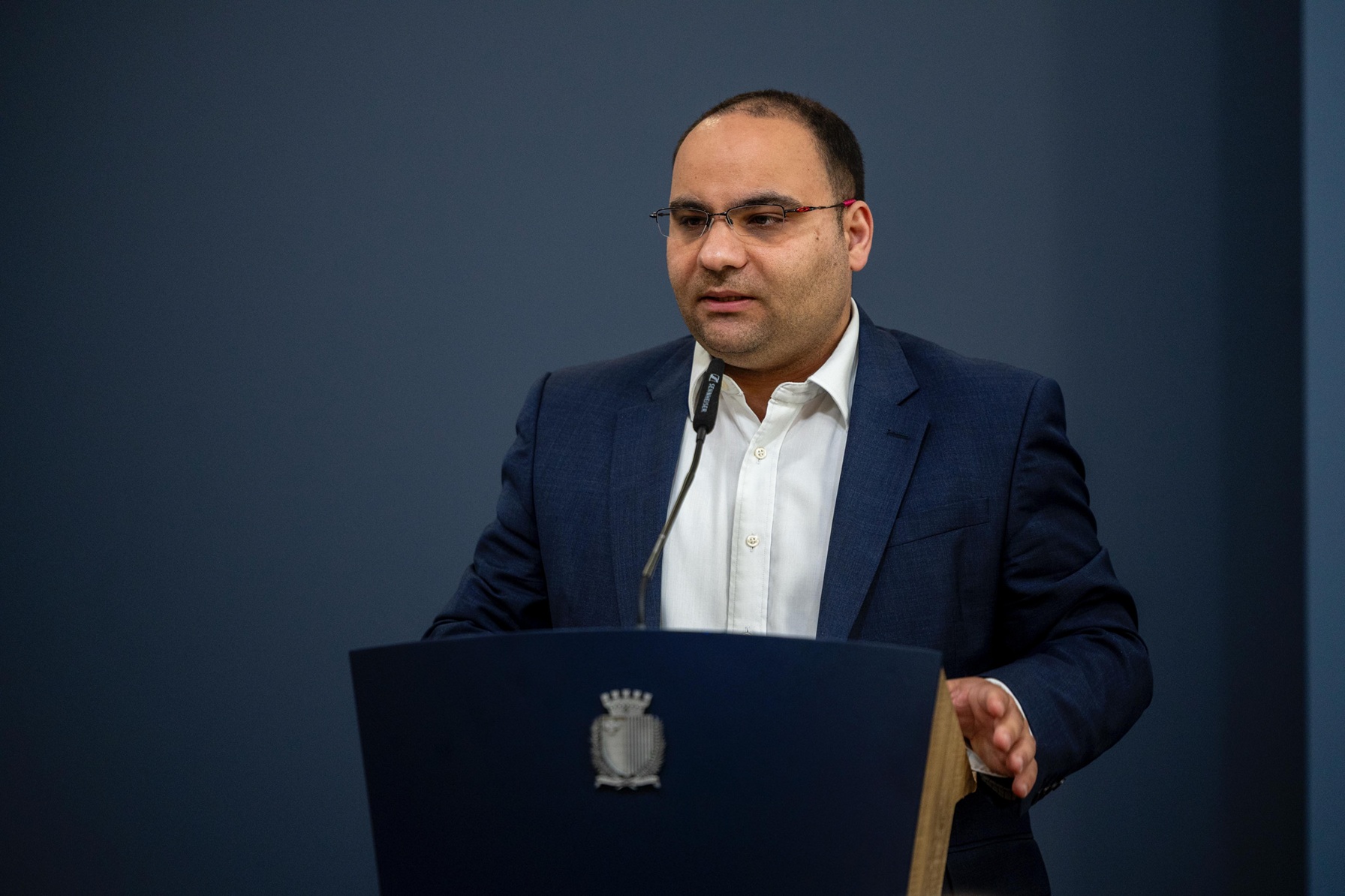
Finance Minister Clyde Caruana has dismissed the idea of a four-day work week for the time being, citing concerns over productivity and the significant costs it would impose on the economy.
Speaking in response to questions from Paul Abela of the Chamber of SMEs at a Times of Malta pre-budget event, Minister Caruana emphasised that while he understands the appeal of more leisure time, a shorter working week is not feasible under current conditions.
“Money doesn’t fall from the sky,” he said, stressing that the public sector alone would face a bill of €360 million, not to mention the impact on private businesses.
Minister Caruana added that any reconsideration of a shorter work week would hinge on a substantial increase in productivity. “When productivity goes up, I would consider it, but not now,” he noted.
This is not the first time Minister Caruana has voiced this position, having repeatedly stressed that productivity must increase before any such reform can be considered.
Opposition Leader Alex Borg recently floated the idea of trialling a four-day work week within the public sector, which quickly sparked public debates.
Dr Borg’s proposal – to pilot the concept in select Government departments before considering wider adoption – was met with immediate pushback from the Malta Employers Association (MEA), which called it an “unrealistic populist proposal” amid the country’s ongoing labour shortages.
The Malta Chamber also warned that a shift to a four-day week could have significant implications for productivity, output, labour costs and competitiveness, particularly in sectors dependent on physical presence such as manufacturing, hospitality, healthcare and care homes.

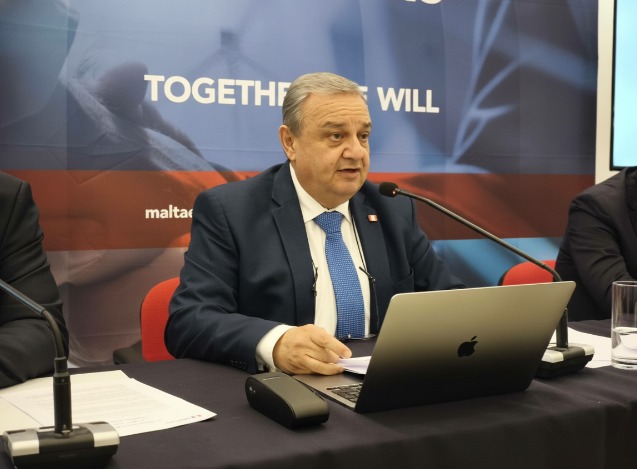
Education system ‘stifles creativity’, Malta Employers’ chief says as association calls for ‘transformation’
Association's Director General says system is geared towards conformity

MFSA flags missing information in pension statements
Some pension statements omitted key details on investments, fees, contributions and account changes
Budget should support sustainable economic growth, promote financial stability – BOV
Maintaining a stable and predictable business environment, encouraging investment in productivity remain important, it said