


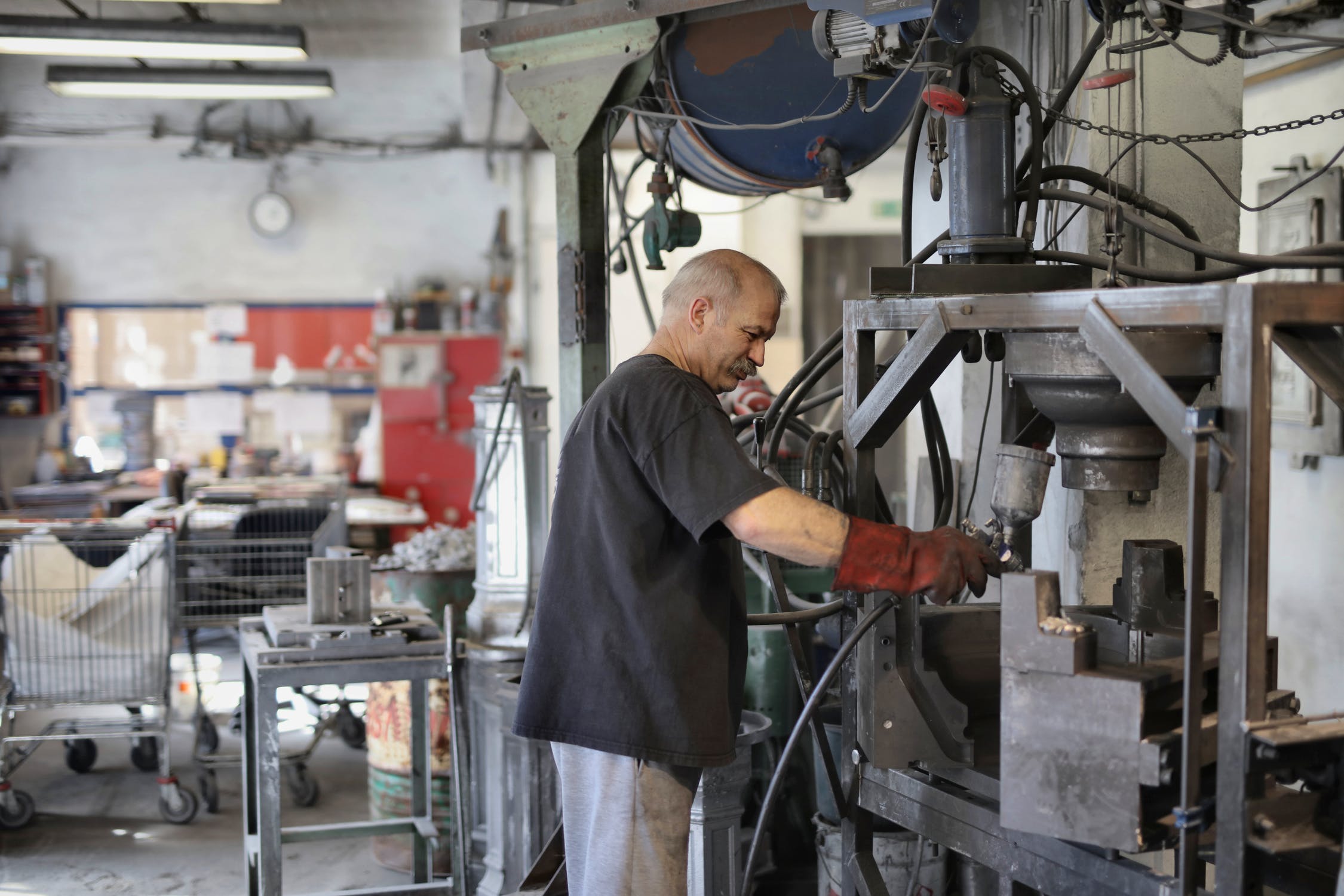
Industrial activity in Malta registered a notable slowdown in the third quarter of 2025, with both hours worked and gross wages and salaries declining on a quarterly basis, according to new data published by the National Statistics Office (NSO).
Seasonally adjusted industrial hours worked decreased by 2.8 per cent, while industrial gross wages and salaries fell by 0.8 per cent compared to the second quarter of the year, the release shows.
These decreases occurred despite overall industrial employment remaining unchanged quarter-on-quarter, suggesting that the contraction stemmed from fewer hours being clocked rather than workforce reductions.
Hours worked decline across key segments
Data indicates that reductions in hours worked were felt across several main industrial groupings, with the total industry index falling from 104.7 in Q2 to 101.8 in Q3 – a 2.8 per cent drop .
Intermediate goods and consumer goods producers saw decreases of 3.3 per cent and 2 per cent respectively, while hours worked in the capital goods segment dropped by 4 per cent. The most pronounced fall was recorded in the energy sector, where hours worked declined by 10.4 per cent compared to the previous quarter.
The data suggests a broad-based moderation in operational activity heading into the second half of the year.
Gross wages dip slightly overall
The decline in working hours coincided with a 0.8 per cent quarterly reduction in seasonally adjusted gross wages and salaries.
Wages and salaries fell from an index level of 127.6 in Q2 to 126.6 in Q3, driven by decreases in intermediate goods (–2.2 per cent), capital goods (–1.8 per cent), and durable consumer goods (–5.8 per cent). The energy sector, despite the sharp drop in hours worked, registered an increase in wages of 17.1 per cent on an annual working-day adjusted basis – though this reflects year-on-year comparisons rather than quarterly performance.
While industrial turnover rose by 1.5 per cent year-on-year, the sector also posted a 2.1 per cent quarterly decline when seasonally adjusted, reflecting softening demand conditions across certain categories.
Consumer goods turnover fell by 4.2 per cent quarter-on-quarter, while capital goods declined by 2.5 per cent. Only intermediate goods and energy recorded quarterly growth of 4.9 per cent and 1.3 per cent respectively.
The simultaneous drop in hours worked and wages may indicate a period of adjustment following stronger activity earlier in the year. With industrial employment stable, firms appear to be retaining staff but adjusting labour inputs in response to shifting order volumes and cost dynamics.

Financial knowledge alone is not enough to improve financial wellbeing, experts warn
Experts are discussing how financial education can be translated into better financial decisions
Tourism intensity climbs as Malta’s effective population tops 670,000 in August
During August 2025, St Julian’s tourism intensity reached 143 tourists per 100 residents

Millions in taxable income declared by 81 companies with no employees
Tax declared by US multinationals in Malta rose to €118 million in 2024, up from €24.7 million in 2020