


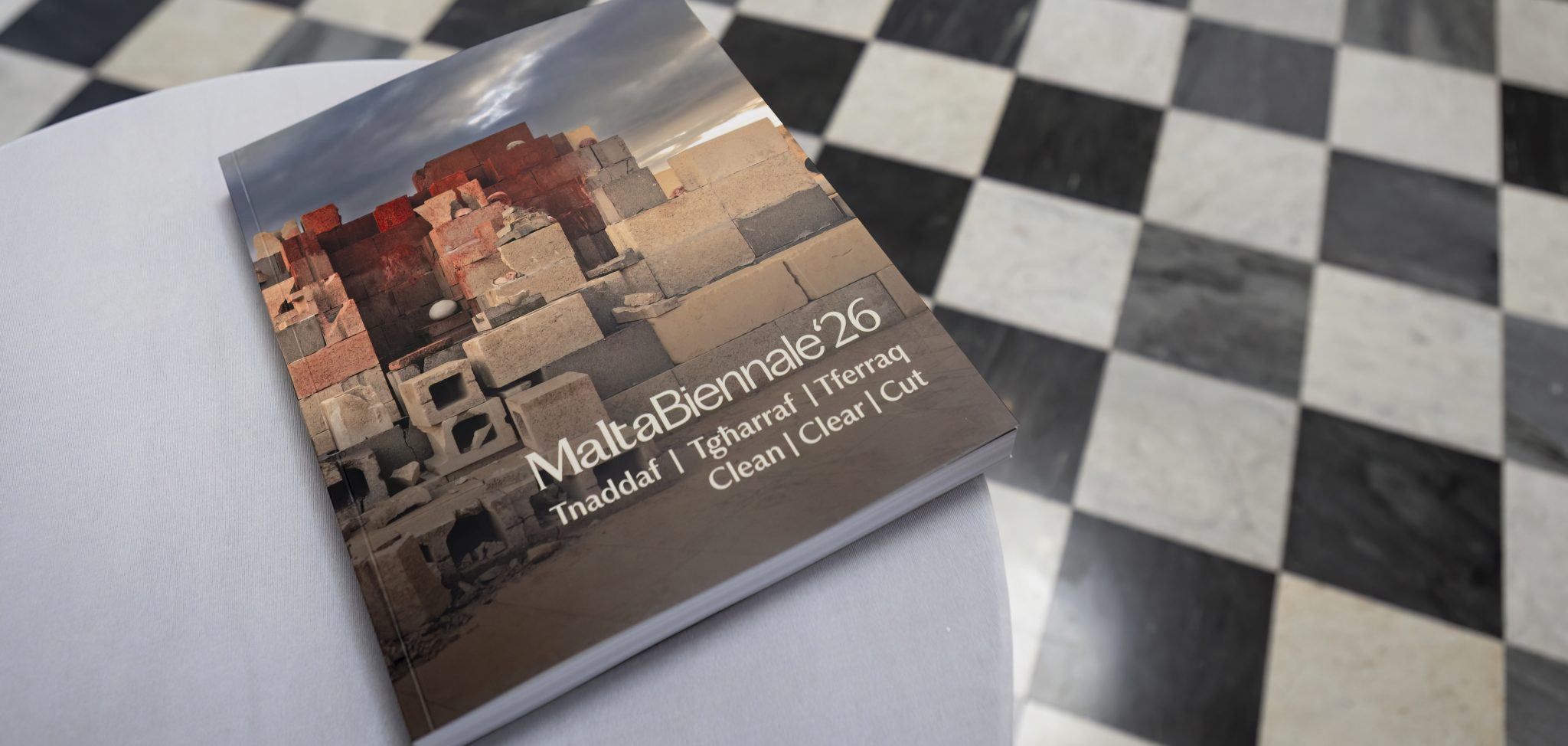
The Malta Biennale has strongly defended the success of its 2026 edition following criticism from the Malta Entertainment and Arts Association (MEIA), arguing that the contemporary arts festival continues to grow in international stature and participation.
However, while the Biennale's response focuses heavily on visitor numbers, international recognition and organisational growth, it does not directly address the specific concerns raised by MEIA regarding participant relations, contractual processes, communication issues and delayed payments.
In a statement issued on Thursday (today), Malta Biennale accused MEIA of consistently seeking to "publicly tarnish" the event through what it described as a "vague list of alleged shortcomings that are never substantiated".
The organisation said the second edition of the Biennale, held between March and May, was more successful than its inaugural 2024 edition and had laid the groundwork for the next event scheduled for 2028.
It also defended the recent establishment of the Malta Biennale Foundation within Heritage Malta, a move that MEIA had questioned, arguing that a transparent review of the 2026 edition should take place before new structures are created.
"Whatever happens within the Malta Biennale, MEIA appears determined to oppose it," the Biennale said.
The organisation pointed to increased numbers of participating artists, curators and pavilions, as well as higher visitor attendance and international media attention, as evidence of the festival's growing success.
It further noted that independent studies and surveys are conducted following each edition to assess strengths and areas for improvement, adding that it remains open to "ideas and constructive criticism intended to strengthen and improve this Maltese international contemporary art festival."
Yet the statement stops short of addressing the issues that formed the basis of MEIA's criticism.
Earlier this week, MEIA called for a transparent review of the Biennale's governance and operational structures, saying it had received reports from Maltese and international artists and cultural organisations regarding contractual processes, delayed payments, unresolved commitments, communication difficulties, professional conduct and participant relations.
The association also claimed it had repeatedly attempted to engage with Heritage Malta President Mario Cutajar, the Biennale's Executive Board and its Artistic Director regarding these concerns but had not received a response.
MEIA further alleged that as the Biennale drew to a close, additional concerns emerged relating to outstanding payments, unresolved contractual commitments and alleged contractual breaches affecting participants.
While Malta Biennale's latest statement challenges MEIA's overall criticism and highlights the festival's achievements, it does not specifically comment on the allegations concerning payments, contracts, participant treatment or communication failures.
Featured Image:
Malta Biennale 2026 Catalogue / maltabiennale.art

German court clears use of breached MGA documents in reporting, Lilith Wittmann says
The MGA has previously rejected the suggestion that its legal measures were intended to silence or intimidate her
Enemalta advances plans for new Malta-Gozo interconnector
This follows a €45 million general election pledge for a Malta-Gozo high-voltage link
MDIA to assess potential for new research and innovation network in Gozo
Research is intended to provide an assessment of how a future research and innovation ecosystem in Gozo could be structured