


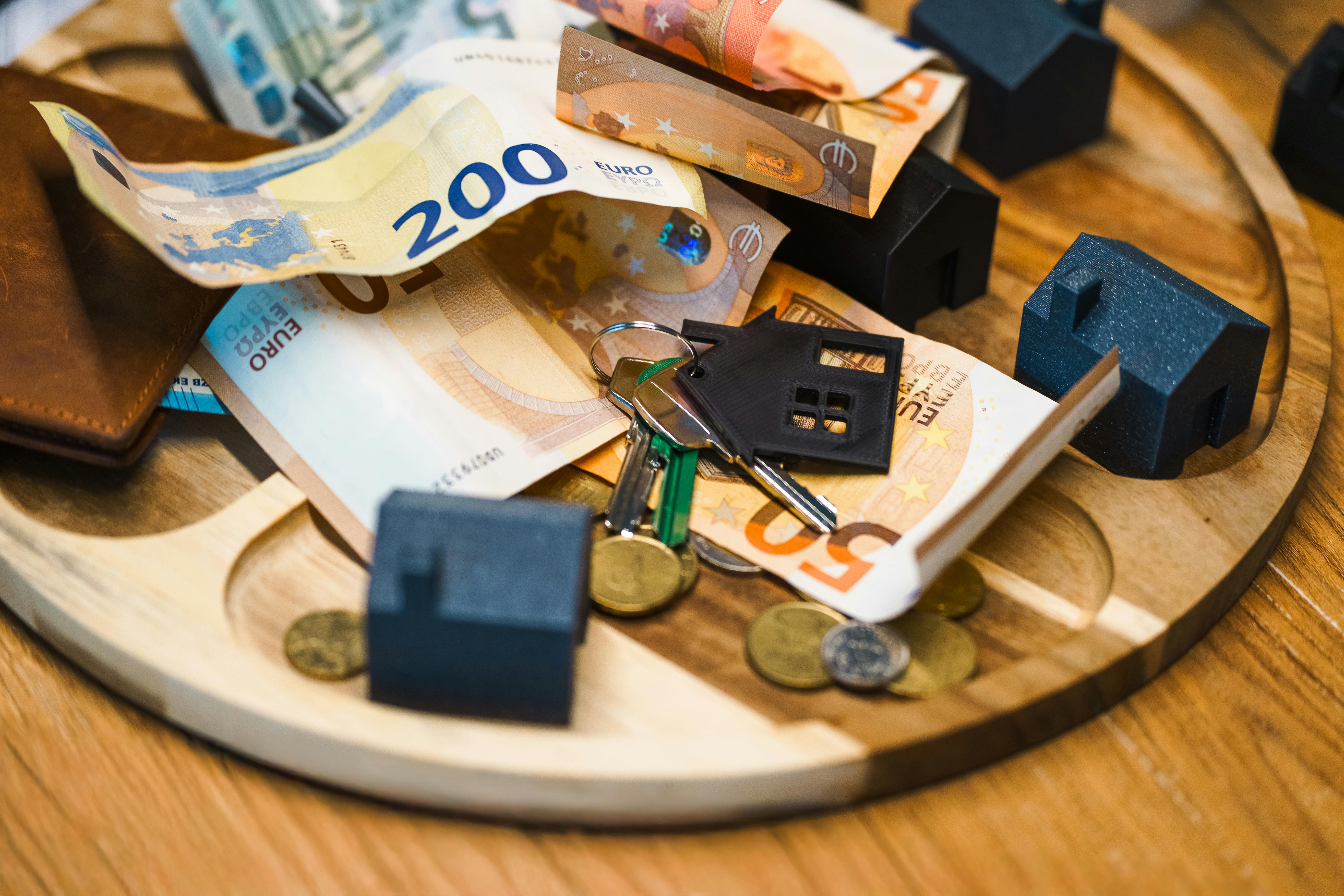
In an increasingly digital Europe, the feel of banknotes and the jingle of coins remain the dominant soundtrack to daily commerce in Malta. A recent Eurostat survey confirms that the island nation has the tightest grip on cash in the Eurozone, with 67 per cent of all transactions settled physically.
This places Malta firmly at the top of the cash-use chart, followed by Slovenia (64 per cent), Austria (62 per cent), and Italy (61 per cent). The contrast across the bloc is stark: while just over half (52 per cent) of all eurozone transactions are in cash, this plummets to just 22 per cent in the Netherlands, the region's lowest user.
Why cash is still king in Malta
The reasons for Malta's affinity for cash are deeply rooted. For years, high merchant fees meant many small businesses flatly refused card payments for sums under €10, forcing customers to carry cash for everyday small purchases like a pastizz or a coffee.
This habit has been hard to break. According to the Central Bank of Malta, a remarkable 85 per cent of respondents in a recent study said they always carry cash, and most daily transactions are still completed with physical currency.
Beyond convenience, Europeans, including Maltese, hold strong philosophical views on cash. In a Eurostat survey, the top-perceived advantage was that "cash is anonymous and protects privacy" (41 per cent). Others believed it helps them be "more aware of their expenses" (35 per cent) and valued that "transactions are immediately settled" (30 per cent).
The digital shift
Despite its cash-heavy crown, Malta's payment landscape is changing. The barriers that once protected cash are beginning to loosen.
In recent years, increased competition in point of sale systems meant that businesses could choose those with lower merchant fees. Now, most supermarkets, popular chains like The Convenience Shop, restaurants, and fuel stations readily accept digital payments for any amount, no matter how small.
The most explosive growth, however, has come from fintech. The prevalence of Revolut has skyrocketed, with many small businesses now offering a Revolut QR code as an alternative if a customer is short on cash. The scale of this shift is monumental: in 2024, monthly business-to-business usage of Revolut in Malta reached over €300 million - a new national record that surpasses Greece's total by more than double, despite Greece having nearly 20 times Malta's population.
This generational divide is also clear. ECB data shows consumers under 40 use cash for less than half of their transactions, while those aged 65 and older complete 57 per cent of their payments with cash.
A push for protection
This transition is not without friction. As seen in Northern Europe, a growing number of Maltese businesses are experimenting with card-only models, leading to confusion over their legality.
The European Central Bank is now stepping into the fray, calling for stronger protections for cash. Piero Cipollone, an ECB Executive Board member, has stated that displaying “no cash” signs is "undesirable" and inconsistent with the legal tender status of euro cash. “Cash is the default means of payment and must be accepted unless both parties freely agree otherwise,” he asserted.
A 2024 article by BusinessNow.mt highlighted this legal grey area in Malta, with the Central Bank of Malta confirming that current laws do not explicitly prohibit businesses from refusing cash - though that could soon change as the EU clarifies its stance.
The message is clear: while the tide is turning towards digital, cash remains a vital and legally protected payment method.
Education system ‘stifles creativity’, Malta Employers’ chief says as association calls for ‘transformation’
Association's Director General says system is geared towards conformity

MFSA flags missing information in pension statements
Some pension statements omitted key details on investments, fees, contributions and account changes
Budget should support sustainable economic growth, promote financial stability – BOV
Maintaining a stable and predictable business environment, encouraging investment in productivity remain important, it said