



The European Commission has decided to refer Malta to the Court of Justice of the European Union (CJEU) for failing to properly apply EU law in relation to its recruitment system for port workers.
The case targets Malta’s long-standing regime, which heavily restricts access to the port labour market through a tightly controlled quota and authorisation process. At the core of the Commission’s concerns is a provision that gives preferential access to the sons, daughters, or close relatives of current or retired port workers, thereby limiting new entrants to a closed circle of individuals. Interestingly, the law was removed in 2007, but reinstated again in 2017.
According to the European Commission, this breaches fundamental principles enshrined in EU law, particularly freedom of establishment and non-discrimination on the basis of nationality.
Under current Maltese regulations, companies operating port services can only recruit from a Port Workers Register, which maintains a fixed complement of around 400 individuals. When a vacancy arises due to retirement, death, or medical board-out, the role must be filled from the Prospective Port Workers Register, which is restricted almost entirely to family members of existing or former port workers.
The Maltese law, which dates back to 1966, also allows workers over the age of 50 to request their registration be cancelled in favour of a child or, in certain cases, a sibling, reinforcing the hereditary nature of the system. In specific instances, such as when a worker dies from injuries sustained during port duties, the son or daughter is automatically eligible to be registered, provided they meet age, health, and character requirements.
This arrangement, the Commission argues, excludes many qualified Maltese and EU nationals from pursuing employment in the sector, erecting unjustified and disproportionate barriers that contravene the EU’s internal market rules.
Infringement process escalates
The decision to refer Malta to the CJEU follows the standard stages of an EU infringement procedure, which the European Commission initiates when a Member State is suspected of breaching EU law.
The process began with a letter of formal notice in 2022, requesting Malta to provide information and clarify its position. After evaluating Malta’s response, the Commission issued a reasoned opinion, a formal request to comply with EU law. Malta, however, failed to amend its legislation or demonstrate compliance, leading to the current escalation to the Court.
Most infringement cases are settled before reaching this stage. However, if the CJEU finds that Malta has indeed breached EU law and the country still fails to act, financial penalties may be imposed in the form of lump sums or daily fines.
The penalties are determined by the Court based on factors such as the severity of the breach, duration of non-compliance, and the country’s ability to pay, ensuring a deterrent effect.
The Government says that “as it has consistently done in the past years, the Government remains committed to defending its legislative framework – particularly the 2017 amendments to the Port Workers Regulations. These amendments were introduced to mitigate the negative side effects and potential legal challenges that arose from earlier reforms implemented following Malta’s accession to the European Union.”
The Government adds that it will continue to defend its position before the CJEU and remains confident in the legitimacy and proportionality of its legal framework.
Should the Court rule against Malta, national authorities will be legally obliged to amend the recruitment regime in line with EU rules.
If they fail to do so, a second referral may follow, this time accompanied by a proposed financial penalty.

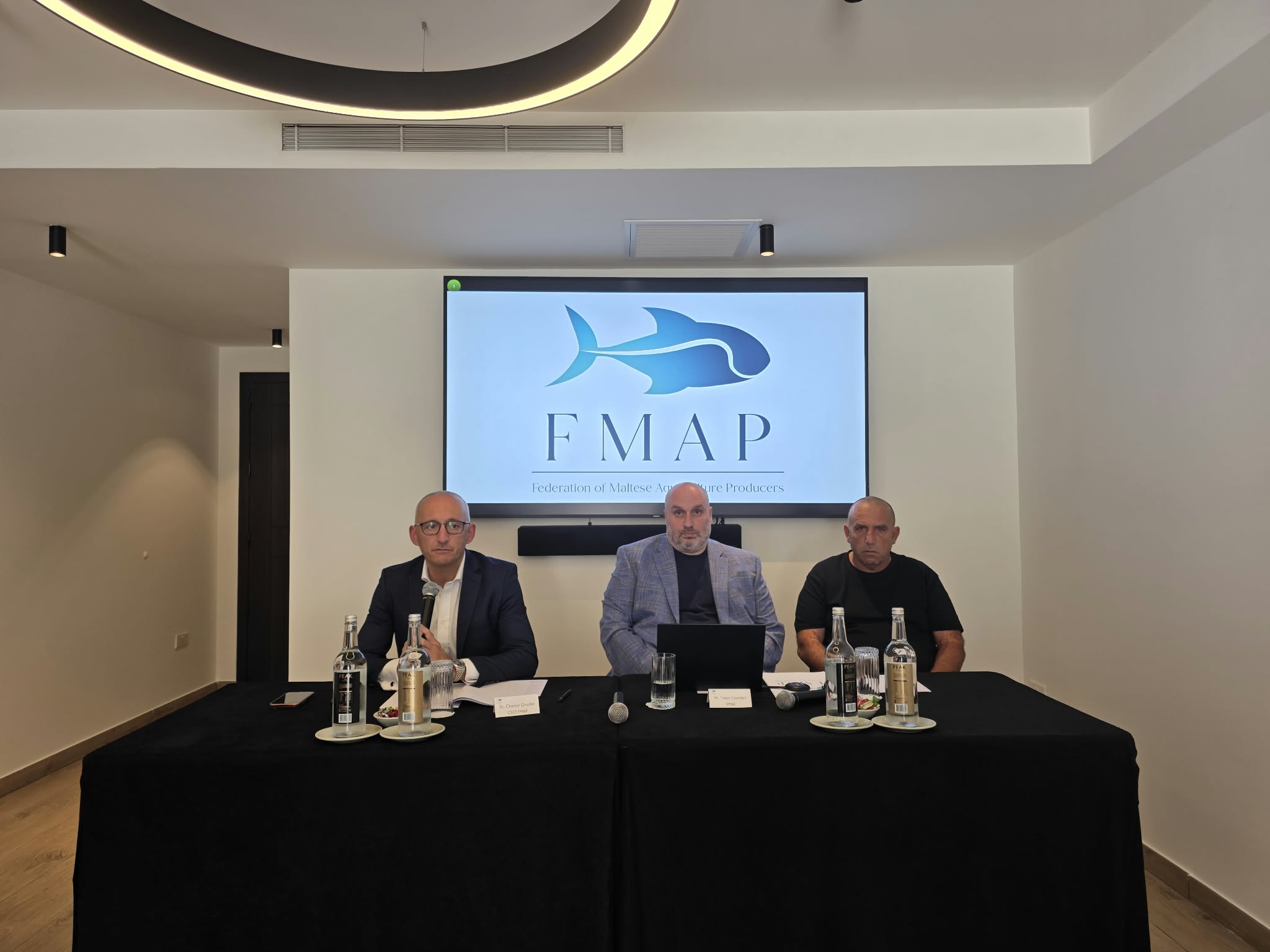
Aquaculture federation CEO hails cleanup campaign a success as 25,500 litres of oily liquid collected
Charlon Gouder said the industry had registered a notable improvement in coastal water conditions this summer
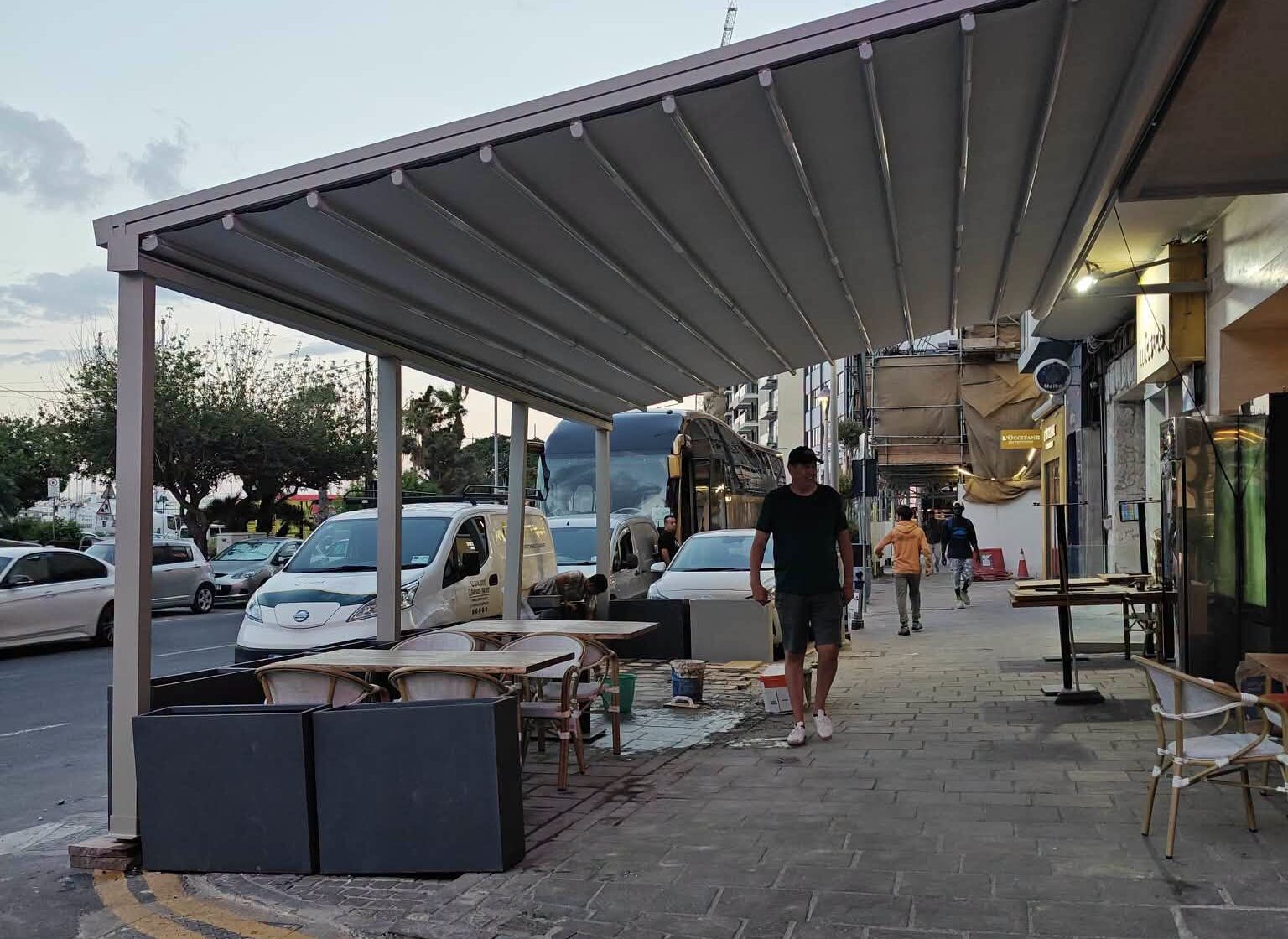
PA orders immediate removal of unauthorised structure outside Piccolo Padre in Sliema
The restaurant is owned by Carlo Stivala and is the first expansion since it was set up in Balluta
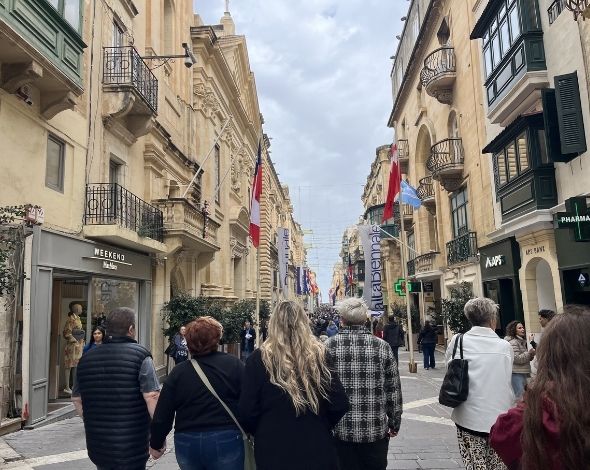
High rents are killing small retail businesses in Valletta, shop owner says
'When you have high rents with low margins, it’s no wonder so many retail shops are leaving Valletta,' she said