


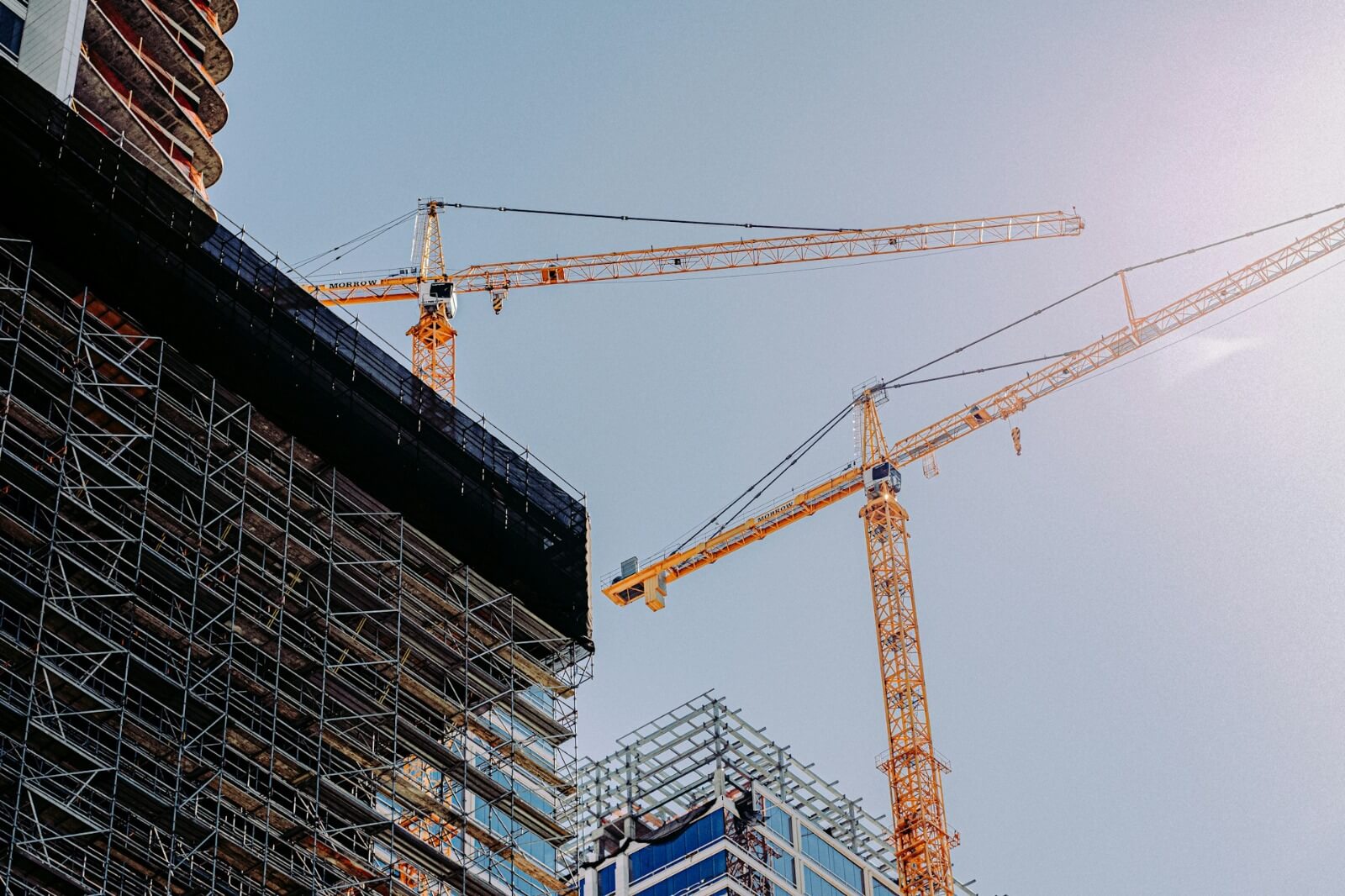
Under Malta Vision 2050, the country’s construction industry is set to undergo a significant transformation – one that prioritises quality over quantity, resilience over rapid expansion, and sustainability over short-term gains. The national blueprint sets a clear tone: Malta’s future development must be people-centric, environmentally conscious, and structurally sound.
After years of intensive building and ongoing public debate around planning and urban liveability, the construction sector is being tasked with rebuilding trust and aligning its practices with Malta’s long-term goals. For the business community, this represents a strategic shift – and a clear invitation to innovate.
A shift in mindset
Rather than focusing on continued expansion into new land, Malta Vision 2050 calls for a pivot towards urban regeneration, adaptive reuse, and smarter spatial planning. This includes:
- Prioritising renovation over demolition, particularly in older urban areas;
- Encouraging the redevelopment of vacant or underused buildings;
- Aligning new construction with the principles of the circular economy, reducing material waste and promoting more sustainable design.
This approach is designed to tackle not only environmental concerns, but also community fatigue with overdevelopment and poor aesthetics in urban areas.
Smart land and sea usage
Construction is also tied closely to one of the four core strategic pillars of the Vision: Smart Land and Sea Usage. This pillar promotes efficient, sustainable use of Malta’s limited space, with construction policy serving as a lever to:
- Safeguard green and marine areas;
- Introduce more stringent planning controls;
- Support high-quality infrastructure that benefits both businesses and residents.
In practice, this will likely mean stricter oversight on new projects, more integration between planning authorities and environmental regulators, and a stronger push for holistic design thinking.
Raising standards across the industry
The Vision makes clear that quality, safety, and professionalism must define Malta’s construction sector moving forward. Proposed reforms include:
- Stronger licensing and oversight mechanisms for contractors and developers;
- Improved construction site safety standards, with zero-tolerance for violations;
- Promoting architecture and design excellence, with a focus on aesthetics, durability, and climate resilience.
These changes aim to elevate the sector’s reputation, both locally and abroad, while ensuring better outcomes for all stakeholders – including investors, homeowners, and tenants.
Green building and energy efficiency
In line with broader EU climate goals, Malta Vision 2050 calls for construction to become a driver of environmental sustainability. This includes:
- Promoting energy-efficient buildings and retrofitting existing stock to meet higher environmental standards;
- Incorporating green technologies, such as solar integration, passive cooling, and water-saving infrastructure;
- Incentivising the use of low-carbon materials and construction techniques that minimise waste and emissions.
Green building certifications and ESG-aligned development may soon become prerequisites for major projects, particularly those seeking public support or financing.
Labour force and skills challenges
The Vision acknowledges that the construction sector will need to upskill its workforce and reduce reliance on low-wage, low-skill labour. Key steps include:
- Reviewing third-country national recruitment practices to prevent labour oversupply and ensure workforce alignment with actual demand;
- Offering training in modern construction techniques, digital tools (such as BIM), and green building standards;
- Encouraging diversity and inclusion by opening up the industry to underrepresented groups through apprenticeships and incentives.
Workforce reform is seen as essential to both raising industry standards and improving the perception of construction as a viable, respected career path.
Strategic infrastructure with long-term value
Finally, Vision 2050 highlights the importance of construction in delivering strategic national infrastructure – not just roads and buildings, but future-proofed assets that support economic growth, mobility, and energy resilience. These may include:
- Transport hubs and multi-modal logistics facilities;
- Green and blue infrastructure, such as stormwater systems, nature parks, and coastal protection;
- Public spaces and cultural landmarks that enhance Malta’s identity and visitor appeal.
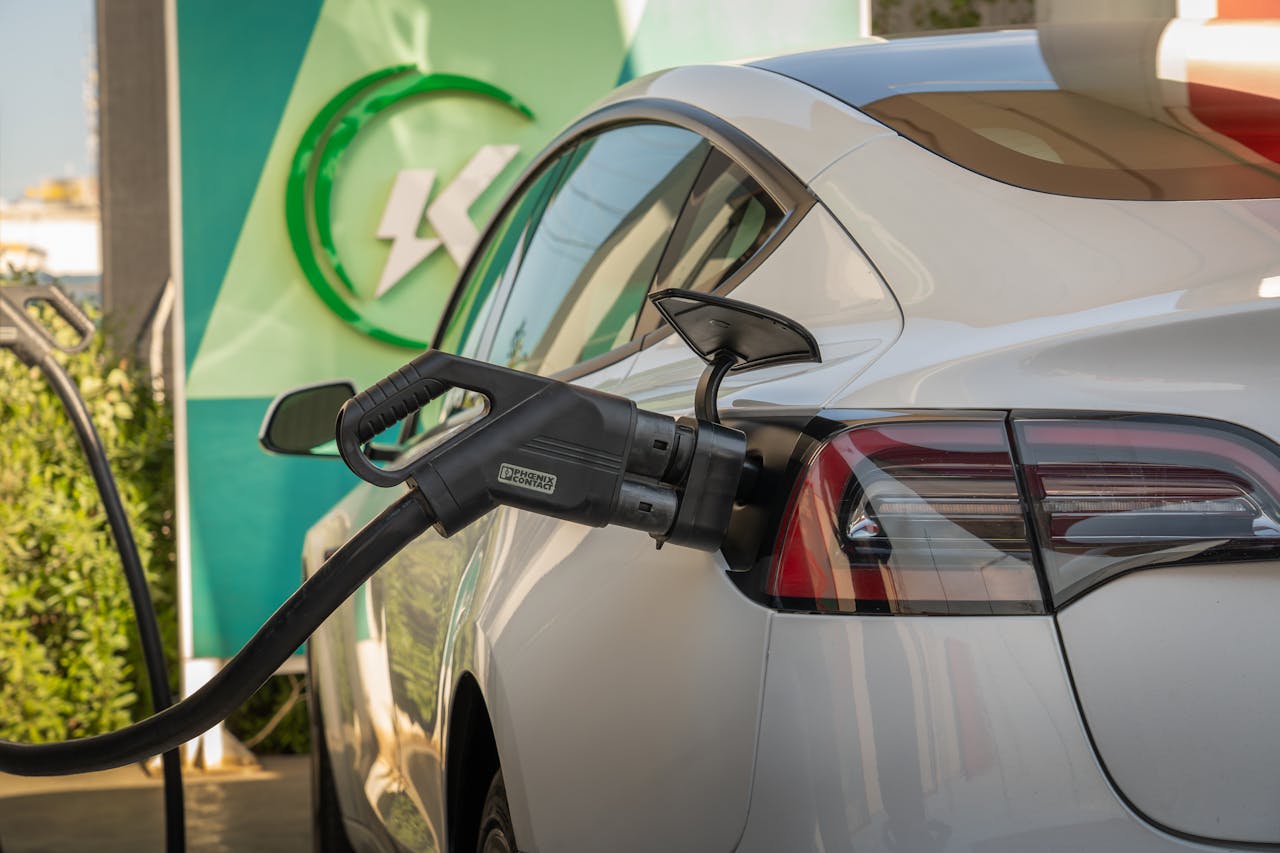
EVs on Maltese roads jump 33% year-on-year
While overall EV registrations surged, goods-carrying electric vehicles also went up
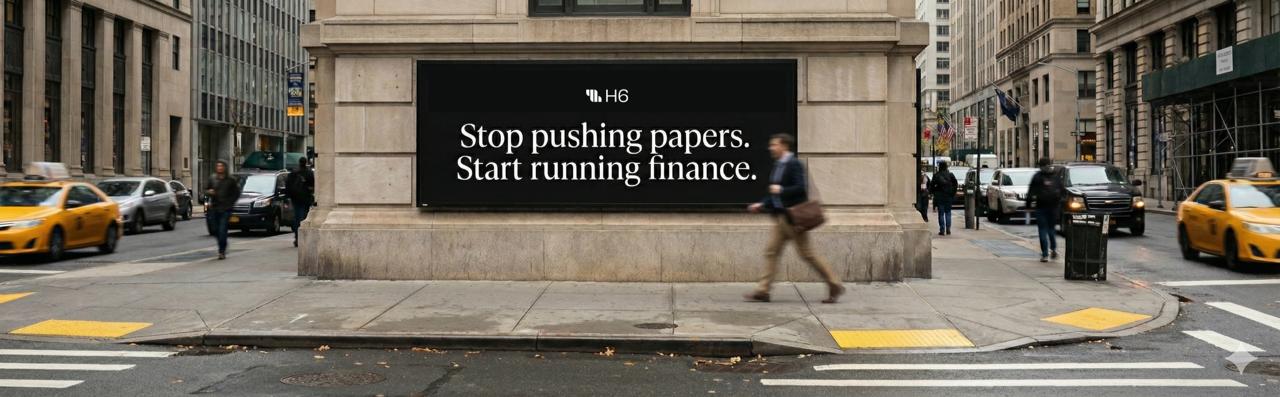
H6 introduces an AI finance layer for Microsoft Business Central
H6 removes the operational burden of manual checks, coding, and exception handling

Malta moves to shape rules for prediction markets
Economy Minister says prediction markets can provide significant innovation opportunities