



Malta met 17.2 per cent of its total energy needs through renewable sources in 2024, marking an increase of almost two percentage points compared to the previous year, according to newly published data by Eurostat.
The figures indicate a steady rise in the country’s renewable energy share over the past decade. In 2014, renewables accounted for just under five per cent of Malta’s energy mix, meaning the proportion has more than tripled within 10 years.
At 17.2 per cent, Malta now ranks ahead of several EU member states, including Ireland (16.1 per cent), Luxembourg (14.7 per cent) and Belgium (14.3 per cent), and is nearing Poland’s level of 17.8 per cent. However, the country remains below the EU average, which stood at 25.2 per cent in 2024. Sweden recorded the highest share of renewable energy at 62.8 per cent, followed by Finland (52.1 per cent) and Denmark (46.8 per cent).
Malta also registered one of the larger year-on-year increases among EU countries. Its renewable energy share rose by 1.8 percentage points compared to 2023, with only four member states – Latvia, the Netherlands, Denmark and Lithuania – recording higher increases.
The improvement comes against the backdrop of Malta’s previously low starting point. In 2019 and 2018, Eurostat data had placed Malta last among EU countries in terms of the proportion of energy derived from renewable sources.
Government policy over recent years has focused on accelerating the uptake of renewable technologies through a combination of incentives and support schemes. In 2021, the Government announced a €26 million allocation aimed at sustaining feed-in tariffs for renewable energy production over a 20-year period, targeting investment in the sector.
While the latest figures show sustained progress, Malta continues to face structural limitations linked to its size and geography, factors that have historically constrained large-scale renewable energy deployment.
Achieving the 2030 target will require continued investment and further expansion of renewable infrastructure over the coming years.

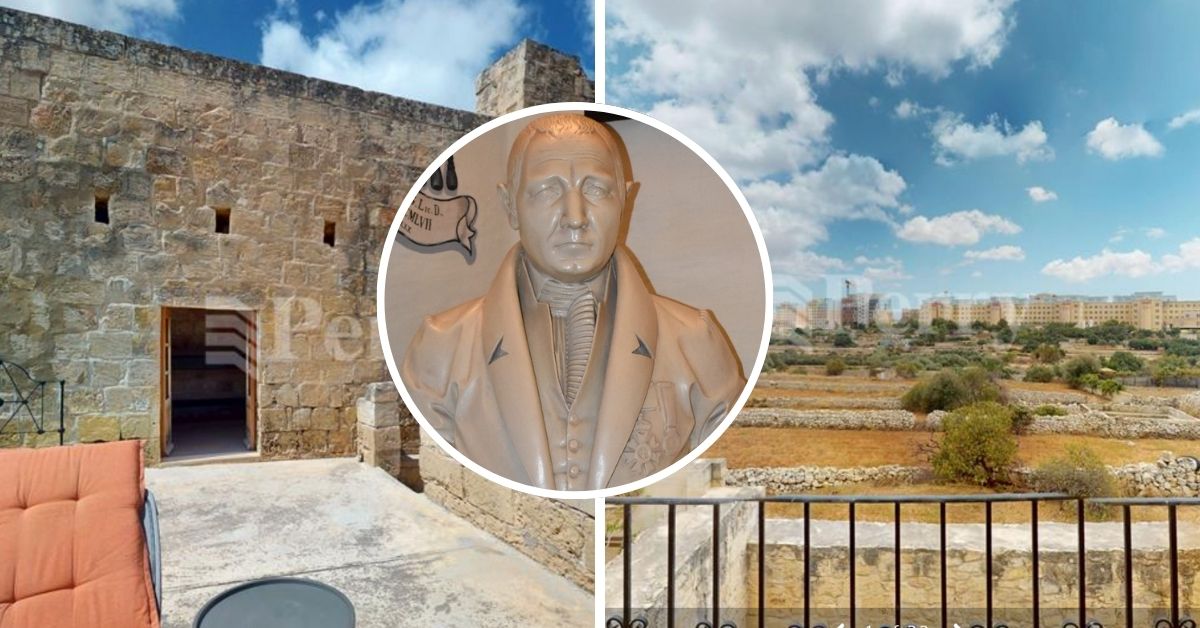
Farmhouse once used by 1798 Maltese rebellion leader goes on sale for €2.5m
It once served as the headquarters of Vincenzo Borg, one of the leaders in the Maltese uprising against the French

Strengthening the fight against finance crime: Malta’s cooperation with Asian partners
Matthew Scicluna highlights how these partnerships strengthen Malta’s position as a global financial hub and benefit local businesses
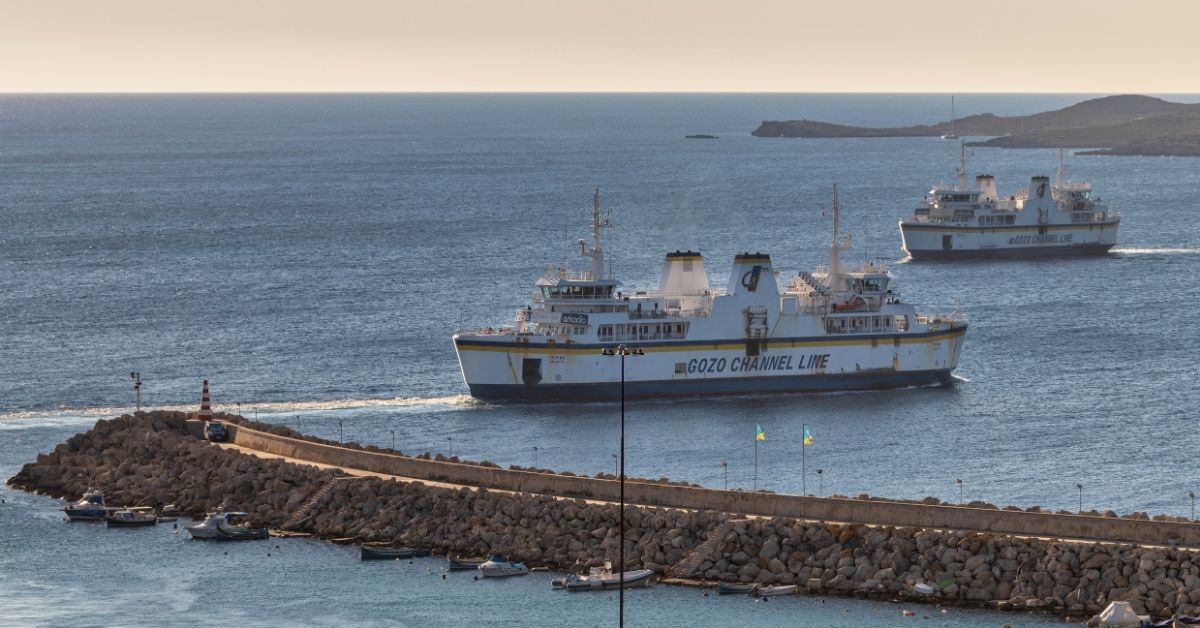
Gozo Channel’s car capacity set to increase by 117 vehicles
The passenger ferries will have enough space for 625 cars once the investment is complete