


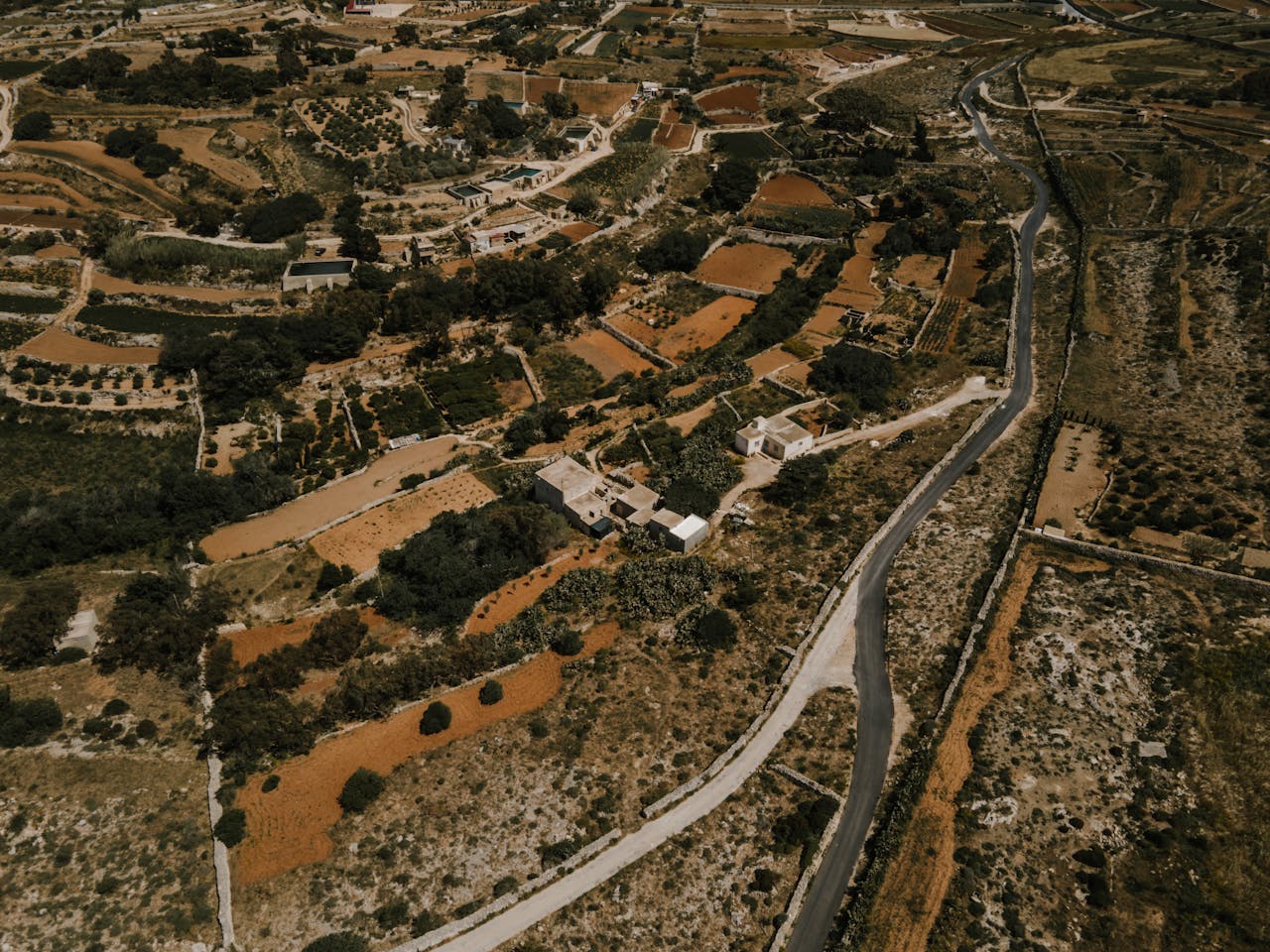
Farmers are reporting significant crop losses due to a surge in mice across agricultural land in Malta, with one farmer telling BusinessNow.mt that the problem has become increasingly widespread and is adding further financial pressure on an already struggling sector.
One farmer from Żejtun told this newsroom that mice have destroyed much of this year's wheat harvest, drastically reducing expected yields.
"I had a field full of wheat. I was supposed to fill 15 bags of cereal, but I only harvested two," he said. "The birds didn't get to it this year, but the mice did."
According to the farmer, the issue is not isolated. When asked whether mice have become a common problem in recent months, he said many farmers are facing similar difficulties. A farmer whose crops are next to his had a field full of produce and irrigation pipes, and the mice got to both of those things too, and these are just two incidents.
He explained that, in the past, the Agriculture Ministry used to distribute rodenticides – commonly referred to by farmers as "teabags" – to help control mice populations in fields. However, he claims this support is no longer available, leaving farmers to bear the cost themselves.
"It's too expensive for farmers to buy these 'teabags' and place them around the fields," he said. "One bag costs almost €13. It's another expense we definitely don't need."
While rodents are a known agricultural pest, the farmer warns that the scale of the problem this season appears to be unusually severe.

85% of non-EU survey respondents say TCN Budget measures are unfair and unnecessary
The least welcome measures among non-EU residents was the €400 annual infrastructure contribution

Scope Ratings affirms Malta’s A+ rating, flags energy subsidy pressures
'Private consumption remains a key driver of economic activity,' it said

‘Labour market conditions remained tight but showed some signs of moderation,’ Central Bank says
In the second quarter of 2026, the overall employment rate increased to 80.1 per cent