


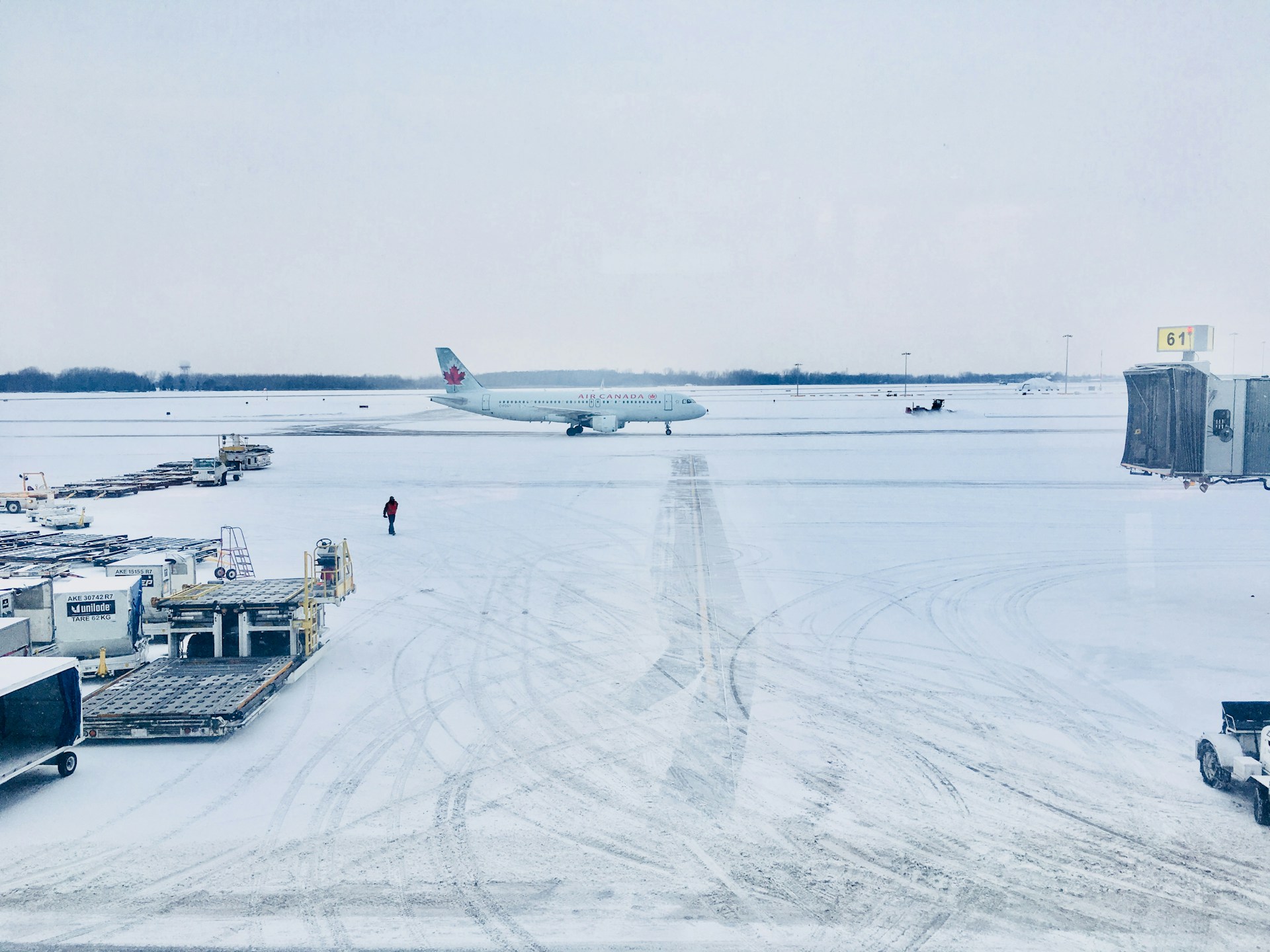
Ryanair has notified passengers that on Wednesday 20th November (today), flights to and from the UK might face disruptions because of snow and ice.
The airline commented that affected passengers will be notified if flights are delayed or cancelled and any passengers travelling to and from the UK are advised to check the app for the latest updates.
“We regret any inconvenience caused to passengers by these weather conditions, which are outside of Ryanair’s control and affect all airlines operating to and from the UK,” Ryanair stated.
In the UK yellow weather warnings have been issued as the first snowfall of the season arrives. Around 200 schools closed off on Tuesday as temperatures dropped to between -1°C and -4°C.
Ryanair’s timetable for the day indicates that it is set to operate four flights to the UK:
- Malta to London Stansted at 4:40pm
- London Stansted to Malta at 12:05pm
- Malta to Manchester at 11:40am
- Manchester to Malta at 2:45pm
Up until yesterday’s weather updates, Manchester airport had reported that despite a fair bit of considerable snow, it was unaffected.
In total, Ryanair operates 11 UK routes. This includes Belfast International, Birmingham, Bournemouth, East Midlands, Edinburgh, Glasgow, Liverpool, London Luton and Stansted, Manchester and Norwich.
Last week the airline launched its summer 2025 schedule announcing over 1.7 million seats for Malta. Although 1.7 million represent a significant figure, this year the airline featured over 2.7 million seats for Malta.


Is Malta emerging as a preferred hub for EMI licensing as Lithuania tightens oversight?
People are highlighting Malta’s positioning as an alternative jurisdiction to Lithuania when it comes to EMI licensing

Corinthia to develop luxury Tuscan resort in latest Italy expansion move
The new project is named Borgo di Perolla

Business activity edges up in February as uncertainty rises
Activity remained above its historical average, signalling continued economic resilience