


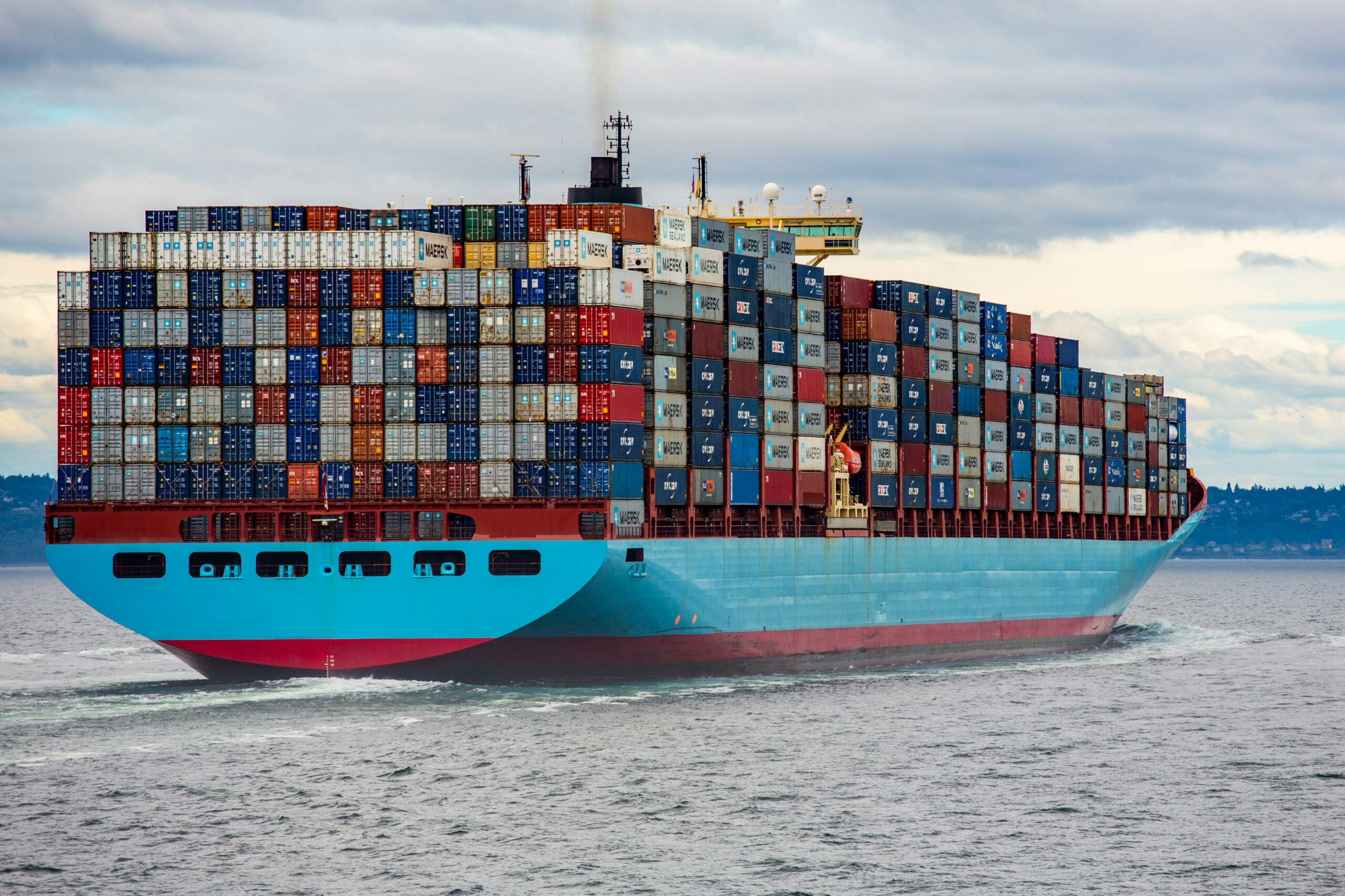
The EU’s Emissions Trading System (ETS) is bad for Europe and bad for Malta, the Malta Maritime Forum has said, calling for a fairer system.
It said that the ETS was poorly designed. “It was passed in record time, without a proper, broad consultation process with the maritime industry. The result is an impractical system that created unfair competition for European ports.”
The Malta Maritime Forum (MMF) welcomed what it described as the firm position taken by the Prime Minister at the recent European Political Community meeting in Ireland, where he echoed the MMF’s criticism of the EU Emissions Trading System (ETS). The MMF says the ETS, as it stands today, is harming Europe and Malta, and must be changed.
Among other things, the Prime Minister had said that while work continues to reduce emissions, it is important for air and sea connectivity to remain affordable and reliable, particularly where there are few alternatives like in Malta.”
The ETS is not delivering the climate results it promised, the MMF said.
“The EU cannot apply its laws outside its own territory. As a result, Europe is losing business, investment and maritime connectivity to North Africa, where the ETS applies differently or may not apply at all. European shipping lines have already invested billions of euros to expand transhipment capacity in new and existing terminals there to attract transhipment business there. Whilst shipping routes are increasingly diverting southwards, emissions are not falling; they are simply moving elsewhere, together with the jobs and investment that go with them.”
Due to its design and implementation flaws, the ETS is causing carbon, business and investment leakage, the forum said. “This puts it in conflict with the EU’s own core principles of fair competition, solidarity among Member States, low inflation, trade sovereignty and ensuring the competitiveness of its ports.”
Malta is hit harder than most
The impact of EU ETS is disproportionate on Malta relative to other Member States because it has no alternatives such as rail or inland waterways to keep goods moving, and it is the most open economy in the EU27, the MMF added.
The MMF praised “the constructive approach” of both Government and the opposition in recent years, and their strong positions in Europe on the risks imposed by EU ETS on Malta’s maritime connectivity.
The MMF said it is ready to continue working with Government on fair and practical solutions and to present them to the EU with a unified national voice.
“One key proposal is to apply the ETS to the cargo, whether containerised or not, rather than to the vessel carrying it. Any solution must ensure a level playing field and avoid putting EU ports and shipping services at an unfair disadvantage.”
The MMF warned against compromise positions that carry unnecessary risk for Malta and the rest of Europe.
The MMF also noted reports that European Commissioner for Climate, Net Zero and Clean Growth, Wopke Hoekstra, is expected to visit Malta in the coming weeks, when the ETS is also expected to be discussed.
The MMF said it offers its full support and assistance, both in preparing for these discussions and in making sure Malta continues to uphold and advance its position.
Featured image: Ian Taylor/Unsplash
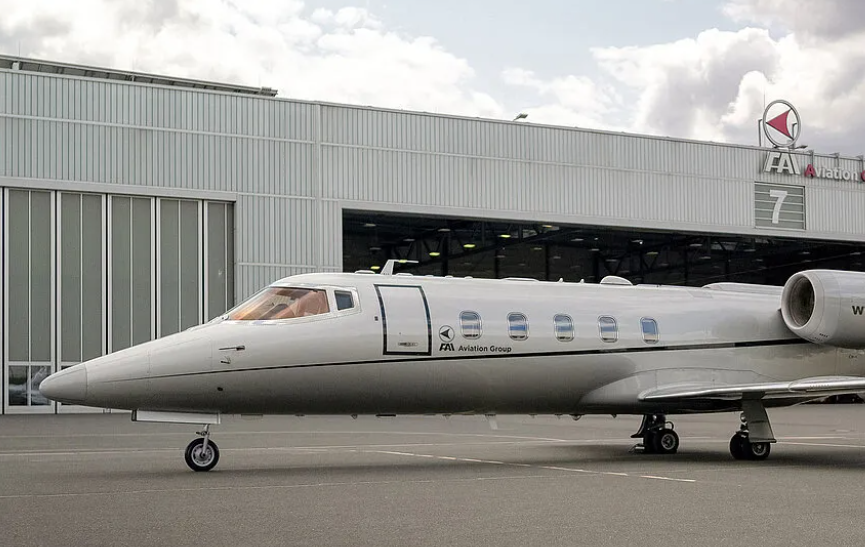
FAI Aviation Group secures Maltese Air Operator Certificate, opens office in Malta
As part of its commitment to Malta, the business has opened an office in Birkirkara

Malta welcomes record 1.47 million tourists in Q3, but spending per visit declines
Meanwhile spending per night increased by 3.6% to €170
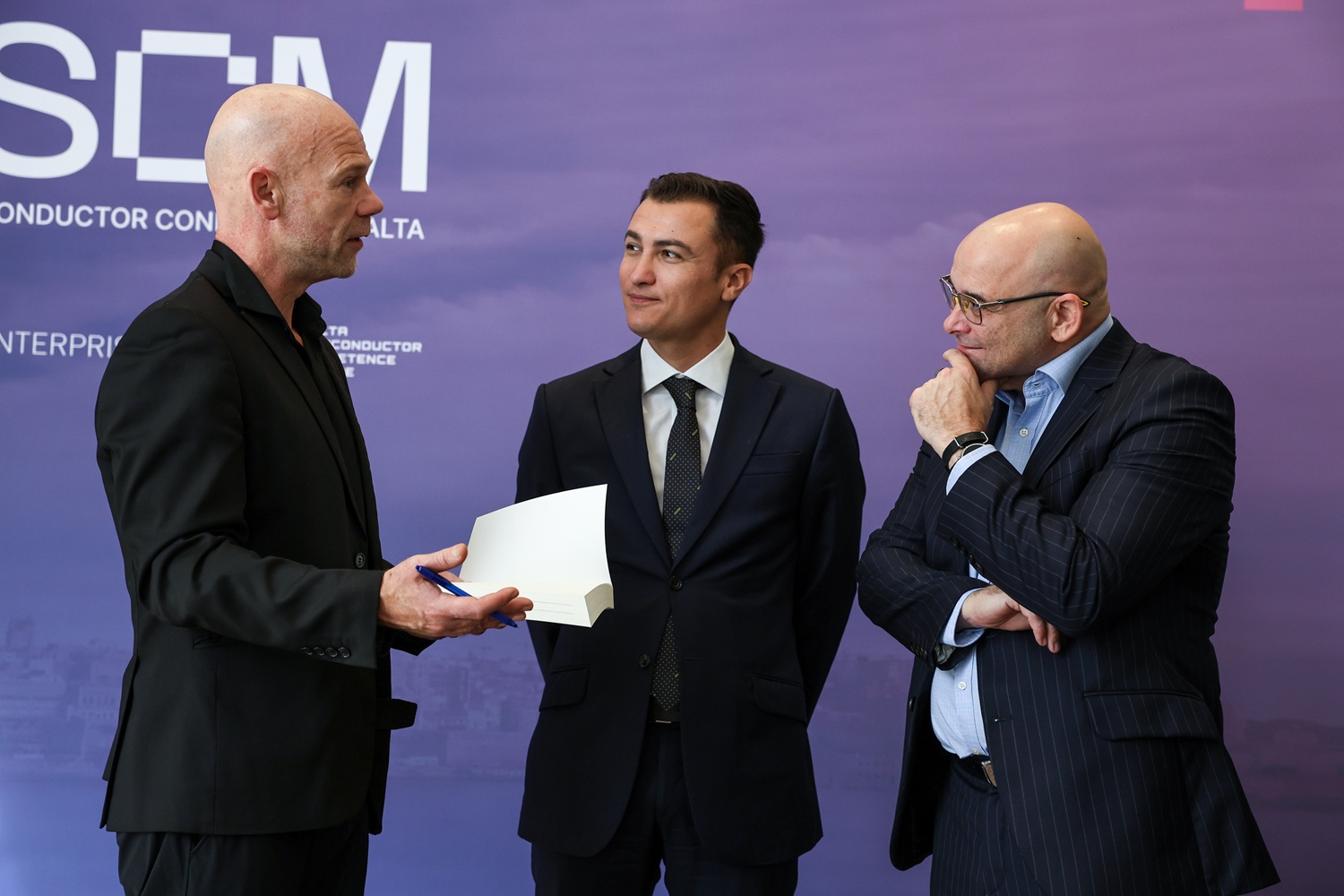
First 12 semiconductor start-ups complete Silicon Catalyst’s incubation programme
A second group of 12 companies has already started the programme