


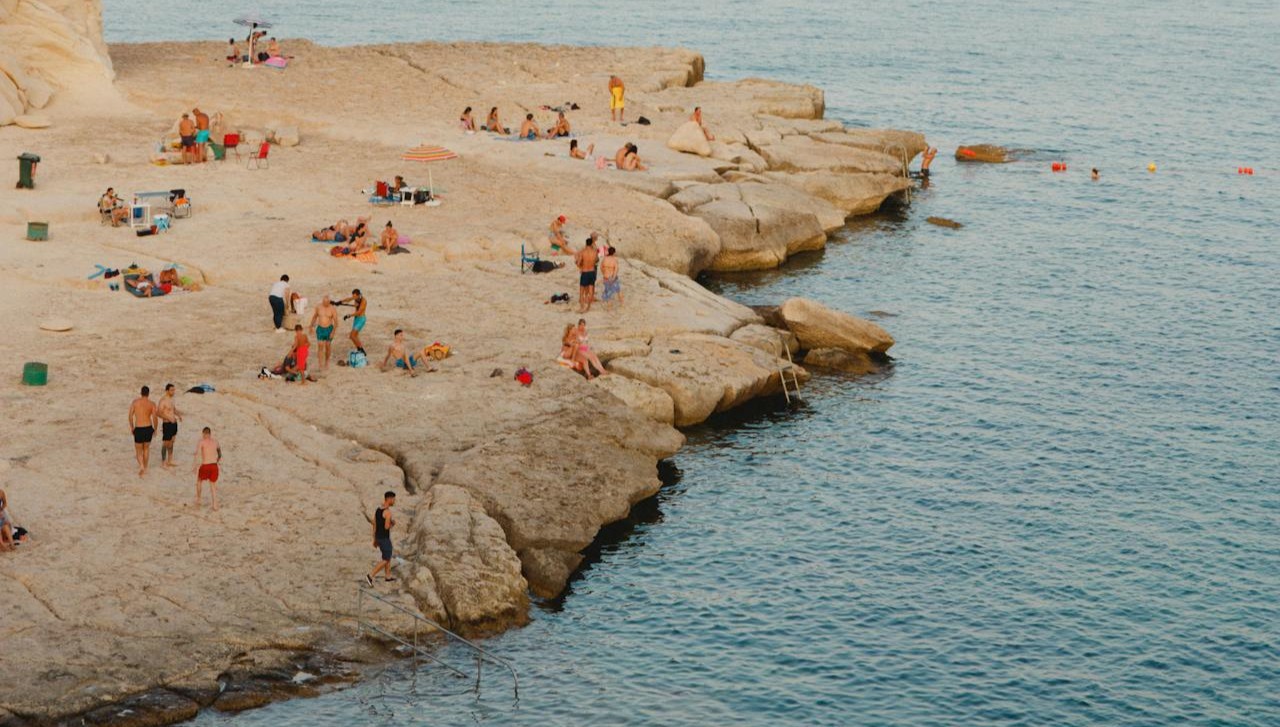
Malta welcomed a record 1.47 million tourists during the third quarter of 2026, representing a 15.6 per cent increase over the same period last year, according to Deloitte Malta's latest Hotel Performance Survey.
Despite the increase in arrivals, average spending per visit declined by 2.3 per cent to €1,128, raising questions about the long-term sustainability of Malta's volume-driven tourism growth.
The survey, titled Resilient by Design, found that total tourist expenditure reached €1.65 billion during the quarter, an increase of 12.9 per cent year-on-year.
While spending per night increased by 3.6 per cent to €170, the average length of stay declined by 5.7 per cent to 6.6 nights, contributing to the reduction in overall expenditure per visit.
Nevertheless, hotels reported a profitable quarter, supported by higher revenue per room and effective cost management.
Tourist arrivals reached 3.6 million during the first nine months of 2026, with projections indicating that Malta could reach 4.5 million annual arrivals by the end of the year.
This would mean reaching the tourism arrivals target outlined in Malta's Vision 2050 strategy nine years ahead of its 2035 milestone.
David Delicata, Hospitality Leader at Deloitte Malta, said that while the country has demonstrated its ability to attract visitors, future growth should place greater emphasis on the economic value generated by tourism.
"Malta has proven it can attract visitors in record numbers, and our hotels turned that demand into a profitable quarter. But growth built on volume alone is putting pressure on our industry, our communities and our infrastructure," he said.
"With the 2035 arrivals target set to be reached this year, the next chapter must be about value: higher spend per visit and a tourism model that is resilient by design."
Changing travel patterns present new opportunities
The report also highlighted the growing popularity of coolcations, whereby travellers increasingly seek destinations with milder temperatures to avoid extreme summer heat.
According to a European Travel Commission survey covering 2025 and 2026, two-thirds of European travellers indicated that they would adjust their travel plans in response to climate-related disruptions.
Deloitte noted that Malta could benefit from strengthening its tourism offering during spring and autumn, potentially reducing pressure on infrastructure during the peak summer months.
In 2025, summer accounted for 36 per cent of total tourist expenditure despite representing 31 per cent of arrivals.
However, visitors travelling during the shoulder months spent slightly more per night than summer visitors, averaging €157 compared to €155 in real terms.
The findings suggest that attracting visitors outside the traditional peak season could support tourism revenue while distributing demand more evenly throughout the year.
Climate resilience becoming increasingly important
The survey also found that extreme weather conditions are already affecting hotel operations, with 91 per cent of respondents reporting some impact during 2026.
Deloitte identified energy efficiency, smarter utility consumption and investment in sustainable infrastructure as increasingly important considerations for the hospitality industry.
However, the report noted that sustainability initiatives continue to be approached primarily as cost-saving measures rather than longer-term investments in business resilience.
It also highlighted the potential role of government-backed green initiatives and financing in supporting hotels' transition towards more sustainable operations.
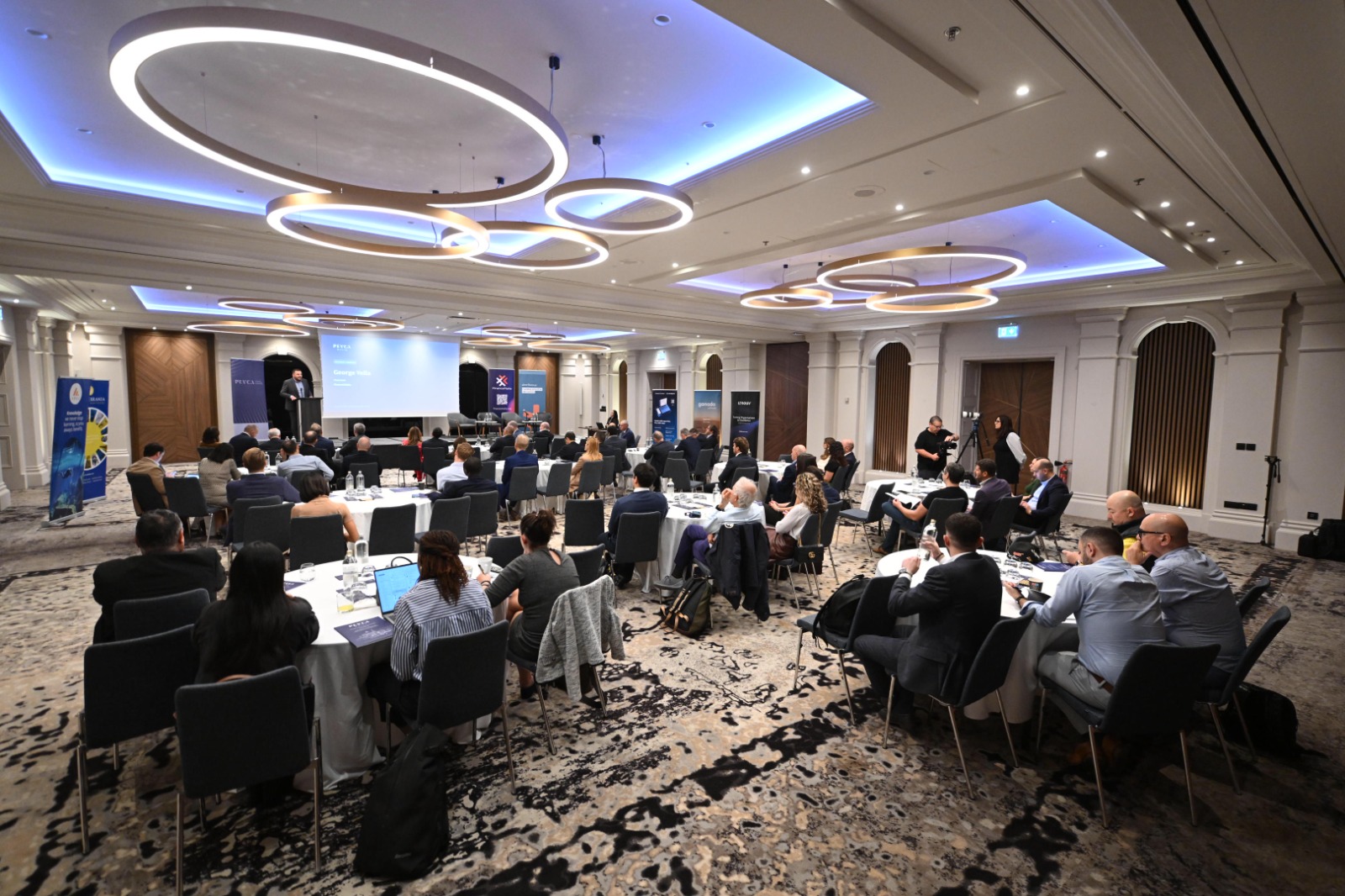
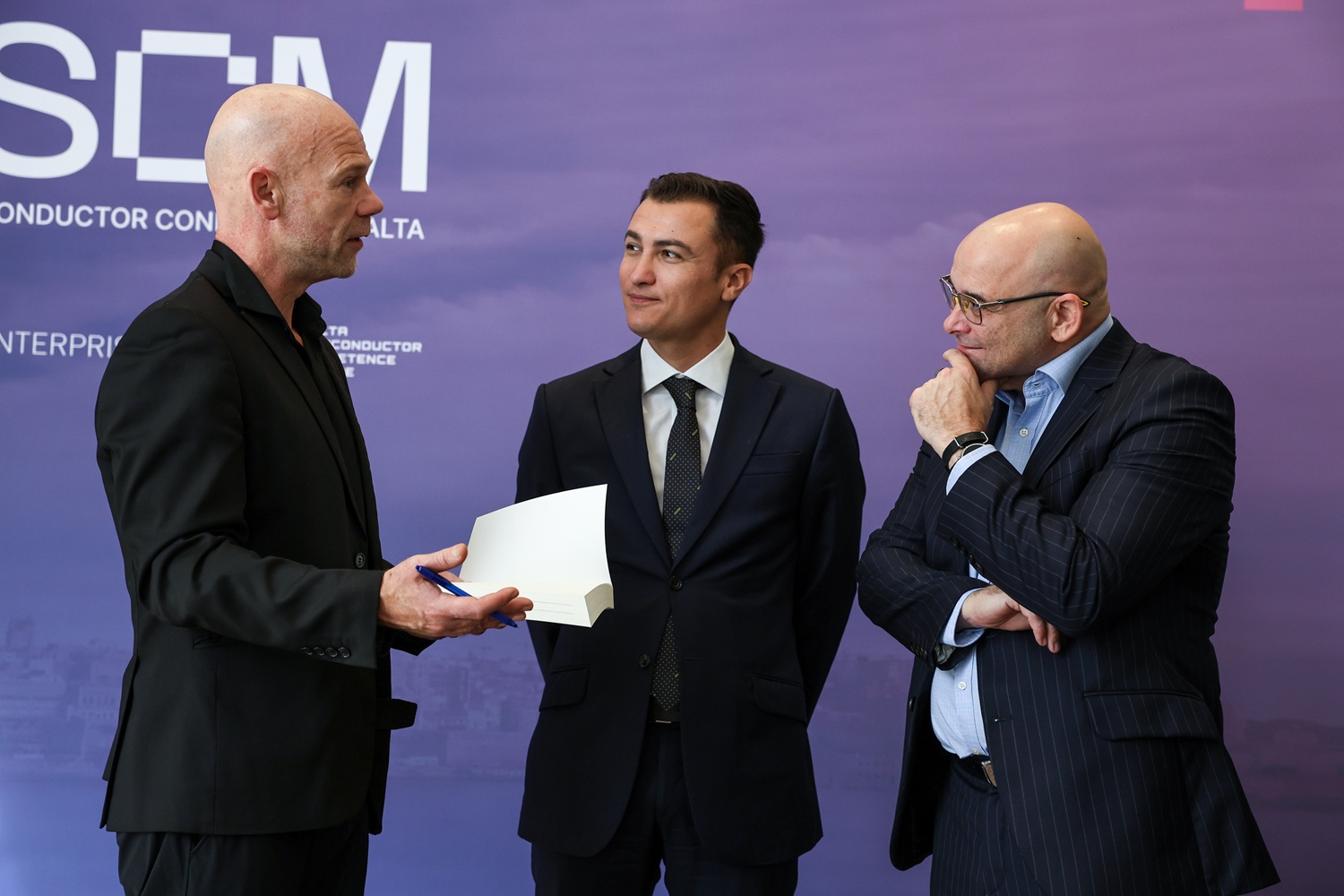
First 12 semiconductor start-ups complete Silicon Catalyst’s incubation programme
A second group of 12 companies has already started the programme

Household disposable income reaches €16 billion
BOV noted that compensation of employees remained the principal source of household income
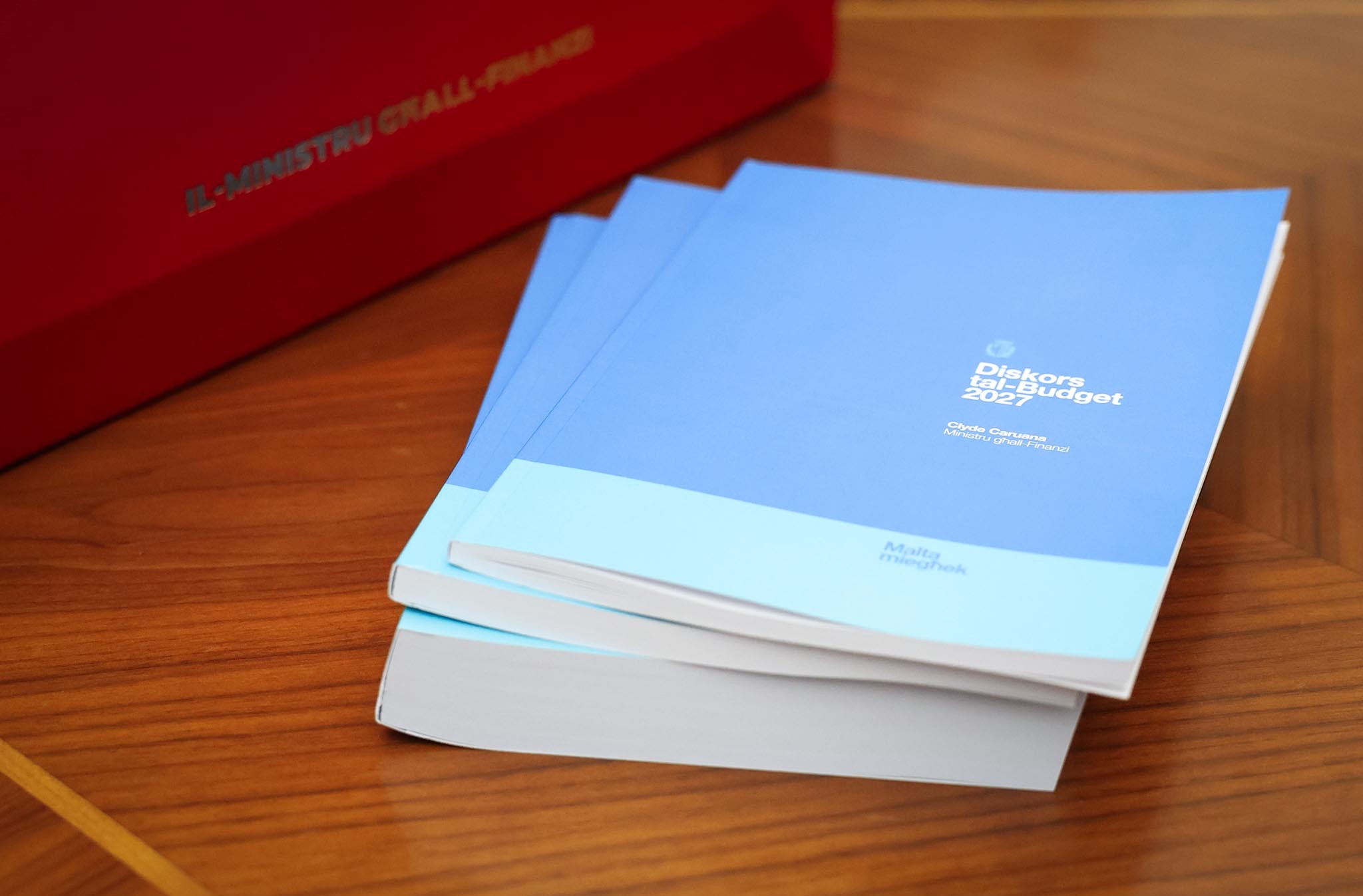
85% of non-EU survey respondents say TCN Budget measures are unfair and unnecessary
The least welcome measures among non-EU residents was the €400 annual infrastructure contribution