


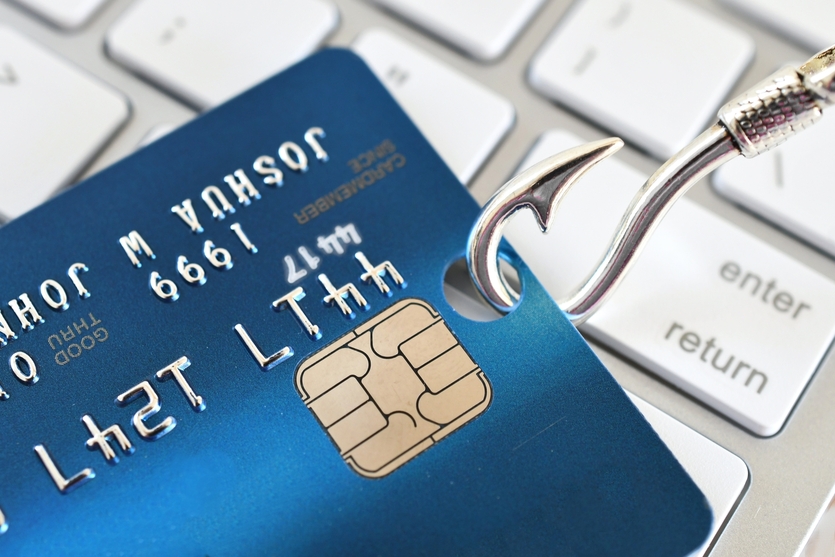
A Maltese bank, APS, became the third local bank to be a target of a phishing scam in 2023, following similar scams targeting BOV and HSBC in previous weeks. The scams have all been carried out through SMS.
Phishing is a type of online scam, where an attacker sends a message by text, call or email, pretending to be a reputable source, in an attempt to solicit sensitive information such as passwords or credit card details.
The increasing recurrence of this type of scam has caused alarm, with the Malta Security Services (MSS) recently reporting that phishing is one of the main cybersecurity threats that the Government faced in 2021 and 2022, according to MaltaToday.
The MSS informed that there were numerous attacks against private companies and Government authorities in recent years, targeting institutions such as the Central Bank, Identity Malta and even the police.
Unfortunately, this usually leads to a number of people falling victim to the scams, giving away their personal details and losing thousands of euros in the process.
What is being done?
The best remedy to phishing is an informed and educated public which is capable of noticing red flags when presented with a phishing scam attempt.
Local banks already make it abundantly clear that they would never request personal information over email or text messages, and urge the public not to give away their sensitive data.
However, phishing is not the only type of cybercrime to look out for. Spoofing is also on the rise and becoming more sophisticated since scammers are capable of cloning phone numbers as well, even those of banks.
Both spoofing and phishing trick the individual into thinking they are a legitimate source and solicit sensitive information, but the main difference between the two is that spoofing involves the creation of a fake website or email address which impersonates a reputable source, and phishing involves the creation of fake messages.
In its fight against this cybersecurity threat, the Government has recently launched two schemes to boost cybersecurity in the private sector, and is in the process of setting up a National Coordination Centre to develop the country's cybersecurity capacity.

Who really holds the power in Malta’s maritime sector? New study maps the key players
New research examines how power, legitimacy and urgency are distributed among the key players in Malta’s maritime logistics sector
Malta Chamber hits back at Clyde Caruana over ‘cheap foreign worker’ claims
Chamber says Minister's comments 'misdiagnose the root cause of Malta’s economic bottlenecks'
AI, sanctions, and sophisticated crime are reshaping financial sector’s risk, bankers told
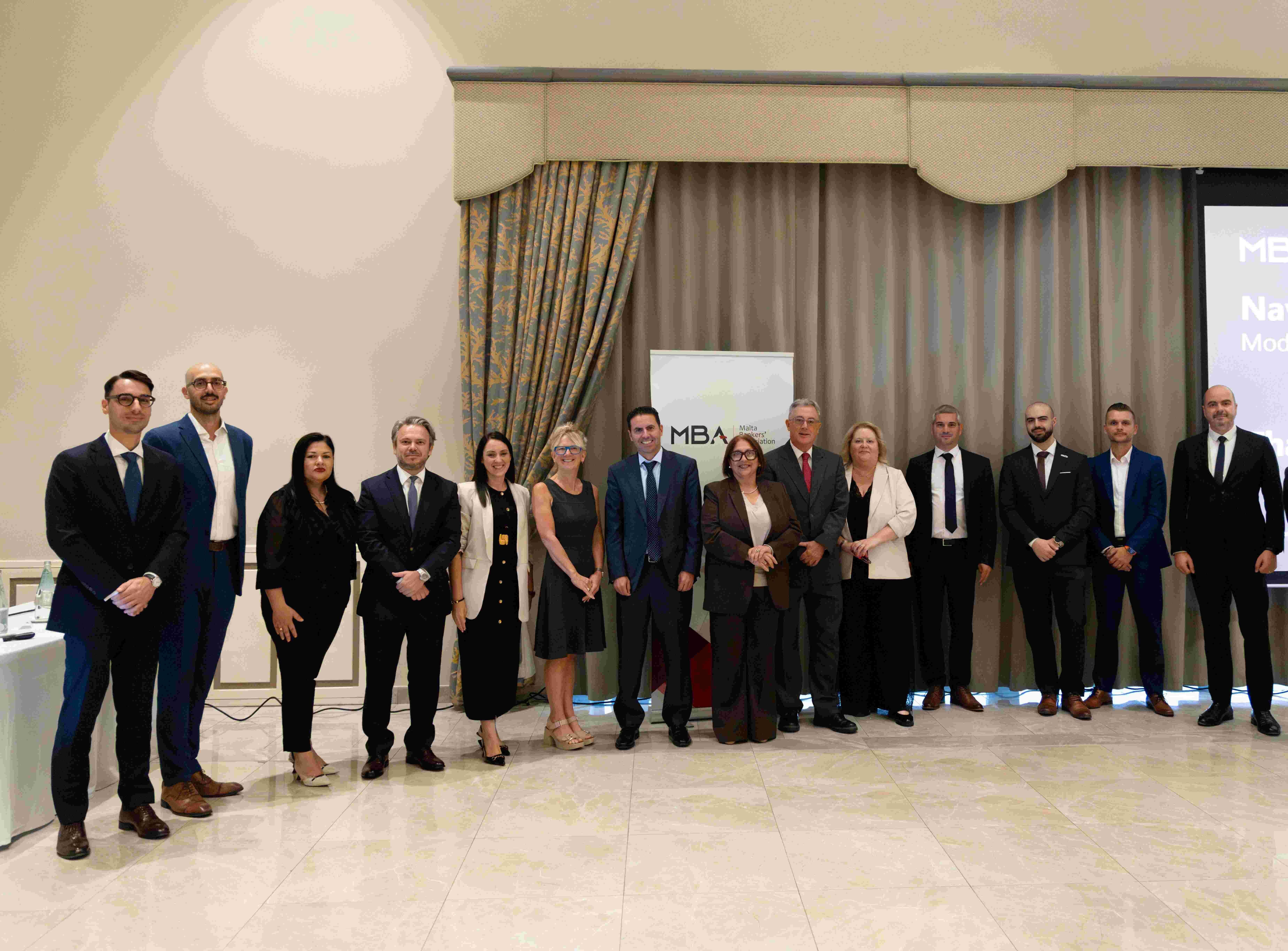
The challenges were discussed at a Malta Bankers’ Association (MBA) conference