

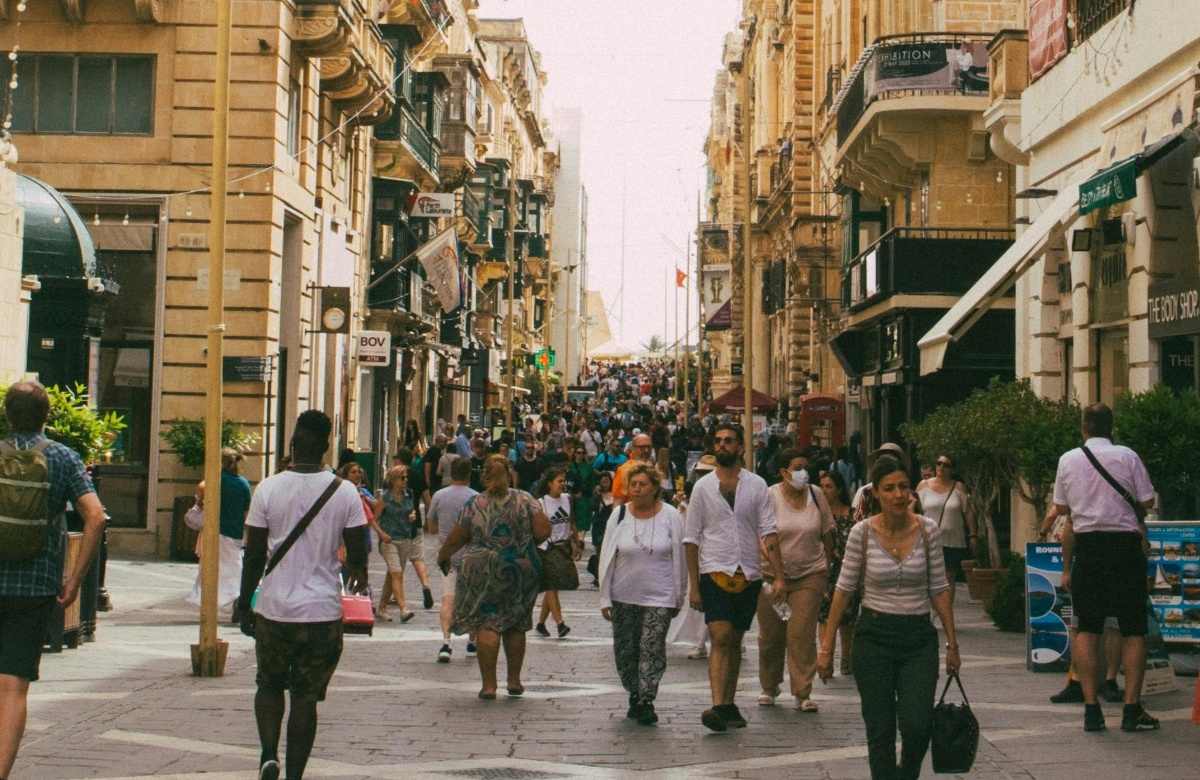
Closing 2026 with over 4.5 million tourists is a fantastic milestone, but it leaves us with one big question: how do we keep this success sustainable?
In economics, a "readjustment year" is simply a necessary pause after rapid growth – not a crisis, but a chance to catch our breath and settle into a healthier rhythm.
Looking at global pressures right now, 2027 is shaping up to be exactly that for Malta. While it brings challenges, we should embrace the opportunity to reset and evolve.
Across Europe, airlines are coming to the end of their fuel hedging deals as this year wraps up and next year begins. Unless things settle down in the international fuel market – and right now, that doesn't look likely – airfares are going up.
At the same time, economic strains and tighter household budgets in our core markets, from France, Spain, and Germany to the UK, mean fewer people will be taking spontaneous trips.
For an island that relies entirely on air links, rising flight costs and tighter foreign wallets might sound worrying. Realistically, however, it acts as the natural market filter our sector needs.
When travel gets pricier, the market naturally splits. The ultra-budget traveller – and those boisterous, low-spend youth groups that stretch our infrastructure, test locals' patience, and leave very little behind in our shops and restaurants – will think twice before booking a cheap break.
On the flip side, higher-income visitors are largely insulated from these cost pressures. They will keep travelling, and they are precisely the kind of guests we want to attract.
This external shift backs up what we are trying to do locally. The measures in Budget 2027, especially the higher bed eco-tax, serve a double purpose: they raise essential funds we can pump straight back into our infrastructure, while resetting our price point to signal real quality.
Combined with higher airfares, this gives us breathing room to move away from the lowest-yielding segments and focus firmly on value over sheer volume.
That pause also lets us tackle the core of the overtourism debate. Malta’s challenge has never been just about headcounts; it’s about how we manage our space, our infrastructure, and our environment.
Massive private investment has given us brilliant, top-tier properties and vastly improved hospitality across the islands, even if rapid development has left a few pockets of urban uglification we need to fix.
At the same time, this potential easing acts as a healthy reality check against overinvestment. In a mature market, just copying the same old formulas and adding more of the same bed stock simply doesn't work anymore.
A readjustment year will naturally discipline the market, showing everyone that copycat concepts risk becoming obsolete unless they pivot toward genuine differentiation and quality.
Meanwhile, substantial government investment – both finished and on the way – is strengthening our backbone services, from roads and maritime links to energy grids and public amenities.
There is still work to do, and a readjustment year gives us the operational window to speed up those upgrades, clean up our streets and public spaces, and make sure our surroundings match the standard of our best hotels and restaurants.
Of course, a readjustment year does not mean taking our foot off the gas. When fewer Europeans are travelling, competition across the Mediterranean gets fierce. If we go quiet, we lose out.
We need to market Malta even more actively in 2027 – not to just anybody, but targeting high-spend brackets with laser precision.
In a world that feels increasingly unsettled, Malta stands out as a safe, peaceful getaway. That is a direct result of the incredible resilience our private sector and Government showed through recent global shocks, keeping our economy and society stable.
Layer that peace of mind over our diverse business mix – from vibrant nightlife and music events, sports tourism, and English language learning to diving, gastronomy, cultural heritage, and high-value MICE travel – and we have a winning formula.
We just have to sell that stability and authenticity to visitors who don't mind paying a bit more or contributing an eco-tax, as long as they get true excellence in return.
We’ve proven we can pull in the world in record numbers. Let’s make 2027 the year we align our growth with our quality of life.
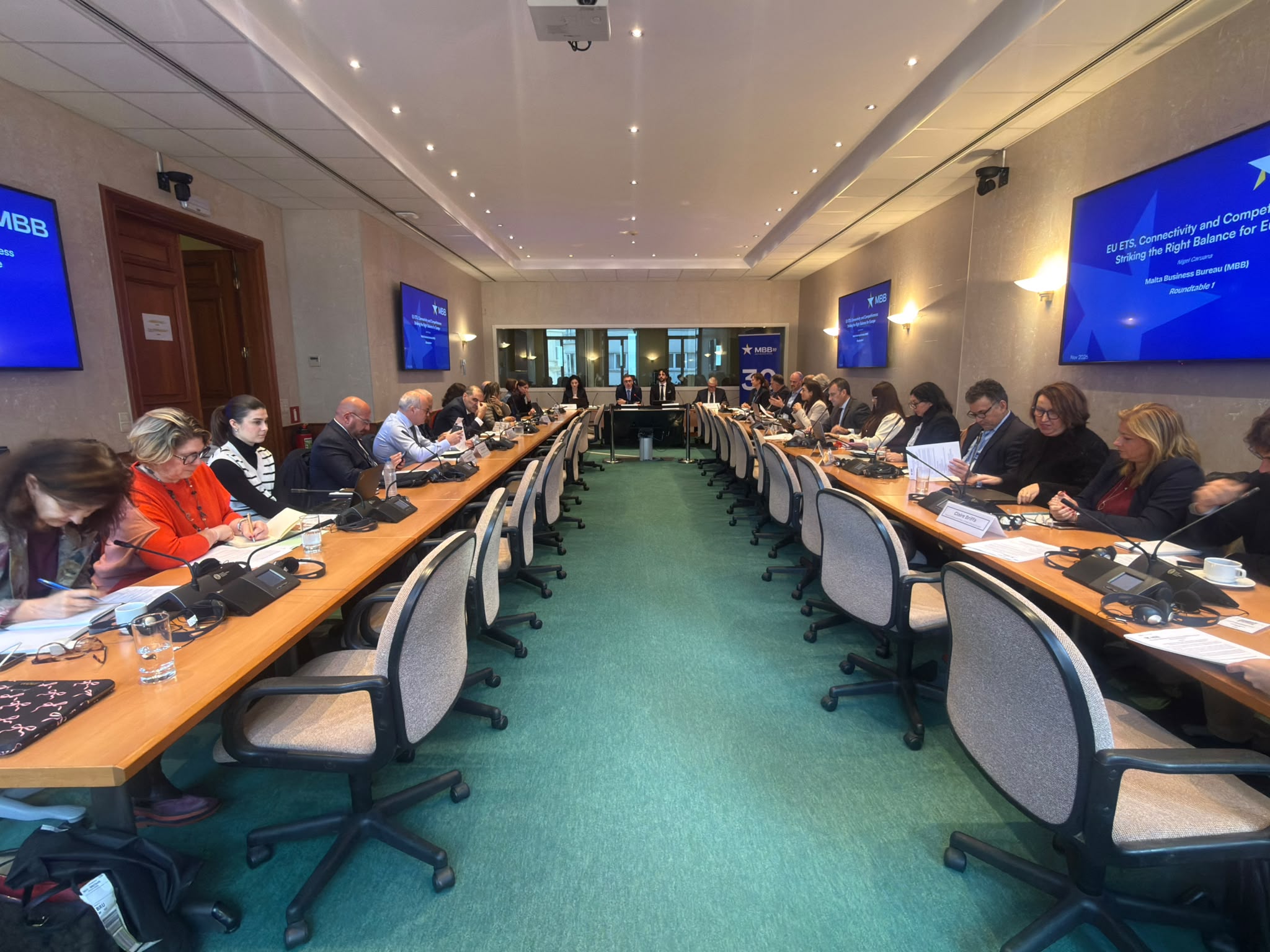
MBB supports the ETS and its objectives, but ‘our concern is proportionality’
Around 70 per cent of Malta’s imports arrive on the Italy to Malta line, MBB CEO says
Microsoft working to restore services as outage hits thousands globally
A number of Microsoft services including Outlook and Teams faced disruptions affecting thousands

AI chaos after US midterm results
'Interestingly, the initial reaction to the outcome of the election across equity markets was positive...'