


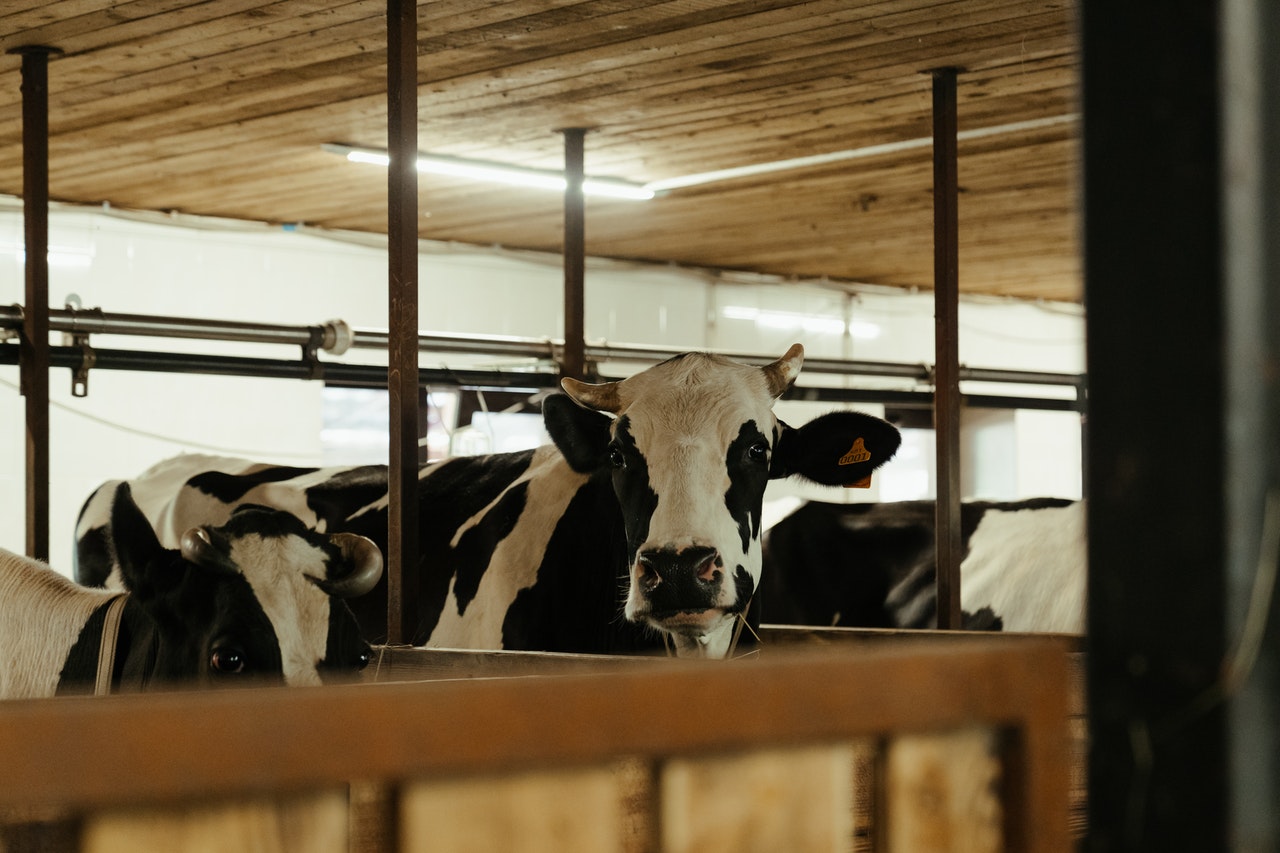
Finance Minister Clyde Caruana has shared his insights on what it took to keep Malta's economy steady with economics students at Junior College, using cows to illustrate the complexities of economic planning.
In a video capturing the segment from a discussion organised by the Department of Economics at Junior College, Minister Caruana explains how Government’s intervention to save the economy during the pandemic took directions he had not foreseen.
“I would like to bring to your attention something even I hadn’t thought of,” he said. “Cows. Milk.”
The Minister explained that the Maltese population is around half a million, and in 2019 around three million tourists visited the islands. This means that on average, there are around 700,000 to 800,000 people in Malta every month.
However, in 2020, the number of tourists plummeted to slightly less than half a million.
“So one of the problems we had was of milk not being consumed,” he said.
“The people who worked in the industry were recording thousands of losses. To make things even worse, fodder doubled in price.”
Minister Caruana detailed the losses livestock farmers were facing, and said that although taking money out of one’s pocket for one, two, even three months was doable, this was impossible during a pandemic that has lasted for a year and nine months to date.
“So, many of them were saying that this would lead them to kill their cows,” he said.
However, he then explained that this would have led to further problems, as rearing calves to become milk-producing cows, or buying cows from abroad, would have been much more expensive once pre-pandemic levels of economic activity return.
“A cow is very expensive, believe it or not.”
He then told the students present that the Government therefore had to intervene in ways that went beyond paying the wage supplement to save jobs.
“We also had to save cattle,” he said. “Because the pandemic won’t last forever. Last year we had half a million tourists, this year we’ll have a million, and most probably next year we’ll have 1.5 million. So, slowly, we’re getting there. But if we killed our cows yesterday, then next year we’ll probably have a shortage of milk.”
Dairy farming is one of Malta's most successful agricultural sectors, with around 59 per cent of agricultural land dedicated to the activity.
“The dairy industry keeps agriculture alive since other sectors have declined," said Koperativi Produtturi Ħalib's ex-chairman Brian Vella last year.
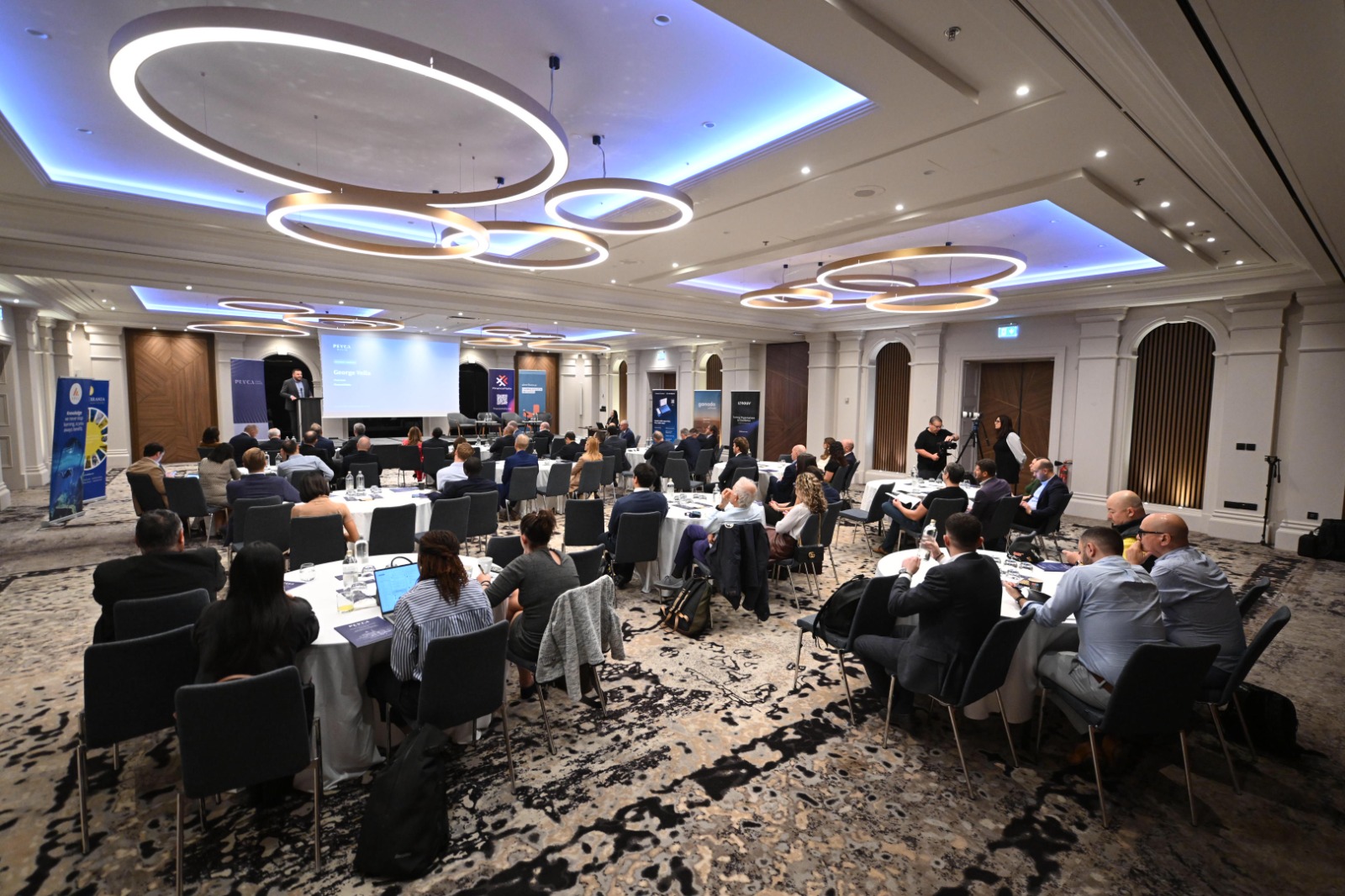
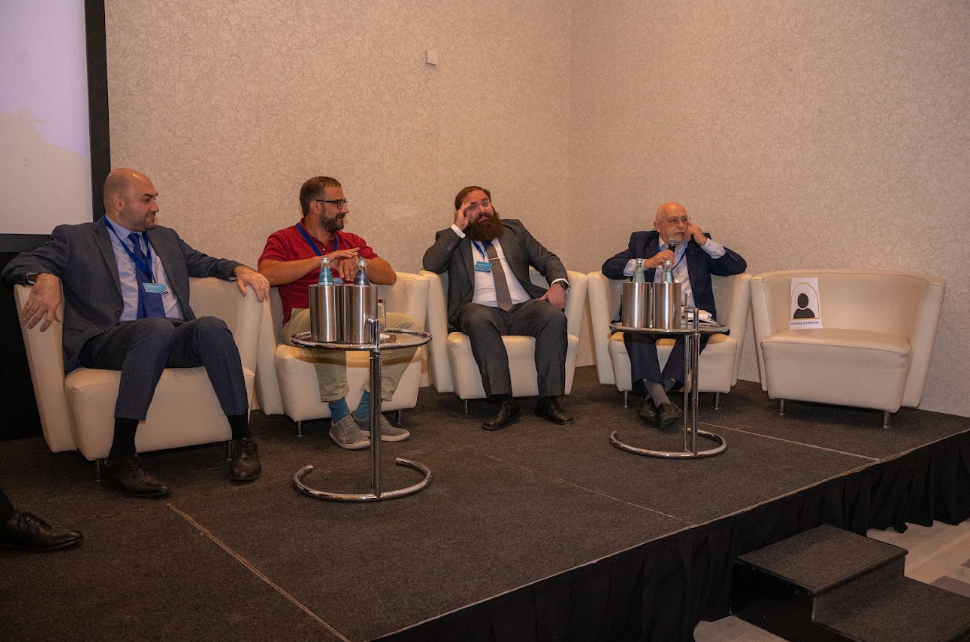
‘Businesses are making money, but at what cost?’ Malta’s tourism under the lens
Important questions were raised during FAA's national conference on Tuesday (today)
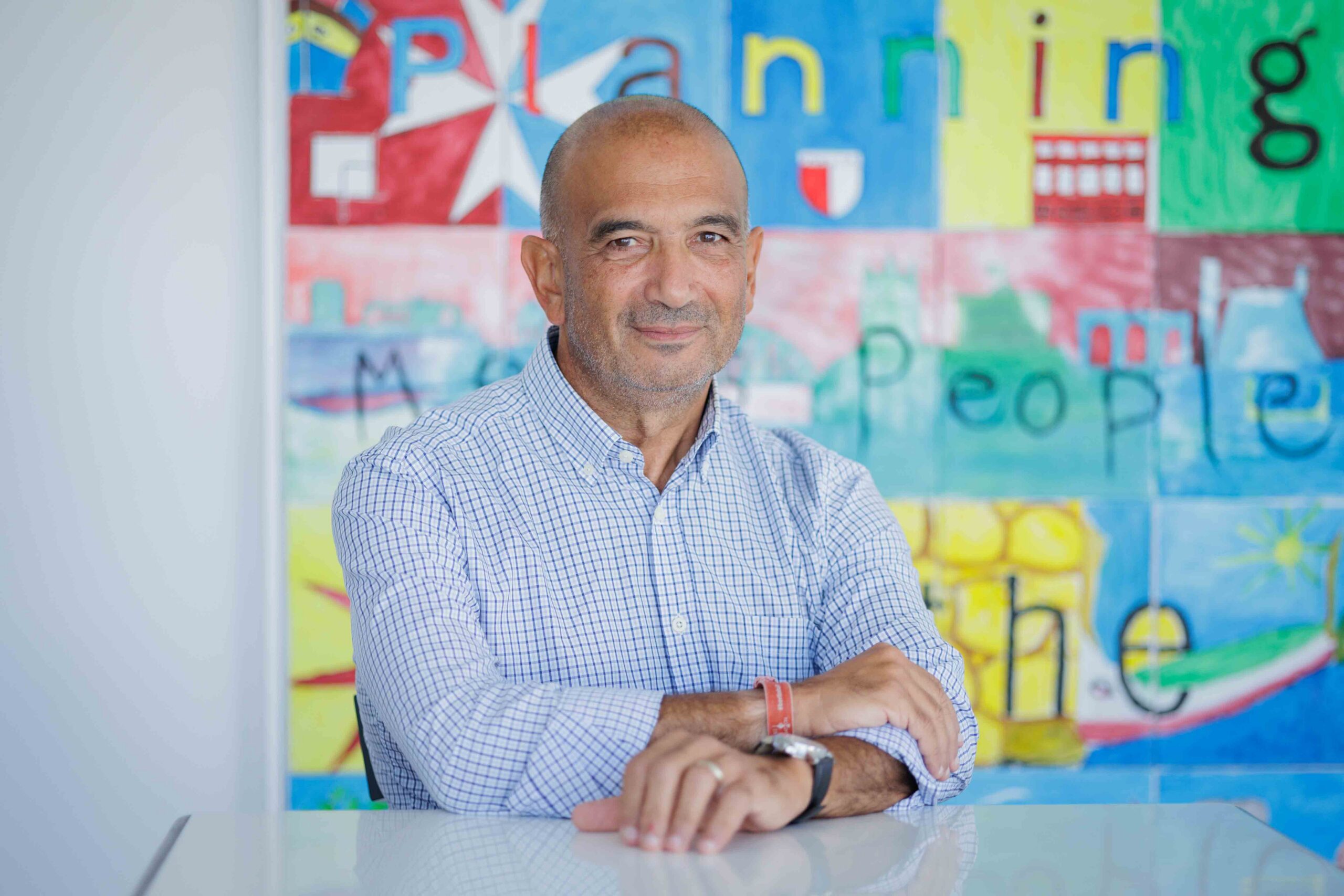
Planning Malta’s future, one shared map at a time
Ahead of the PA's annual conference, Joseph Gauci discusses integrated planning, 3D mapping and global insights for Malta’s future.
PA CEO resigns as director of his consultancy firm
The PA CEO remains the sole shareholder of the consultancy firm, under his legal name 'John Buttigieg'