

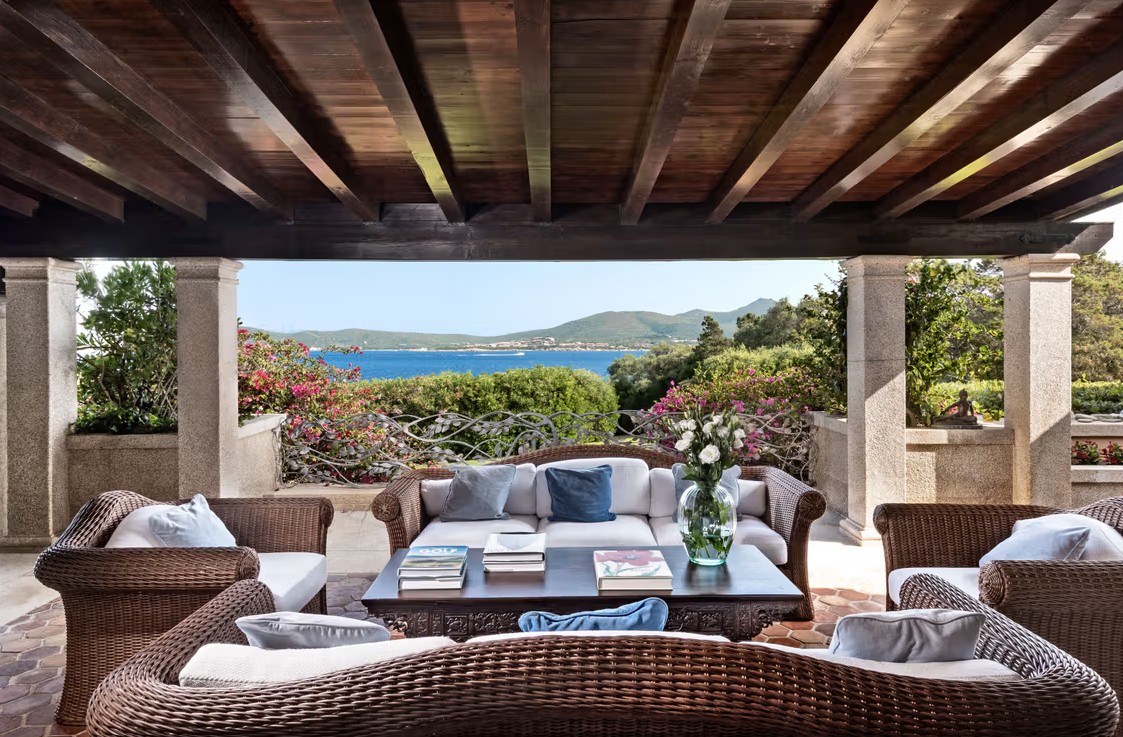
Villa Certosa, one of the late Italian ex-Prime Minister Silvio Berlusconi’s most prized properties, and forever associated with his infamous “bunga bunga” parties, is officially on the market for an astonishing €500 million.
The Sardinian estate covers some 120 hectares of coastal land and includes approximately 4,500 square meters of living space spread across numerous rooms, including 14 bedrooms.
Its lavish amenities include a private heliport, an underground nuclear-grade bunker, multiple swimming pools, an artificial volcano and even a man-made sea cave decorated with a Poseidon mosaic. The villa’s maintenance alone is said to cost tens of millions each year.
If the property sells at this price, it would rank as the most expensive residential home ever sold, according to the luxury real estate platform Mansion Global.
While the property became infamous as the backdrop to Mr Berlusconi’s hedonistic private life, allegedly hosting orgies and sex parties with escorts, it also played a role on the world stage.
Over the years, Villa Certosa welcomed high-profile guests such as Russian President Vladimir Putin, former US President George W. Bush, former UK Prime Minister Tony Blair and other international leaders for political meetings and private retreats.
According to Italian and international media, negotiations are already at an advanced stage, with a wealthy buyer from the Arabian Peninsula reportedly interested, though their identity remains undisclosed.
Featured Image:
Education system ‘stifles creativity’, Malta Employers’ chief says as association calls for ‘transformation’
Association's Director General says system is geared towards conformity

MFSA flags missing information in pension statements
Some pension statements omitted key details on investments, fees, contributions and account changes
Budget should support sustainable economic growth, promote financial stability – BOV
Maintaining a stable and predictable business environment, encouraging investment in productivity remain important, it said