

Malta’s reliance on tourism-driven economic growth came under scrutiny on Tuesday, as environmental activists, academics and industry experts warned that the sector’s expansion is placing increasing pressure on infrastructure, housing affordability and residents’ quality of life.
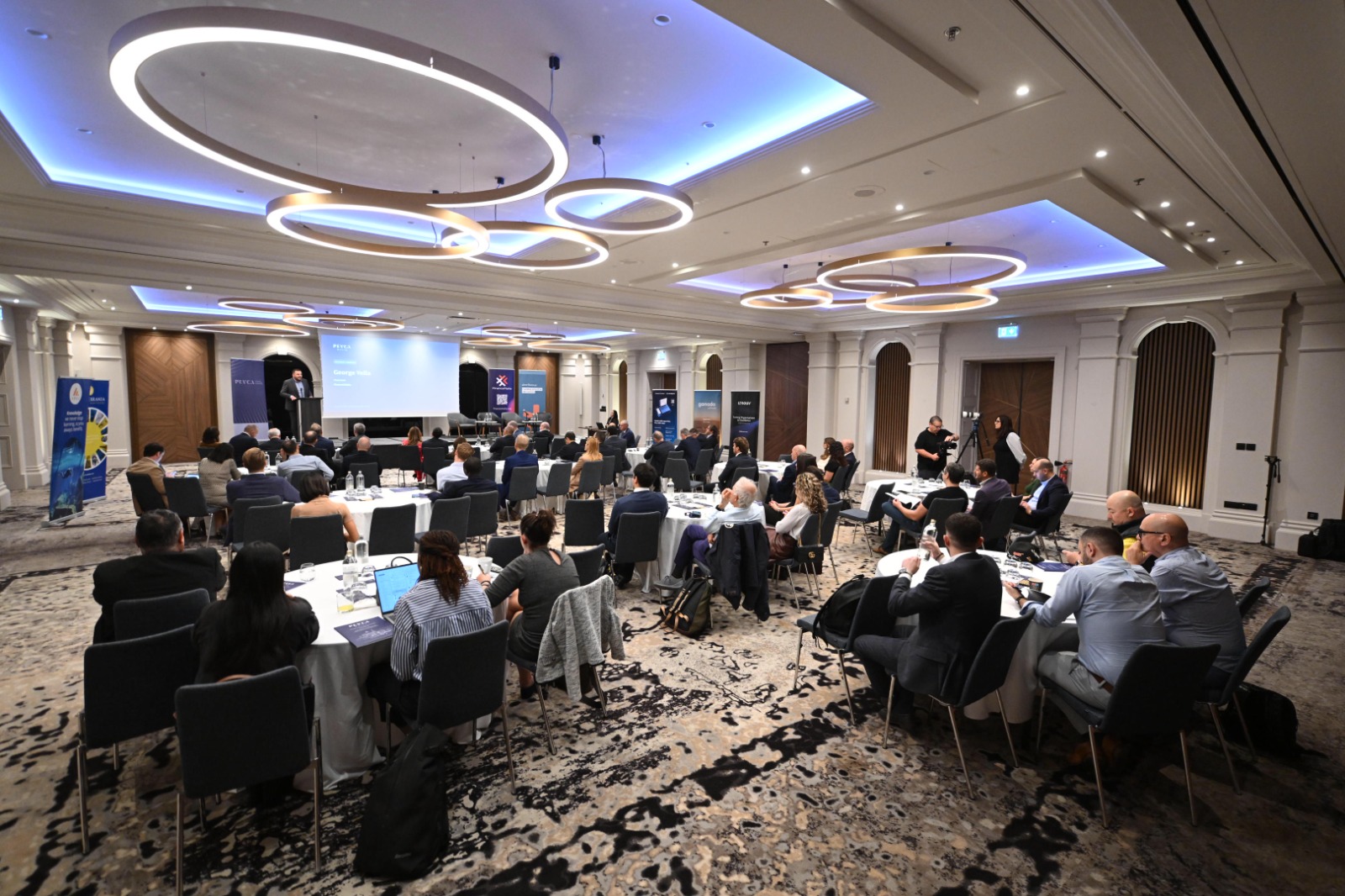
The concerns were raised during A Liveable Malta: Tourism Beyond Numbers, a national conference organised by Flimkien għal Ambjent Aħjar (FAA) at AX The Palace in Sliema on Tuesday (20th October).
The conference brought together representatives from environmental organisations, public health, tourism and civil society to discuss whether Malta’s current economic model is sustainable and how the country can balance tourism growth with the wellbeing of its residents.
Opening the conference, FAA Chairperson Charles Mercieca reflected on the organisation’s 20-year history, highlighting at least five policy and legal successes, including its recent efforts opposing Bills 133 and 134.
He also referred to National Statistics Office (NSO) figures showing that Malta welcomed approximately four million tourists in 2025, generating around €4 billion in tourism expenditure.
However, he questioned what this revenue means for a small country with several economic sectors, particularly when weighed against the pressures associated with accommodating growing visitor numbers.
Mr Mercieca also noted that Maltese residents spend approximately €1 billion annually on holidays abroad, highlighting the importance of examining tourism within the wider economy.
FAA Environment and Planning Officer Benjamin Mifsud Scicluna meanwhile drew attention to the relationship between property investment, housing affordability and quality of life.
While acknowledging that Malta's property market has become increasingly attractive to investors, he questioned how prospective first-time buyers are expected to enter the market.
He argued that housing affordability, combined with the prospect of better wages and living standards abroad, could encourage more residents to consider leaving Malta.
However, he acknowledged that housing pressures cannot be attributed solely to tourism.
‘Who is economic growth serving?’
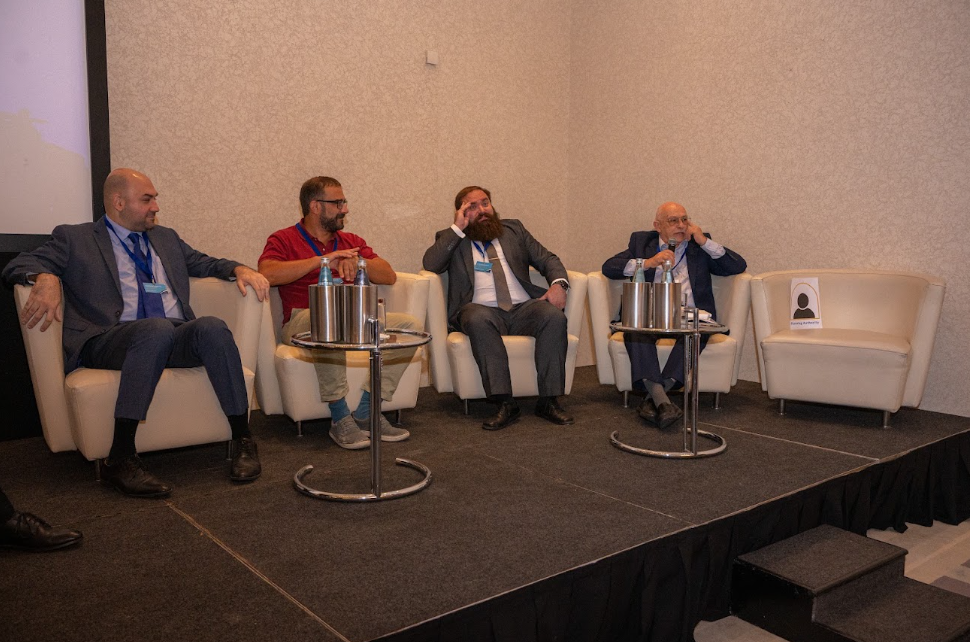
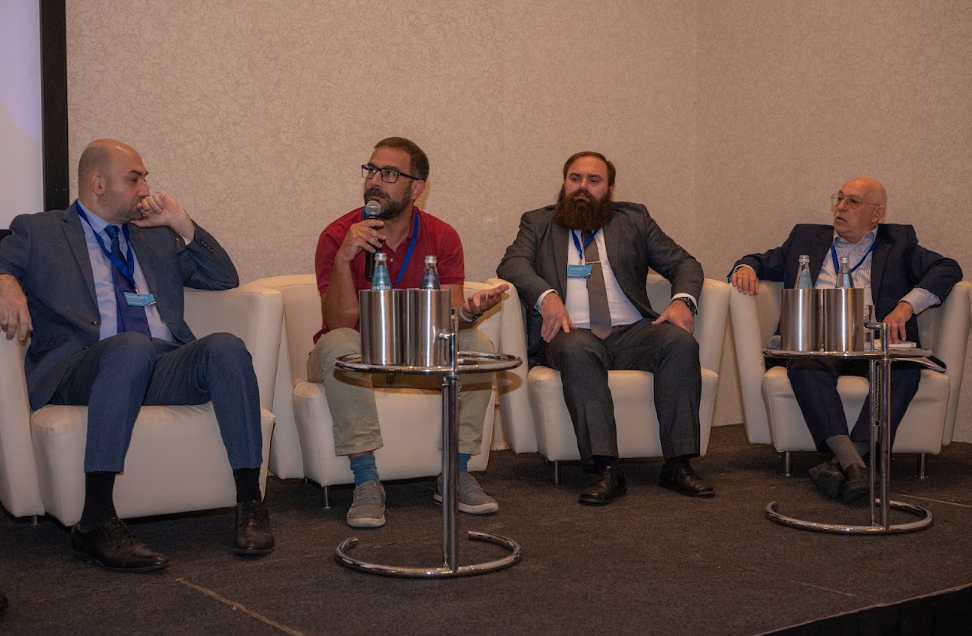
The conference's first panel, moderated by journalist Mark Laurence Zammit, examined the economic and social consequences of Malta's tourism model.
Panellists included Ramblers' Association President Ingram Bondin, Senior Lecturer in Public Health John Paul Cauchi, aviation and tourism consultant Dr Alfred Quintano, and lawyer and Moviment Azzjoni Soċjali President Edric Micallef Figallo.
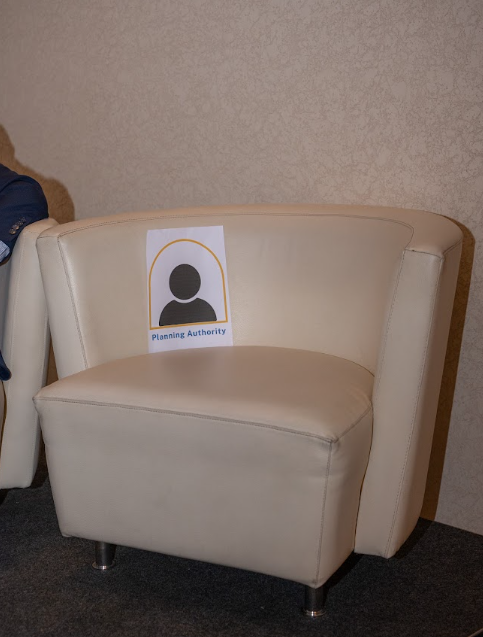
Representatives from the Planning Authority (PA) and Malta Tourism Authority (MTA) were also invited to participate. However, neither authority was represented at the discussion, with organisers stating that the MTA had declined its invitation.
Mr Bondin questioned whether the benefits of Malta's economic expansion were being distributed fairly across society.
"Who is economic growth serving?" he asked, arguing that while businesses were generating profits, the wider population was bearing many of the associated environmental and social costs.
He also questioned whether tourism continued to deliver the same employment benefits to Maltese workers, given the sector's increasing reliance on foreign labour.
According to Mr Bondin, businesses seeking to reduce operating costs through imported labour were contributing to wider pressures on infrastructure and public services.
When Mr Zammit pointed out that businesses frequently cite shortages of available local workers, Mr Bondin questioned whether the remuneration being offered was sufficient to attract Maltese employees.
He argued that discussions about labour shortages should also consider wages and working conditions rather than focusing exclusively on recruitment from overseas.
‘We are bearing the costs of an unregulated economy’
Dr Cauchi focused on the consequences of population density and tourism activity for public health, transport and everyday life.
Drawing on his own experience travelling between Malta and Gozo, he described overcrowded buses and ferry services, including a journey from Valletta to St Julian's that took approximately 45 minutes.
He argued that such experiences illustrate the pressures being placed on public infrastructure by Malta's current economic model.
Dr Cauchi also questioned whether overcrowding was diminishing the experience for tourists themselves, referring to the large numbers of visitors travelling to Comino.
Beyond transport, he raised concerns about waste management, the spread of pests and the reliability of electricity infrastructure, arguing that the cumulative effects of population growth were affecting residents' wellbeing.
"We are bearing the costs of an unregulated crazy economy," he said, questioning what measures should be taken to address the situation.
Dr Quintano similarly highlighted the impact of tourism on residents' daily lives, recounting the experience of a student living in Mdina who had expressed frustration with the number of tourists regularly knocking on his door.
According to Dr Quintano, the student complained that visitors frequently asked to use his bathroom or mistook his residence for a museum.
The example was raised to illustrate how tourism pressures can extend beyond traditional tourist attractions and affect residential communities.
Calls for stronger regulation and limits on growth
The discussion also explored whether Malta should introduce stronger limits on certain economic activities to protect its environment and quality of life.
Dr Micallef Figallo questioned how the country could better manage tourism growth, while expressing disappointment that representatives from the relevant public authorities were not present to contribute to the discussion.
Mr Zammit asked panellists where the balance should be drawn between reducing economic activity and avoiding potentially damaging consequences for businesses and employment.
Mr Bondin argued that responsibility for Malta's development model should not rest exclusively with Government, claiming that private-sector interests also influence policy decisions.
He criticised the direction of economic policy over the past decade, arguing that the expansion of certain industries had come at the expense of residents' wellbeing.
Referring to a meeting held with Prime Minister Robert Abela and Government representatives in 2023, Mr Bondin said environmental organisations had called for a reduction in the scale of certain industries but had failed to reach an agreement.
He maintained that Government had a responsibility to regulate industries whose activities generated negative consequences for society.
However, Mr Zammit challenged the suggestion that businesses were indifferent to Malta's wellbeing, arguing that continued environmental degradation could ultimately undermine the tourism sector's own commercial interests.
If Malta became less attractive as a destination, he suggested, businesses dependent on tourism would also suffer.
Dr Cauchi meanwhile challenged the assumption that gross domestic product (GDP) must continue growing indefinitely.
He cited the Ħal Saflieni Hypogeum as an example of a site where visitor numbers have been restricted to protect its long-term preservation, despite the potential to generate additional revenue by admitting more tourists.
He argued that similar considerations could inform wider economic policymaking, particularly when growth threatens the environmental and cultural assets on which tourism depends.
Mr Bondin also rejected the suggestion that Maltese residents prioritise financial gain above other considerations, arguing that planning policies and economic incentives should better reflect the interests of the wider population.
He warned that public opposition to the current development model was likely to continue unless meaningful changes were introduced.
The discussion highlighted differing views on the extent to which Malta should limit economic expansion, but a recurring concern among panellists was whether existing policies adequately account for the social, environmental and infrastructural costs of tourism.
Featured Image:
Shaun Cardona
Planning Malta’s future, one shared map at a time
Ahead of the PA's annual conference, Joseph Gauci discusses integrated planning, 3D mapping and global insights for Malta’s future.
PA CEO resigns as director of his consultancy firm
The PA CEO remains the sole shareholder of the consultancy firm, under his legal name 'John Buttigieg'
Maltese innovation leaders propose tax incentives for environmentally responsible commuters
The proposal was one of five proposed by stakeholders at a Sustainable Mobility Mixer