


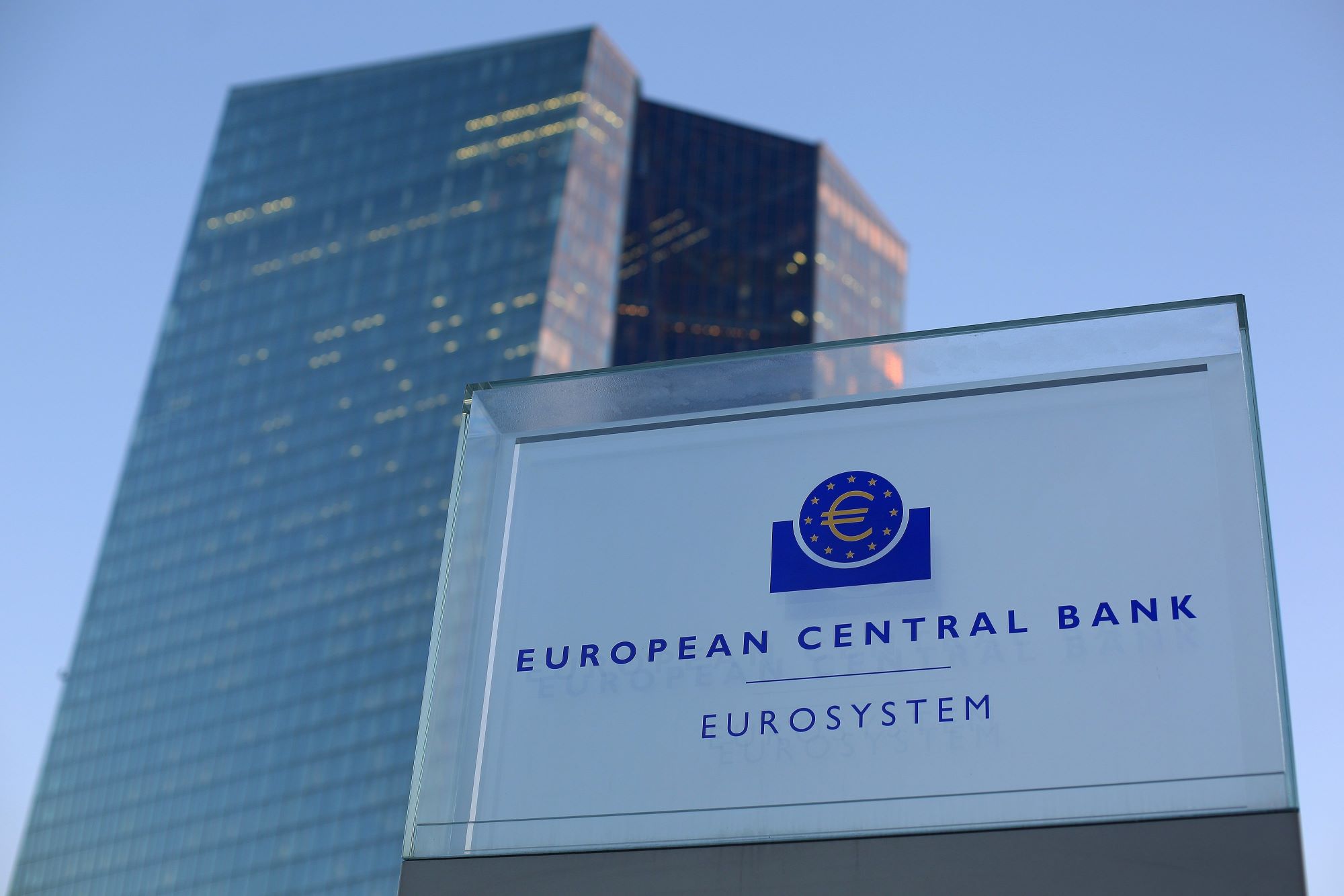
The European Central Bank has not found a single directly supervised European bank that is even close to meeting expectations on managing climate and environmental (C&E) risks.
In a scathing report, published on Monday, the ECB’s first-ever large-scale assessment on how European banks are adjusting their practices to manage climate and environmental risks concludes that banks have taken initial steps towards incorporating climate-related risks, but none is close to meeting all supervisory expectations.
The analysis covered 112 banks directly supervised by the ECB (as opposed to national financial supervisory authorities) with combined assets of €24 trillion.
Half of the assessed banks expect climate and environmental risks to have a material impact on their risk profile in the next three to five years, with credit, operational and business model risk most affected.
Notably, all the banks which judged that they are not exposed to climate-related risks had significant shortcomings in their assessment of the risks.
The report acknowledged that, in general, banks have made efforts to meet ECB expectations regarding management bodies, risk appetite and operational risk management.
However, they lag behind in areas such as internal reporting, market and liquidity risk management, and stress testing.
For example, half of banks have not planned concrete action to integrate climate and environmental risks into their business strategies, and less than one-fifth have developed key risk indicators to monitor.
Almost all banks have developed plans to improve their practices. However, the quality of these plans varies considerably, and progress is too slow.
Only one-third of banks have plans in place that are at least broadly adequate, and half won’t have completed implementation of their plans, in line with the expectations set out in the November 2020 ECB Guide on C&E risks, by the end of 2022.
In its assessment, the ECB also identified a set of good practices. Two-thirds of banks have made meaningful progress in integrating climate-related risks into their credit risk management, through measures such as enhanced due diligence procedures or new phasing-out criteria to limit financing activities highly exposed to climate-related risks.
Likewise, banks are starting to assess energy label certifications when evaluating real estate collateral, although most don’t yet include the results in their lending and monitoring practices.
The ECB sent individual feedback letters to the banks, calling on them to address their shortcomings. In some cases, banks will receive a qualitative requirement as part of the Supervisory Review and Evaluation Process (SREP).
The ECB is committed to continuing its supervisory dialogue with banks and will gradually integrate climate and environmental risk into its SREP methodology. This will eventually influence Pillar 2 capital requirements.
Supervisors are also currently investigating banks’ climate and environmental risk disclosures. The ECB will publish its findings in an updated report on climate and environmental disclosures in the first quarter of 2022, together with individual feedback to the banks.
As a next step, the ECB will conduct a full review of how prepared banks are to manage climate and environmental risks, with deep dives into their incorporation into strategy, governance, and risk management.
The review will take place in the first half of 2022, in tandem with the ECB’s supervisory stress test on climate-related risks. Banks will receive a request for information towards the end of 2021.


The financial engine behind international trade
BOV recognised as Malta's Best Trade Finance Bank 2026. Joseph Rodgers explains how the Bank helps businesses trade with confidence

Global wealth management firm Apollo in Malta to talk about private wealth
The global wealth management company has $1 trillion AUM and recently joined as a member of PEVCA Malta

BOV strengthens business banking through integration and client focus
BOV Chief Commercial Officer Simon Grech explains how consolidating operations at The Quad has strengthened the bank’s offering to businesses