


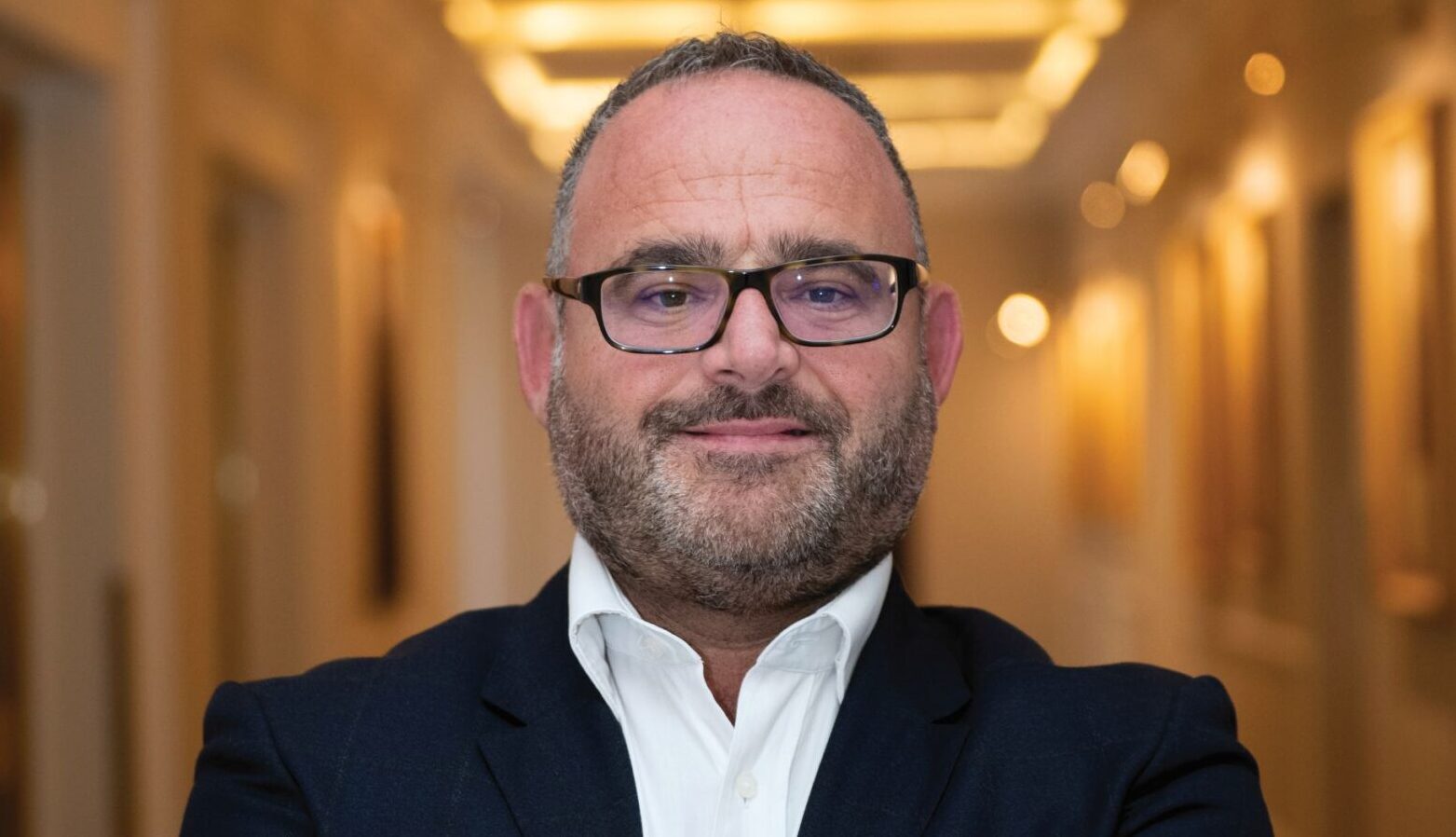
Job flexibility, in terms of whether employees are offered flexible hours or remote working for example, should be left up to the employer, the Director General of the Malta Employers Association, Kevin J. Borg, told BusinessNow.mt.
Prime Minister Robert Abela recently pledged to initiate discussions with the social partners on granting workers the option to request compressed workweeks, flexible hours or remote working. “We will also support employers whose staff opt for these arrangements by providing aid for each worker who shifts to remote working,” the Prime Minister added.
Mr Borg was asked by this newsroom about more family friendly measures and leave proposals being discussed.
Specifically asked whether the aforementioned points mentioned by the Prime Minister are doable, he said “yes flexibility is one of the major factors that employees look for when settling in their jobs.”
Employees are always on the lookout for more flexibility, or more opportunities that can give them more flexibility, he explains.
He said that a recent survey issued by his association found that 76 per cent of their members said they already provide flexible work arrangements of some kind to their employees, and this is because they want to make sure that they can retain the services of their employees. Employees are the most valuable resources for a company, he said.
“There are certainly not enough workers to go around, as we all know. But the flip side of that is that not every job, due to the nature of certain work, can be done from home.”
He said that 40 per cent of the association’s members said in the survey that 10 per cent of their employees cannot work from home due to the nature of their work.
“There is very limited discussion that can be had on work which cannot be done remotely,” Mr Borg said.
“Otherwise we believe that flexibility is something that must be left up to the employer, based on the realities that a company faces, because no two companies are the same. We would rather that decisions be taken voluntarily by the companies.”
Asked about the idea of a compressed week for those who cannot work from home, and the government offering to support businesses in the initiative, Mr Borg said that even funding would not be enough, because the company is going to end up without an employee at times.
“So with money, yes, on paper the company can get an alternative worker. But as we all know, alternative workers are very hard to find.”
He also said that there is going to be quite a disruption to employers by increasing leave entitlements, “be it for maternity or any other sort of entitlement.”
Among other things, both the Labour and Nationalist Parties during the election campaign pledged to give mothers six months of maternity leave while doubling paternity leave to a month.
According to Eurostat, Malta had the lowest fertility rate at 1.01 live births per woman in 2024. Mr Borg was questioned as to whether the initiatives are the way forward to entice couples to have more children.
“Yes. The birth rate issue is not, strictly speaking, a Malta Employers issue to solve. But having said that, we have taken the lead in initiating a national discussion, even going back to three years ago through a conference that we held in Parliament.”
He said that the association is concerned about the long-term effects of the low birth rate, adding that the association believes that leave entitlements could help in stimulating the birth rate.
“However, there should be a holistic plan by the authorities, by the political parties. Hopefully there would be bipartisan agreement on this plan, where every stakeholder – the employer, the employee and the government – would take responsibility of part of the burden to solve this issue.”
When granting more leave to a worker, the employer through the funding they would receive as compensation, would need to employ another person to fill in, otherwise productivity will suffer, he said. “That could endanger business continuity.”
He said that in all likelihood, the person a business would employ would be a foreign worker due to the lack of workers on the islands, “which would increase the demand for imported labour,” adding to the overpopulation issue.
“So we need to think about the whole complex situation we face with this issue.”
Malta’s electricity supply rises 3.2% in 2025 as demand also increases
The highest monthly demand was recorded in July, at 637 MW, followed by August at 585 MW
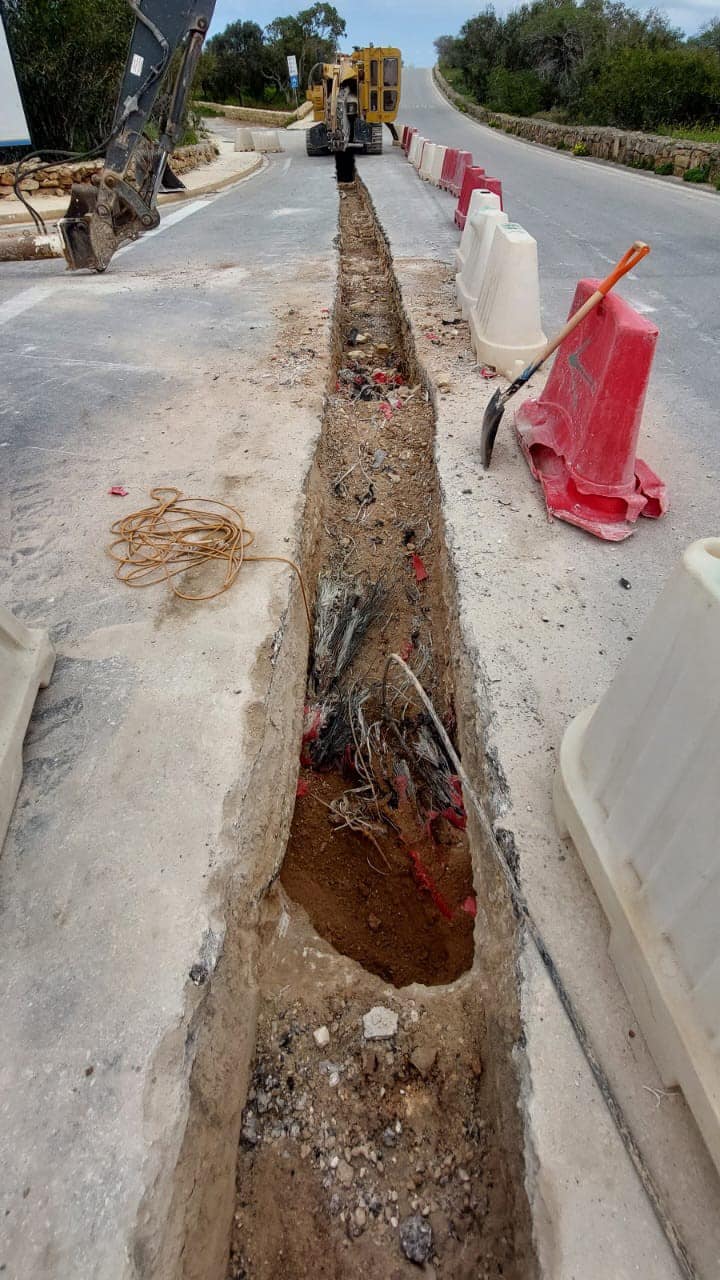
‘Reliable energy is essential health infrastructure’ – association calls for independent review after grid failures
Electricity is not merely a household convenience or business requirement, association says
More planning appeals filed in Sliema than anywhere else in Malta
St Julian’s and St Paul’s Bay followed Sliema with 32 third-party appeals each during a six-year period