



Malta recorded one of the highest job vacancy rates in the European Union during the first quarter of 2026, according to the latest data from Eurostat.
A job vacancy rate measures the proportion of positions that employers are actively seeking to fill relative to the total number of jobs in the economy.
A higher vacancy rate generally signals strong demand for workers and reflects business expansion and economic growth. At the same time, it may also point to labour shortages or skill gaps, where employers struggle to recruit suitably qualified candidates. As such, the indicator is widely used to assess the strength of the labour market and the ease with which businesses can fill vacancies.
With a job vacancy rate of 3.3 per cent, Malta ranked third among EU member states, behind only the Netherlands (4.0 per cent) and Belgium (3.4 per cent). Austria followed with 3.1 per cent, while Cyprus rounded out the top five at 2.8 per cent.
The EU average stood at 2.1 per cent, meaning Malta's vacancy rate was more than one percentage point above the bloc's overall level.
The latest figures complement recent assessments by international credit rating agencies, which have cited Malta's resilient labour market as one of the country's economic strengths.
Last month, S&P Global Ratings reaffirmed Malta's 'A-/A-2' sovereign credit ratings with a stable outlook, highlighting the country's economic resilience despite geopolitical uncertainty and weaker global growth prospects. The agency said Malta's solid economic fundamentals and improving public finances position it well to withstand external shocks.
Earlier this year, Scope Ratings also reaffirmed Malta's A+ sovereign credit rating with a stable outlook, pointing to robust domestic demand, continued economic growth and a resilient labour market. Morningstar DBRS likewise maintained Malta's A (high) sovereign rating with a stable outlook, citing the country's strong economic performance and improving fiscal position.

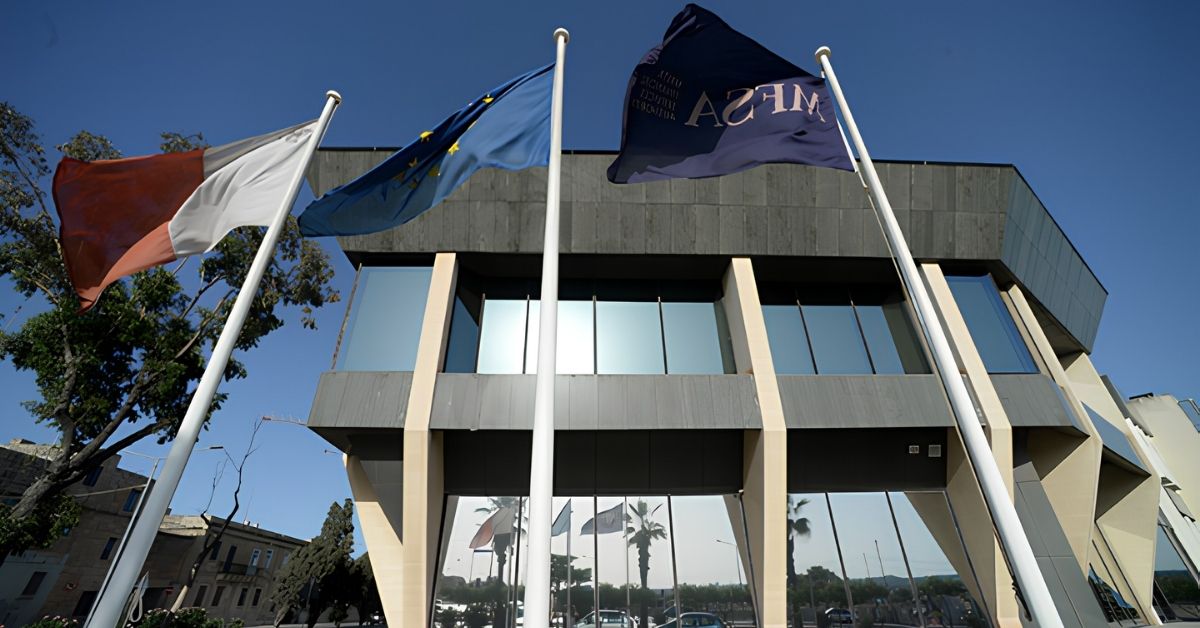
Pushy insurance salesmen exposed in MFSA mystery shopping exercise
The exercise involved 17 mystery shopping interactions and covered insurance intermediaries
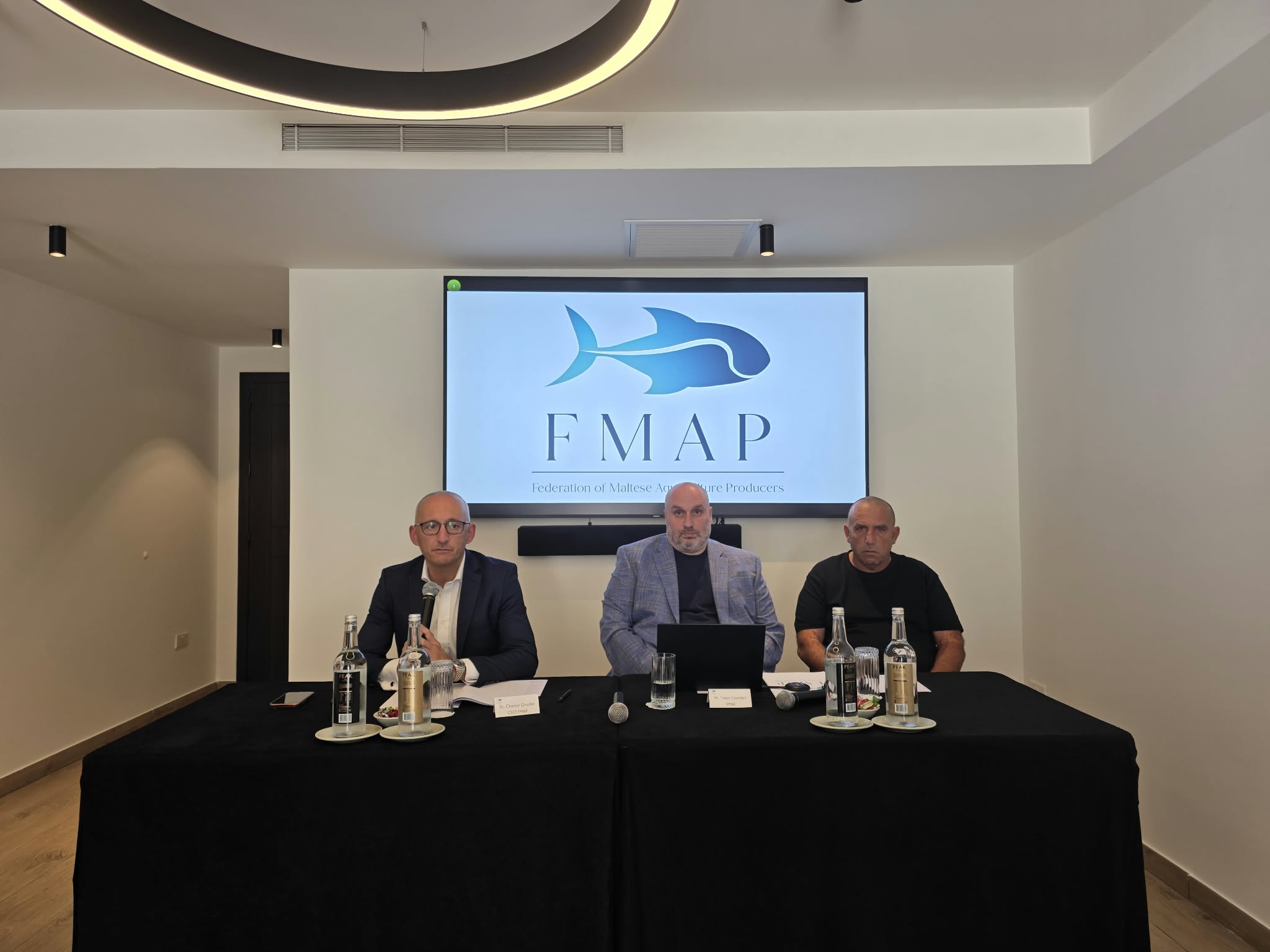
Aquaculture federation CEO hails cleanup campaign a success as 25,500 litres of oily liquid collected
Charlon Gouder said the industry had registered a notable improvement in coastal water conditions this summer
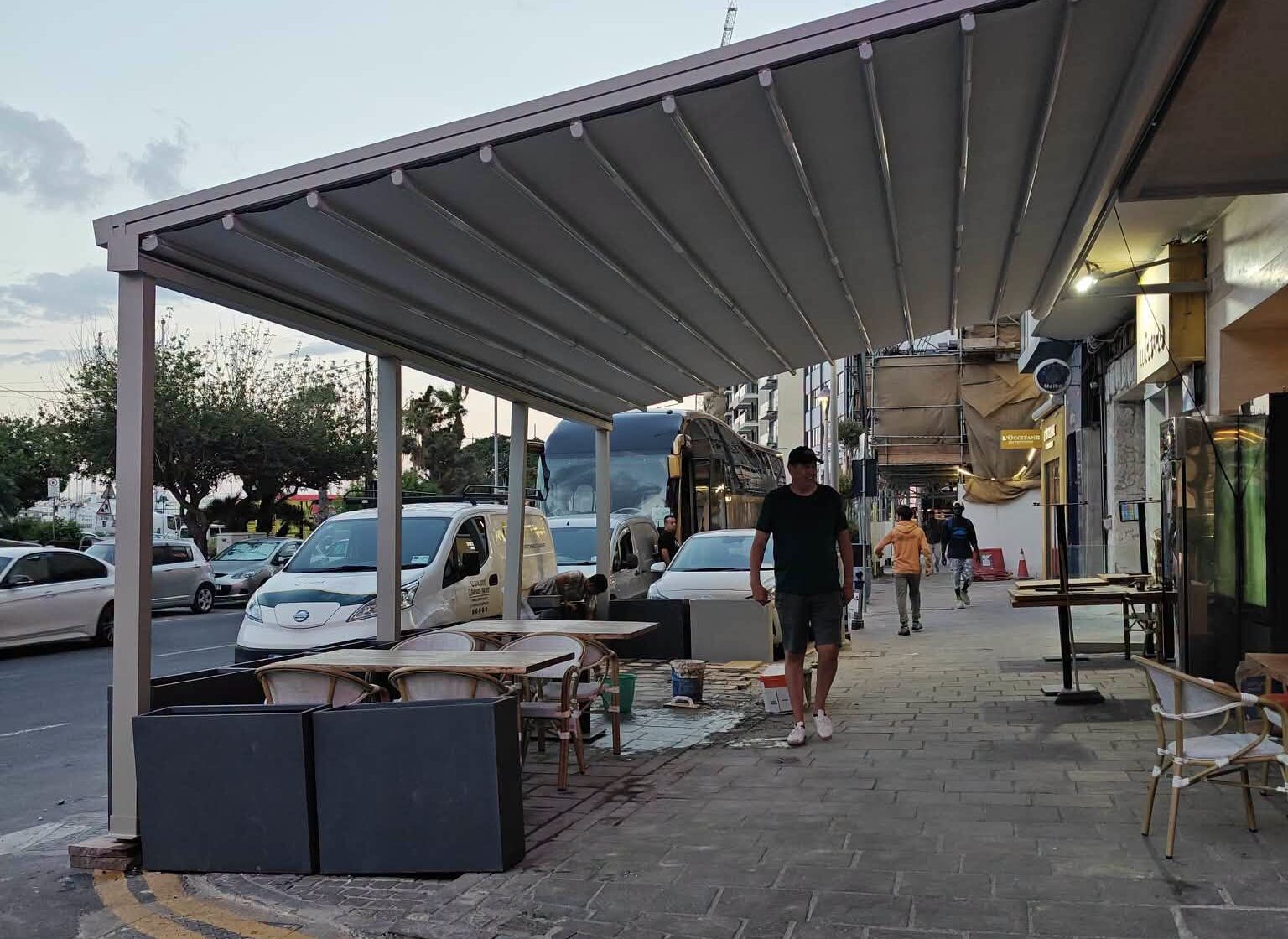
PA orders immediate removal of unauthorised structure outside Piccolo Padre in Sliema
The restaurant is owned by Carlo Stivala and is the first expansion since it was set up in Balluta