


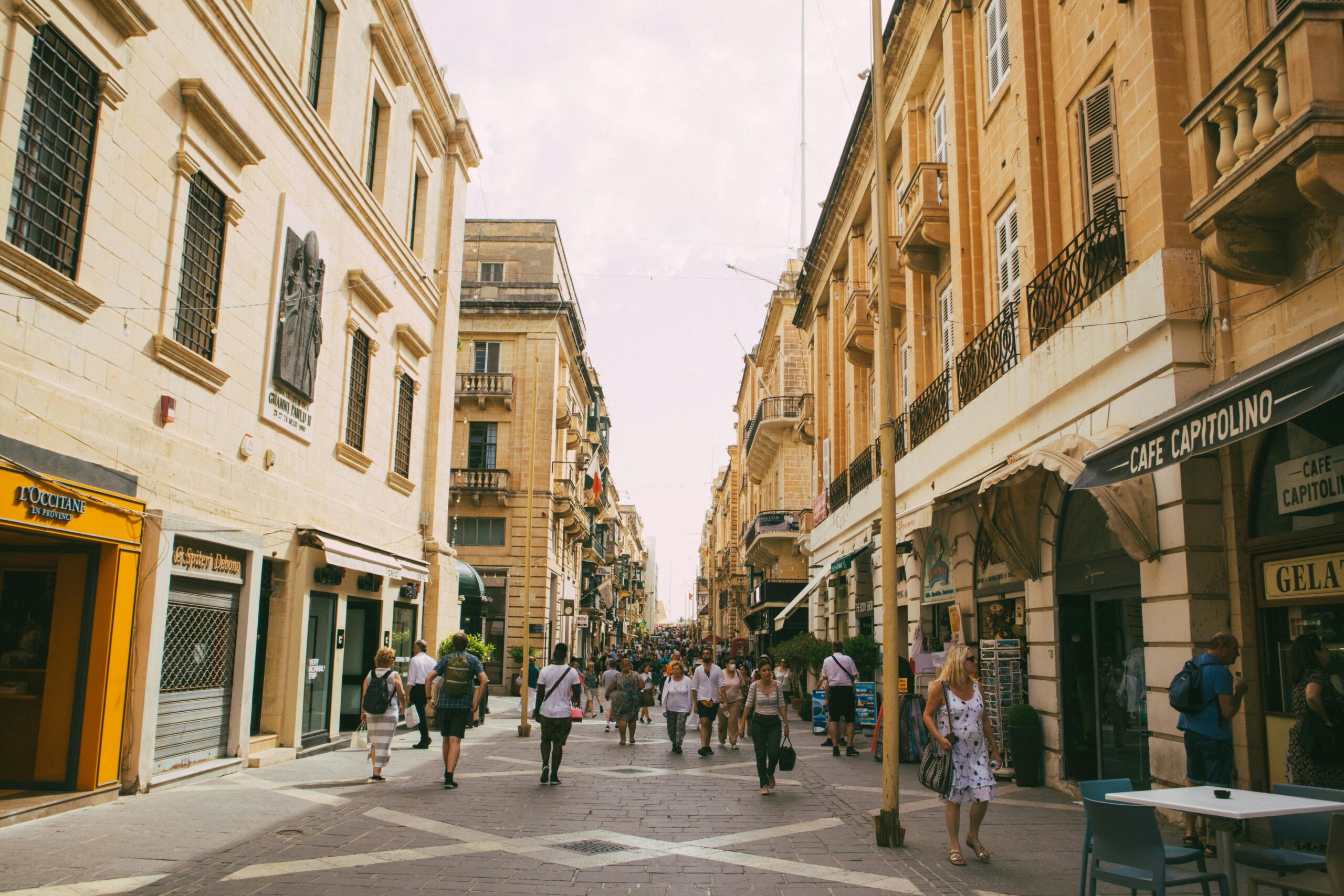
The total population of Malta and Gozo at the end of 2024 stood at 574,250, up by 1.9 per cent when compared to the previous year, according to fresh figures released by the NSO.
The population increase in 2024 was driven by a total net migration of 10,614 persons, with the net of non-EU citizens making up 76.6 per cent of the total net migrants in 2024.
Natural increase dropped by 55.3 per cent when compared to the previous year, the result of a decline in resident live births and an increase in resident deaths.
Malta’s fertility rates are some of the lowest in the EU, and with an ageing population – the island nation will have a workforce composed of 70 per cent foreign workers by 2050.
Malta’s workforce is also facing mounting pressure from a demographic shift, as official data shows that the number of Maltese youths has dropped by around 15,000 over the past decade.
As at end 2024, 53.1 per cent of the total resident population was male. Persons under the age of 18 made up 14.5 per cent of the total population, while 18.4 per cent were aged 65 and over.

More than 50 startups collectively awarded €15 million in financial assistance
These businesses have created around 250 quality jobs, Government said

Insurers call for urgent clarity over EV disposal procedures while highlighting ‘practical difficulties’
Malta currently lacks suitable facilities for treating these batteries, association said

Working remotely abroad? Businesses warned of potential tax risks at Mobility Elite Summit
Working remotely abroad is not just a matter of finding a nice place