



Born as Malta prepared to join the European Union, the Malta Communications Authority has spent a quarter of a century turning EU alignment into meaningful influence. As Robert Mifsud, Chief of External Relations, explains, a small regulator can still make its voice heard where the big decisions are taken.
When the Malta Communications Authority was set up in 2001, Malta was preparing to join the European Union and faced the task of adopting a vast body of European legislation in the communications sector. The European dimension was embedded in the Authority’s foundations from the very start. Having been with the Authority for the past 11 years, Mr Mifsud has seen first-hand how its role and influence have grown over time.
“Apart from adopting the acquis communautaire, Malta had to establish an authority that was independent, both from the sector and from government. The telecommunications market at the time was still relatively underdeveloped, but the future looked extremely promising. Our remit covered telecoms, postal services and e-commerce.
Twenty-five years on, that work has resulted in a high level of compliance, better service for customers and a more competitive market. Today we are moving into an exciting new era with the regulation of online platforms. Until recently it was a relatively unregulated landscape, with no means of redress. The principle now is that what is illegal offline must also be illegal online,” Mr Mifsud explains.
That new remit has once again placed the Authority at the heart of Europe’s digital rulebook, in its role as Malta’s Digital Services Coordinator. “There are new rules coming in all the time,” Mr Mifsud notes.
“The Authority contributes its expertise to Government, and participates actively in its technical capacity in consultations involving the European Commission, the European Parliament and other international institutions. We always base our work on facts, and since we have no commercial objectives of our own, the information we bring to the table is evidence-based. We contribute to a number of European fora, and we also bring something quite particular to them: the unique perspective of a small market.”
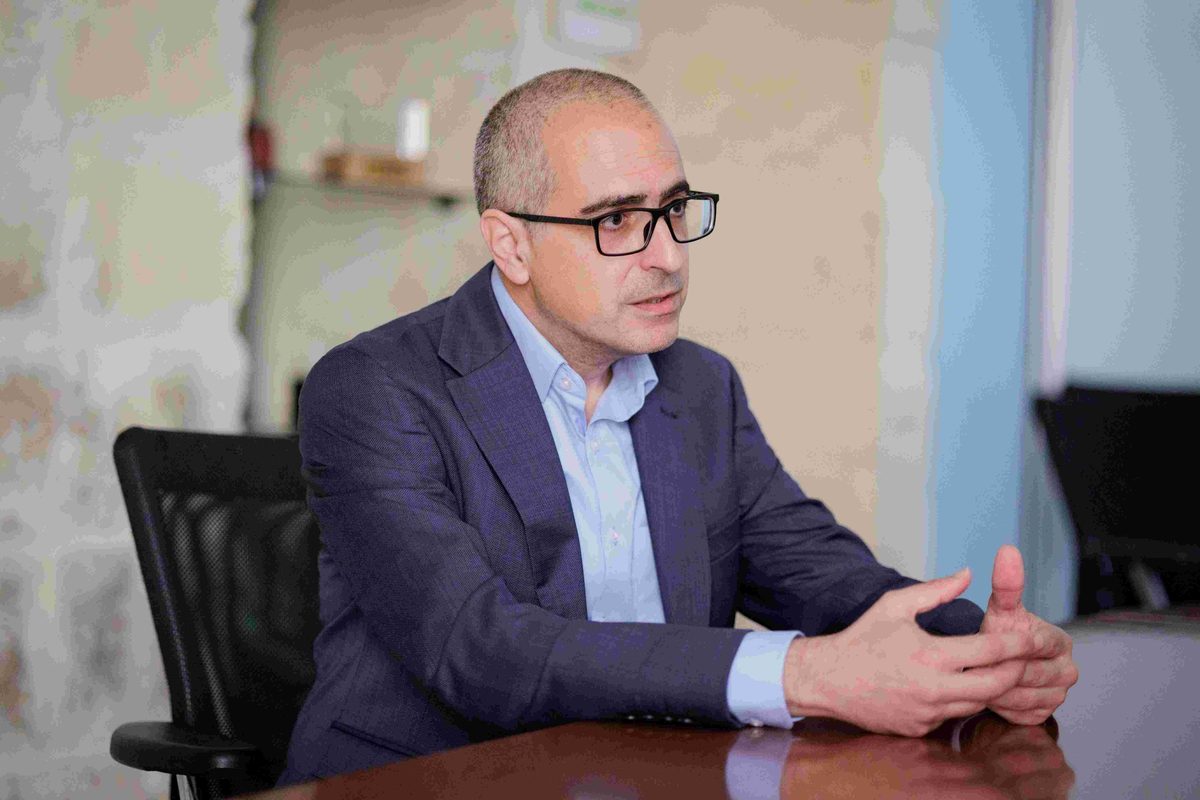
The nature of the Authority’s contribution has changed considerably over the past 25 years. “In the beginning, we were very much seeking assistance because we were building everything from the ground up. Today, we are far more involved in shaping discussions, and we are proud to see how countries preparing to join the European Union often seek our guidance. We are active contributors, and our people are recognised and entrusted with important roles within European fora. It is safe to say that we do punch above our weight, but that credibility comes from the quality of our work and from consistency.”
Mr Mifsud believes that Malta’s diminutive size can be turned into an advantage. “Being small gives us the ability to see the bigger picture more clearly. We are nimble, so gathering feedback from the sector, consumers and policymakers is relatively easy for us. The English language matters a great deal too, especially since Brexit, because the work of the Authority goes beyond knowing the subject thoroughly; it also requires communicating it flawlessly. Positions are published and translated into documents which working language is English, and for some countries that is genuinely an issue.”
For a small Member State, having a seat at the table carries considerable weight, and Mr Mifsud is all too aware of this. “We are constantly contributing to discussions to make sure that our particular interests are safeguarded. It is no secret that the EU can sometimes regulate with larger countries in mind, overlooking the interests of smaller Member States. It is our duty to make Malta’s realities heard in European fora.”
To fulfil this role, the MCA is particularly active in three bodies. The Body of European Regulators for Electronic Communications (BEREC) issues best practices, guidelines and opinions that inform policy and regulation; the European Regulators Group for Postal Services (ERGP) supports the European Commission on postal regulation; and the European Board for Digital Services coordinates national regulators and the Commission in the implementation of digital services regulation.

The results of this work reach Maltese consumers and businesses, directly affecting their daily lives. “Take number portability, where there are strict rules ensuring that if you want to switch from one operator to another, your old service provider is not allowed to contact you to talk you out of it,” he says. “Rules developed through these European discussions translate into better-quality services for consumers.
The same applies to the Roam Like at Home principle, which means customers can pay domestic rates when roaming in other European countries. In the case of digital platforms, there was previously little recourse for users. Today, significant obligations apply to online service providers, including the duty to carry out risk assessments and put measures in place to minimise harm online. These rules apply to a wide range of services used every day by consumers, from social media platforms such as TikTok and Facebook to online marketplaces such as Amazon. Trusted flaggers play an important role here, particularly where minors are involved, and platforms are obliged to act,” Mr Mifsud explains.
The European dimension of the Authority’s work continues to evolve, with cybersecurity now firmly on the agenda. “Connectivity and digital infrastructure are increasingly being treated as strategic national assets, beyond questions of competition, with rules and measures in place to safeguard them. In the past, the regulator took a rather narrow economic view of the sector. Today, we also look at security of service, digital infrastructure and all the elements needed to guarantee continuity of service.”
Asked which milestone he holds particularly dear, Mr Mifsud recalls 2017 and Malta’s Presidency of the Council of the European Union. “There were a number of important dossiers on the table, including the review of the communications regulatory framework, a file on roaming and another on Wi-Fi, and Malta was in the driver’s seat, so expectations were very high. The MCA supported Government as technical adviser and played an active role in assisting the Presidency's work on these files. Malta ultimately managed to broker an agreement on wholesale roaming rates at a time when Northern and Southern European countries held divergent positions, paving the way for the launch of Roam Like at Home. We are proud to have contributed our expertise to a process that brought every country on board, and Malta did itself proud.”
The Authority has also hosted numerous meetings with its European counterparts. Most recently, in June, it welcomed representatives from 37 countries for a meeting focused on the postal sector.
The benefits, he stresses, flow both ways. “International engagement gives us a great deal in return. Our resources are limited, so we can tap into the resources and expertise of colleagues we consider friends. When the Commission identifies an issue, it often turns to networks of national regulators such as BEREC and ERGP for technical advice and support. As members of these groups, we work alongside our European counterparts, industry experts, and academics to help develop solutions and inform policy.”
“I never want us to lose sight of the fact that we are working towards outcomes, and that being technical alone is not enough. What matters is that the consumers benefit from high-quality and innovative services, delivered at fair and affordable prices,” Mr Mifsud concludes.
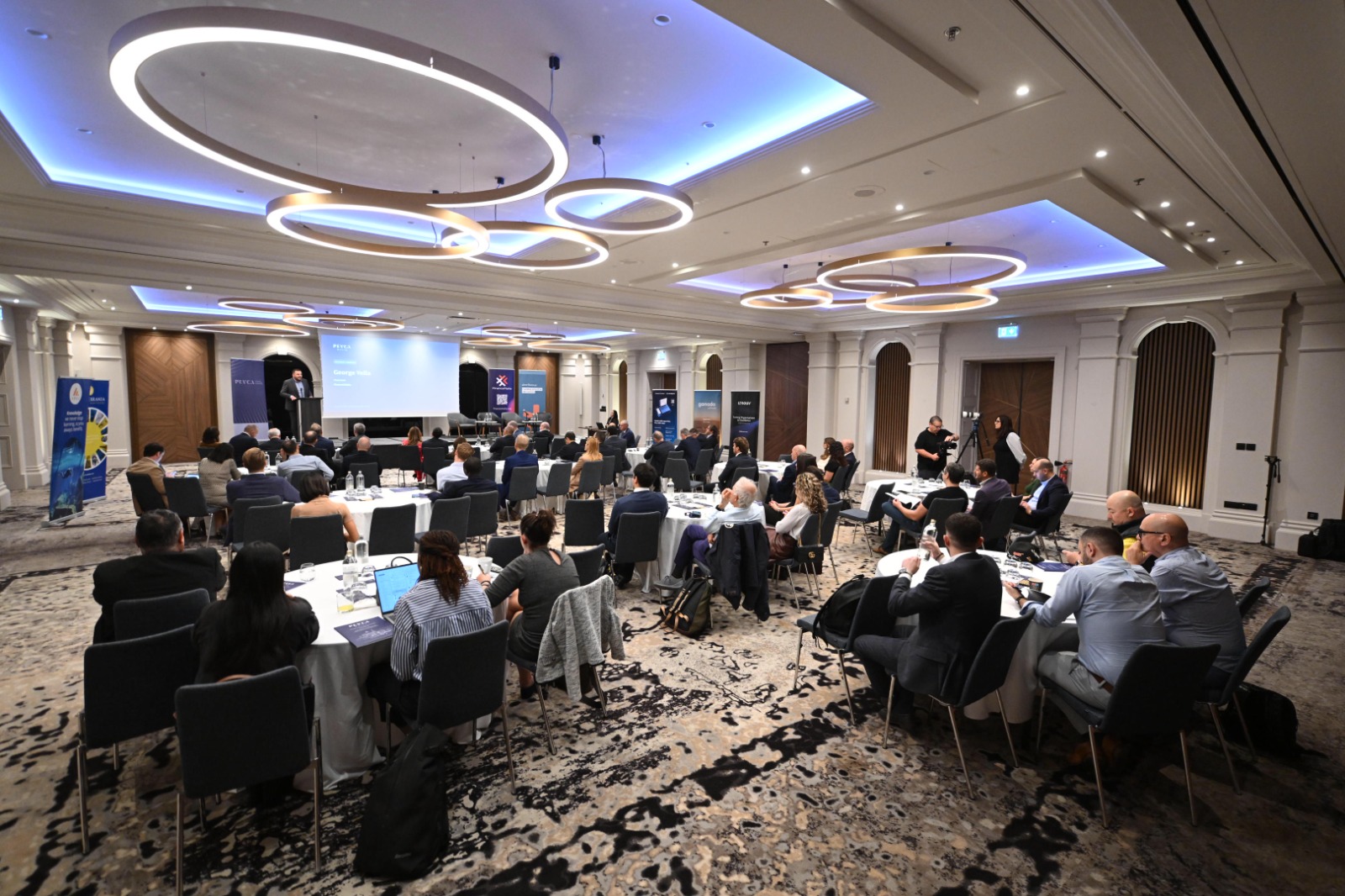

MDA backs capital investment, calls for long-term development vision
MDA noted the lack of concrete incentives for green building and measures specifically aimed at small and medium-sized developers

The Malta Chamber to discuss workplace harassment and gender-based violence
The session will address employers’ legal obligations to prevent workplace, sexual and gender-based harassment
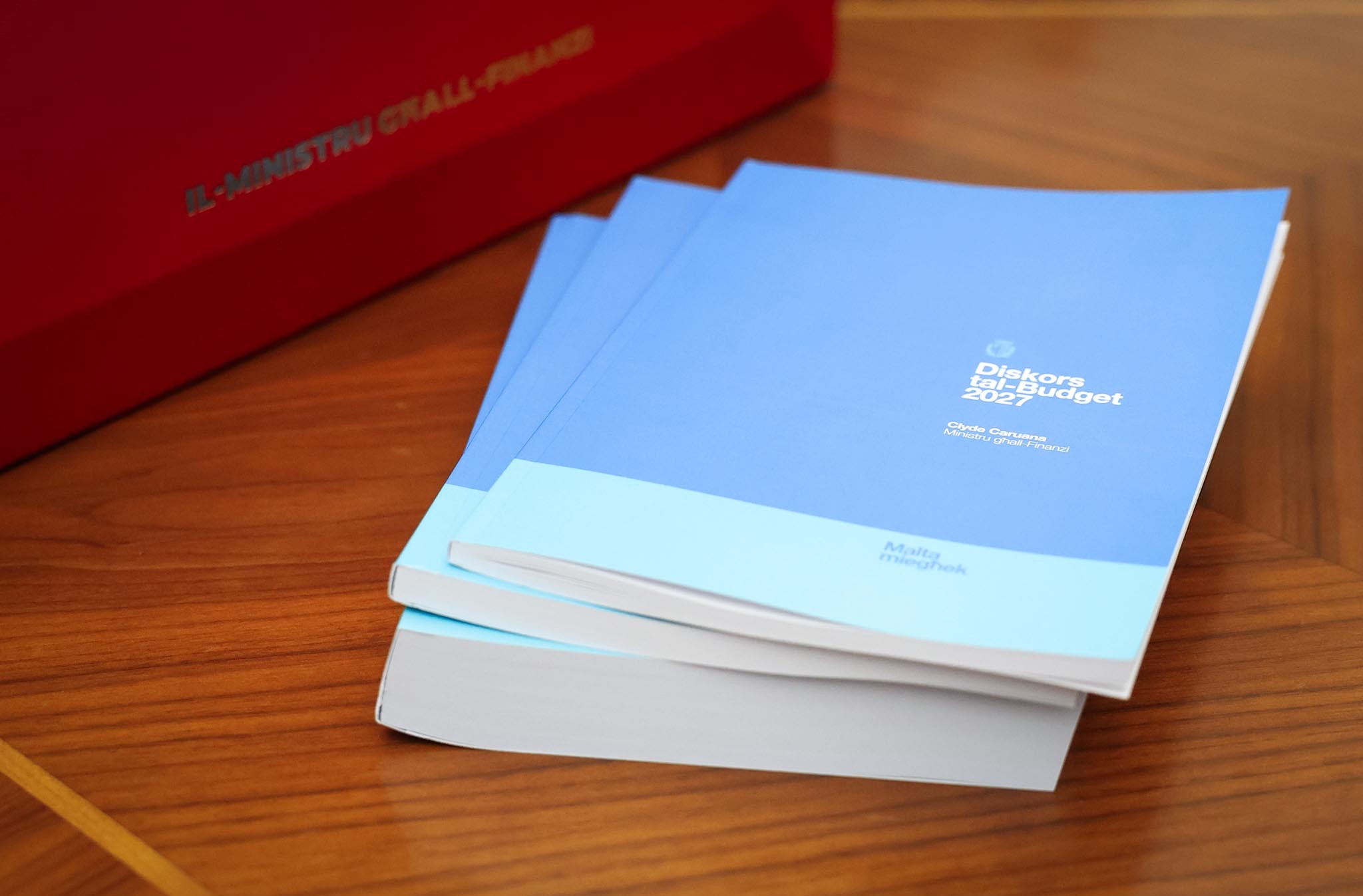
Malta’s business community reacts to Budget 2027
Mixed reactions to a budget with a raft of new taxes and fees targeting tourists and foreigners