


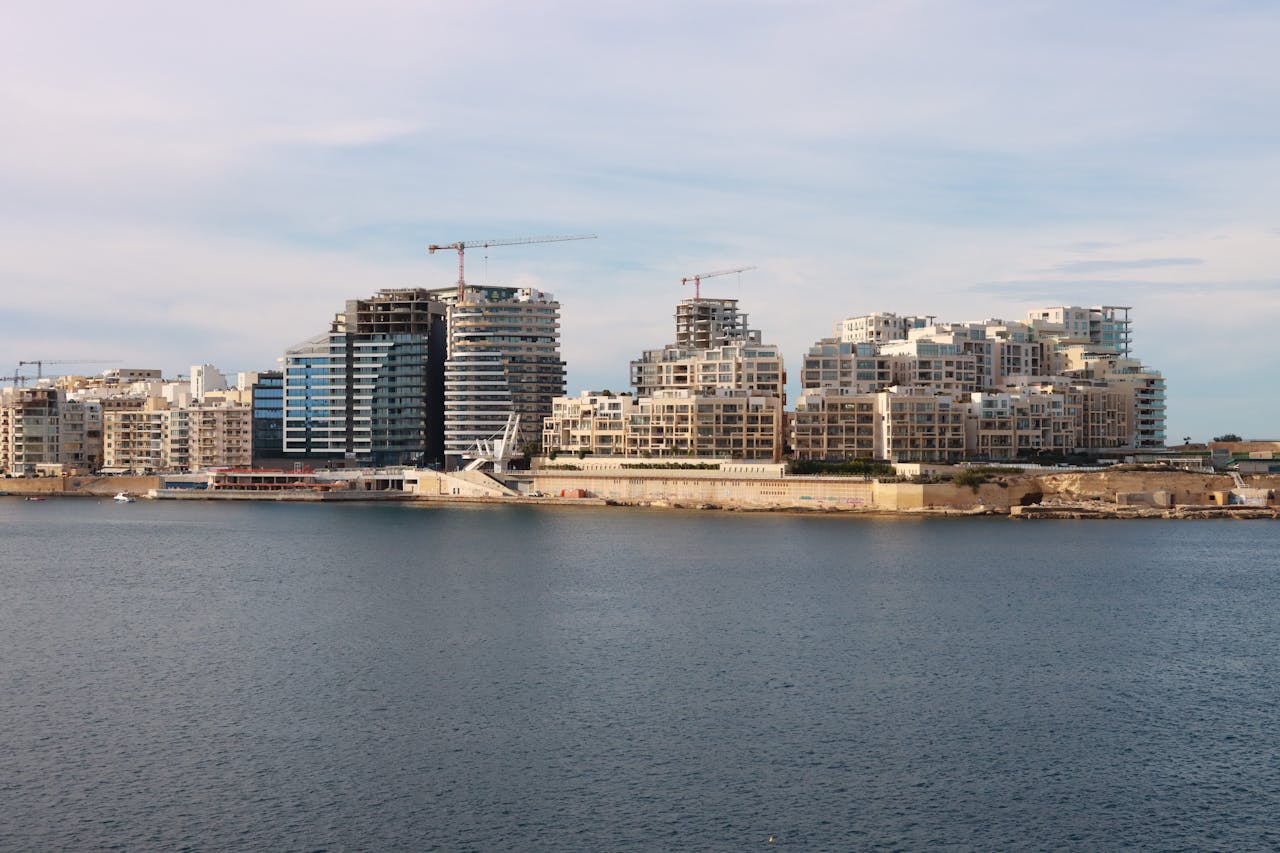
63.2 per cent of people in Malta live in under-occupied homes, the third highest percentage in the European Union, data collected by Eurostat reveals.
This is far higher than the EU average percentage of 33.4 per cent. Under-occupied homes refers to homes deemed too large for the needs of the household living in it, and Eurostat defines the classic cause as being older individuals or couples remaining in their home after their children have grown up and left.
The data comes as a bit of a surprise, given Malta’s size and population density. Malta recorded the highest population density in the EU (with 1, 817 persons per km²) in 2024.
The under-occupied homes figure for Malta, which is for the year 2025, is roughly the same as it was in 2024, but lower than 2023 when it stood at 69.2 per cent and 2022 when it was 72.3 per cent.
In the EU 27 states, Cyprus had the highest percentage of people with extra room in their homes (69.4 per cent) in 2025, followed by Ireland (66 per cent) and then Malta. All three are island nations.
On the other end of the table, only 8.1 per cent of people in romania lived in under-occupied dwellings, with the second and third lowest percentages being found in Latvia (10.5 per cent) and Greece (12.5 per cent).
As for the percentage of people living in overcrowded accommodation Cyprus (2.2 per cent), the Netherlands (4.1 per cent) and Malta (4.7 per cent), were the three EU countries with the lowest percentages. In Malta’s case, the percentage increased by 1 per cent from the previous year.
In the EU as a whole, 16.8 per cent of people lived in overcrowded accommodation, the data shows.
Related

Malta minimum-wage earners can afford 6% less food than five years ago
Malta recorded the steepest deterioration in the amount of food a minimum wage could buy
Minister Glenn Bedingfield does not rule out tougher on-the-spot fines for tourists
The on-the-spot fines were introduced back in July and generated €125,000
Delimara 4 trip causes brief power cut across Malta
Enemalta says power was fully restored at 10:50am